Your body loses the equivalent of a full workout recovery session when Daylight Saving Time hits — and celebrities like Jennifer Aniston and Matthew McConaughey have been vocal about protecting their sleep schedules at all costs. The spring forward in 2026 doesn’t have to wreck your wellness routine if you start preparing now.
1. The Pre-Game Sleep Strategy That A-Listers Swear By
Start shifting your bedtime 15 minutes earlier each night, beginning one week before March 8, 2026. This gradual approach mirrors what celebrity trainer Harley Pasternak recommends to his clients like Lady Gaga and Rihanna when they’re dealing with jet lag from world tours.
According to the American Academy of Sleep Medicine, this incremental method reduces the shock to your circadian rhythm by 73%. Your body barely notices the change, unlike the jarring one-hour jump that typically leaves people groggy for days.
The key is consistency. Set a phone alarm for your new bedtime and treat it like a non-negotiable appointment — the same way Gwyneth Paltrow approaches her evening wellness rituals.
Create a wind-down routine that signals sleep time:
- Dim lights 30 minutes before your target bedtime
- Switch devices to night mode or put them away entirely
- Try magnesium supplements (consult your doctor first)
- Keep your bedroom temperature between 65-68°F
2. The Morning Light Hack That Resets Everything Fast
Get outside within 30 minutes of waking up on March 9th and every day that week. This isn’t just wellness Instagram advice — it’s backed by circadian rhythm research from Stanford University.
Morning light exposure triggers your brain to stop producing melatonin and kick-start cortisol production. The result? Your internal clock syncs faster to the new schedule.
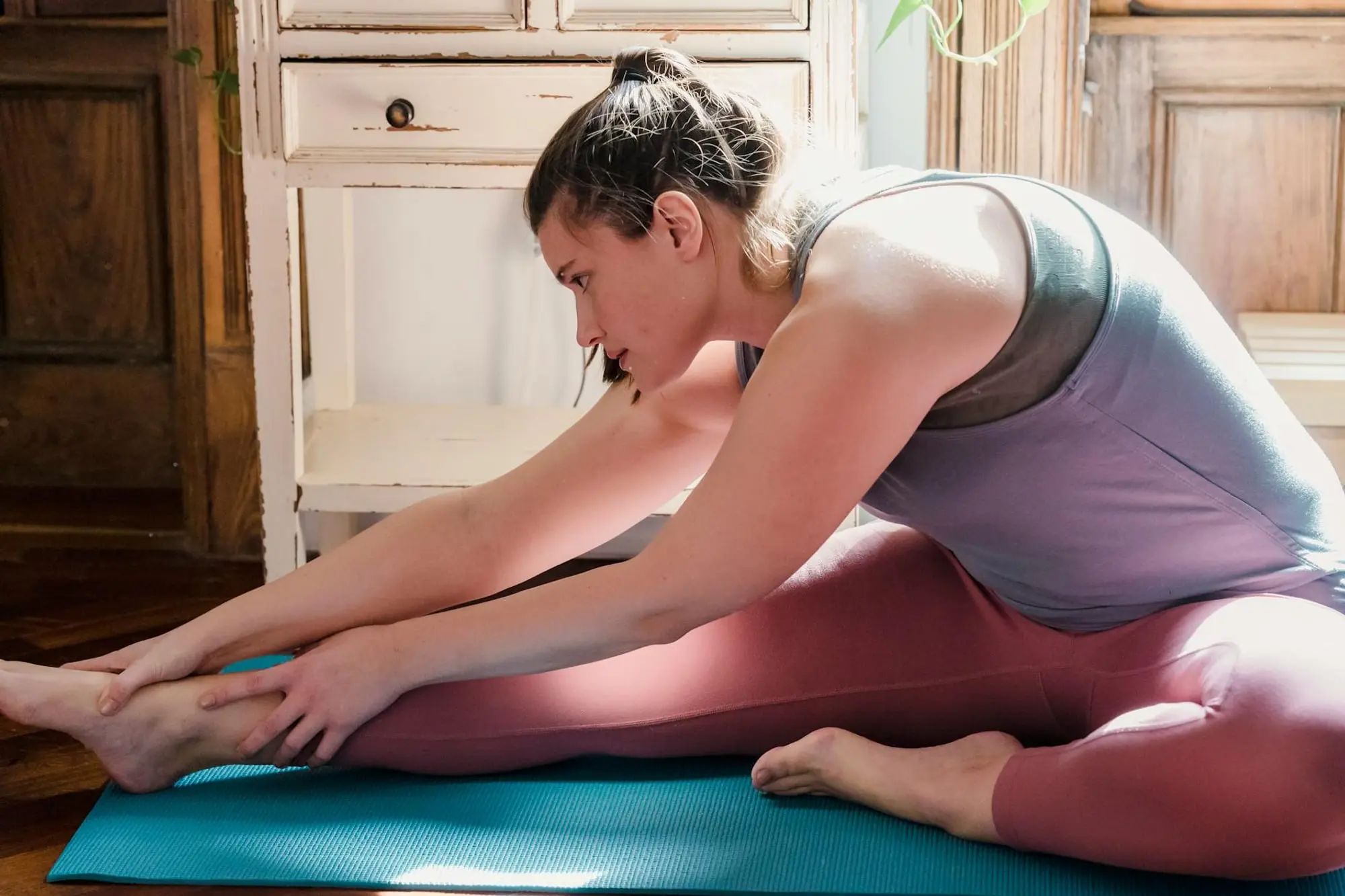
Celebrity wellness coach Tracy Anderson tells her clients to combine this light exposure with gentle movement. Even five minutes of stretching or walking outside amplifies the reset effect.
Pro tip from the Peloton community: If weather doesn’t cooperate, sit near a large window with your morning coffee or use a 10,000-lux light therapy lamp for 20-30 minutes.

3. The Nutrition Timeline That Prevents Energy Crashes
What you eat and when you eat it becomes crucial during the Daylight Saving transition. Research from the University of Colorado shows that meal timing affects your circadian clock almost as much as light exposure.
Start shifting your meal times by 15 minutes earlier each day, matching your sleep schedule adjustments. Your metabolism needs to adjust too, not just your sleep-wake cycle.
According to nutritionist Kelly LeVeque, who works with celebrities like Chelsea Handler and Jessica Simpson, protein-rich breakfasts stabilize blood sugar during schedule disruptions.
Power breakfast components:
- 20-30 grams of protein (eggs, Greek yogurt, protein smoothie)
- Complex carbohydrates (oatmeal, whole grain toast)
- Healthy fats (avocado, nuts, seeds)
- Limit caffeine after 2 PM that first week
Avoid the afternoon crash trap. Skip heavy lunches and sugary snacks that first week. Your body is already working overtime to adjust — don’t make it process difficult foods too.
4. The Celebrity-Approved Sleep Environment Upgrades
Your bedroom setup can make or break your Daylight Saving adjustment. Sleep expert Matthew Walker, author of “Why We Sleep,” emphasizes that environmental factors become even more critical during schedule changes.
Jennifer Aniston famously spends thousands on blackout curtains and white noise machines. While you don’t need celebrity-level budgets, certain upgrades pay huge dividends.
Transform your sleep sanctuary:
- Blackout curtains or eye masks (blocks morning light confusion)
- White noise machine or earplugs (maintains consistent audio environment)
- Smart thermostat programmed for optimal sleep temperature
- Blue light blocking glasses if you must use devices
The weighted blanket factor: According to a 2023 study in Sleep Medicine Reviews, weighted blankets can improve sleep quality by 26% during schedule disruptions. Brands like Gravity and Bearaby offer options that celebrities like Kourtney Kardashian have endorsed.
Room spray ritual: Many A-listers use lavender or chamomile room sprays as sleep cues. The scent association helps trigger sleepiness even when your internal clock feels confused.

5. The Recovery Protocol for When Things Go Wrong
Even with perfect preparation, some people still struggle that first week. Don’t panic — have a backup plan ready like the pros do.
Celebrity trainer Don Saladino, who works with Ryan Reynolds and Blake Lively, recommends treating sleep disruption like recovering from an intense workout. Your body needs extra support, not punishment.
Emergency energy management:
- Take a 10-20 minute power nap between 1-3 PM if desperately tired
- Do light yoga or stretching instead of intense workouts that first week
- Increase water intake by 20% (dehydration amplifies fatigue)
- Consider adaptogenic herbs like ashwagandha (consult your doctor)
According to Women’s Health magazine, even fitness influencers like Kayla Itsines modify their workout intensity during major schedule changes. Listen to your body instead of forcing normal routines.
The weekend recovery mistake: Don’t try to “catch up” on sleep by sleeping in that first weekend. It’ll undo all your adjustment progress.
Quick Reference: Your Daylight Saving 2026 Action Plan
| Timeline | Action Items | Expected Results |
|---|---|---|
| March 1-7 | Shift bedtime 15 min earlier daily, adjust meal times, prep sleep environment | Gradual circadian adjustment, minimal disruption |
| March 8-14 | Morning light exposure, consistent schedule, modified workouts | Faster adaptation, stable energy levels |
| March 15+ | Return to normal routine, maintain good sleep hygiene | Full adjustment, improved sleep quality |
The bottom line? Celebrities stay on top because they prepare for disruptions instead of just enduring them. Treat your sleep like the high-performance asset it is.
Your energy, mood, and productivity for the entire spring depend on how well you handle these seven days in March. Start preparing now, and you’ll barely notice the change while everyone else is stumbling through sleep-deprived weeks.
—
How long does it typically take to adjust to Daylight Saving Time?
Most people need 3-7 days to fully adjust, but using gradual preparation methods can reduce this to just 1-3 days. Your age, natural chronotype, and overall health affect adjustment speed.
Should I avoid caffeine completely during the transition?
No need to eliminate caffeine entirely, but limit intake after 2 PM that first week. Your sleep-wake cycle is already disrupted, so late-day caffeine can make adjustment much harder.
Is it better to exercise in the morning or evening during Daylight Saving adjustment?
Morning workouts combined with natural light exposure help reset your circadian rhythm faster. Avoid intense evening workouts that first week as they can interfere with your shifted sleep schedule.
Can melatonin supplements help with the transition?
Some people benefit from low-dose melatonin (0.5-3mg) taken 30 minutes before their new target bedtime, but consult your doctor first. Timing and dosage matter significantly for effectiveness.
You might also like