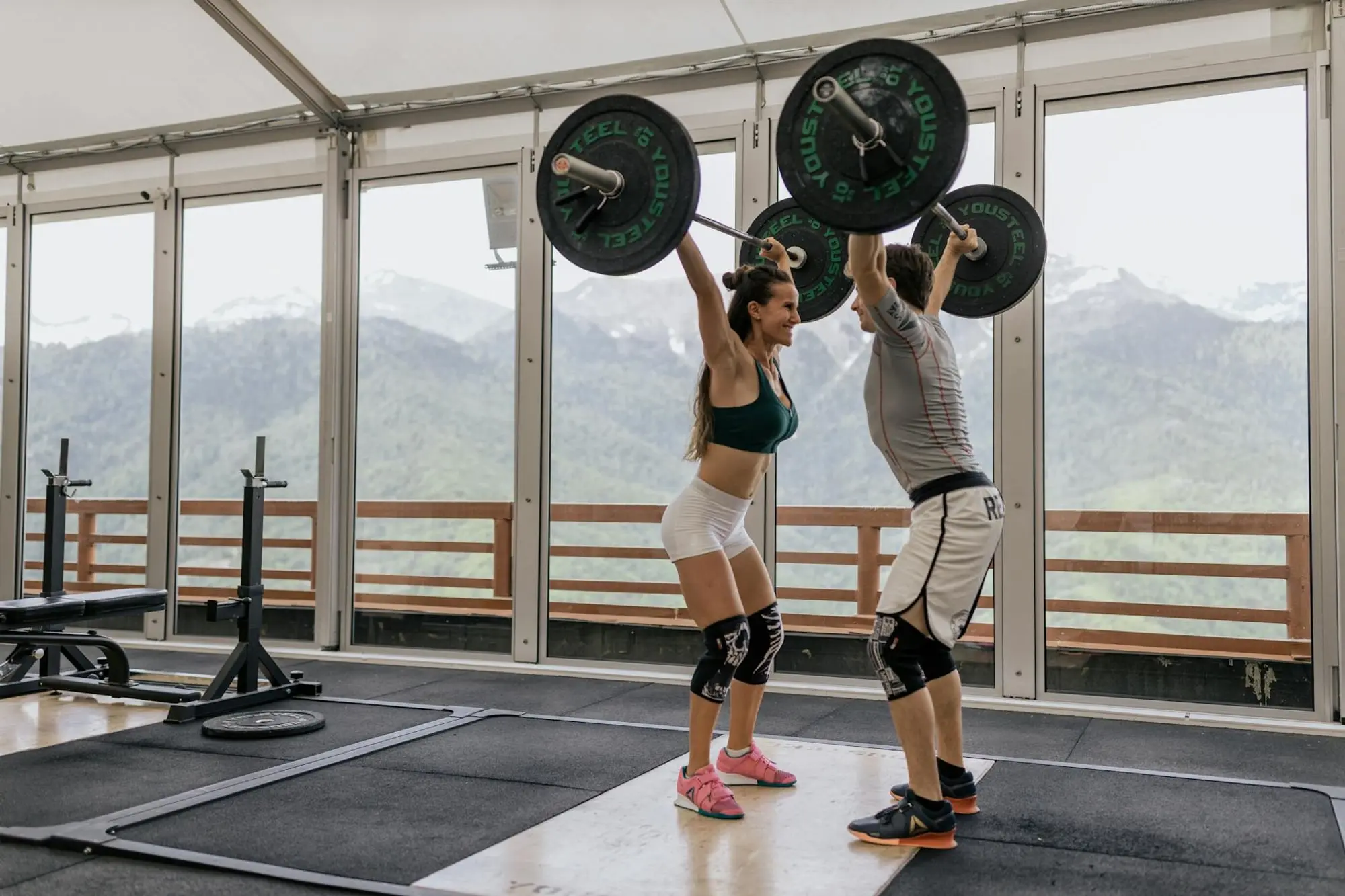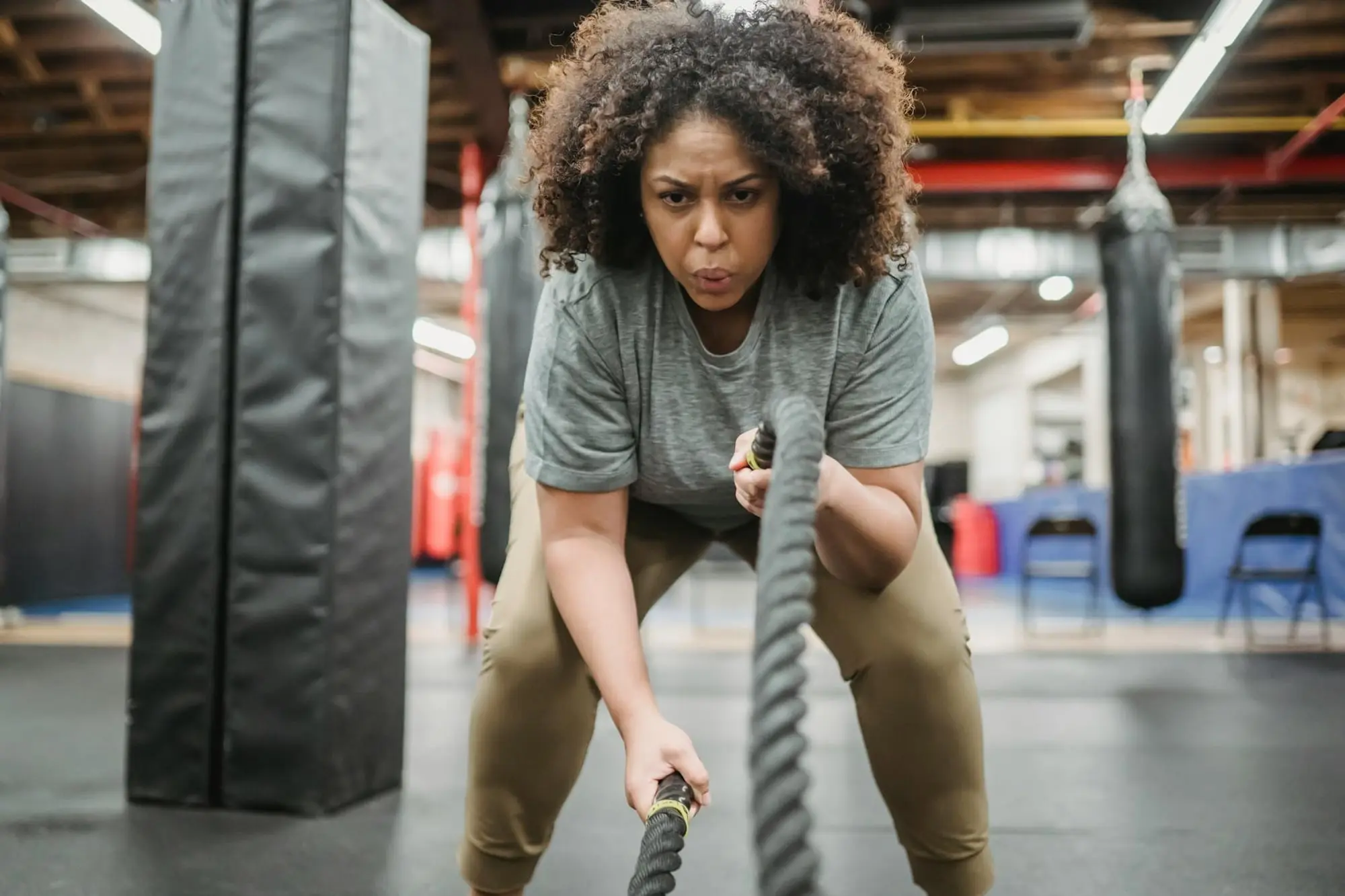
“High-intensity interval training isn’t just a trend—it’s the most efficient way to maximize calorie burn in minimal time,” celebrity trainer Jillian Michaels told Shape magazine. Now, groundbreaking research confirms what fitness experts have long suspected: HIIT workouts can torch significantly more calories than traditional steady-state cardio like walking or running.
A comprehensive study published in the Journal of Sports Medicine and Physical Fitness found that participants burned up to 40% more calories during HIIT sessions compared to moderate-intensity continuous exercise. The research analyzed over 200 participants across multiple fitness levels, measuring calorie expenditure both during and after various workout modalities.
The Science Behind Superior Calorie Burn
The secret lies in excess post-exercise oxygen consumption (EPOC), commonly known as the “afterburn effect.” According to research from the American College of Sports Medicine, HIIT workouts create a metabolic disturbance that keeps your body burning calories at an elevated rate for up to 24 hours post-exercise.
Dr. Michelle Olson, a respected exercise physiologist at Auburn University, has extensively studied this phenomenon. Her research demonstrates that while a 30-minute walk might burn 150-200 calories, a comparable HIIT session can burn 250-400 calories during the workout, plus an additional 100-200 calories throughout the day.
Celebrity trainer Harley Pasternak, who has worked with stars like Jessica Simpson and Lady Gaga, emphasizes this efficiency in his training philosophy. “My clients don’t have hours to spend in the gym,” Pasternak told Women’s Health. “HIIT delivers maximum results in 15-30 minutes.”
Why Traditional Cardio Falls Short
Steady-state cardio, while beneficial for cardiovascular health, operates within a comfortable metabolic zone that doesn’t create significant post-exercise calorie burn. Research from the University of Western Ontario compared groups performing either steady-state cardio or HIIT over 15 weeks.
The HIIT group lost nine times more body fat despite exercising for significantly less time each week. This dramatic difference stems from the intense bursts of activity that force your body to work anaerobically, creating an oxygen debt that must be repaid long after your workout ends.
Tracy Anderson, celebrity trainer for Gwyneth Paltrow and Jennifer Lopez, has built her methodology around this principle. According to Vogue, Anderson’s signature classes combine high-intensity intervals with targeted muscle engagement to maximize calorie expenditure.

The Most Effective HIIT Protocols
Not all HIIT workouts are created equal. Research published in Applied Physiology, Nutrition, and Metabolism identified several protocols that consistently deliver superior results:
- Tabata Protocol: 20 seconds maximum effort, 10 seconds rest, repeated for 8 rounds
- 4×4 Method: 4 minutes high intensity, 3 minutes recovery, repeated 4 times
- 30-30 Intervals: 30 seconds hard effort, 30 seconds easy recovery for 15-20 minutes
- Pyramid Training: Increasing then decreasing interval lengths (1-2-3-2-1 minutes)
- Sprint Intervals: 30-second all-out sprints with 90-second recovery periods
- Bodyweight Circuits: 45 seconds work, 15 seconds rest across multiple exercises
Popular fitness platforms like Peloton and Nike Training Club have incorporated these evidence-based protocols into their programming. According to Peloton’s internal data, their HIIT classes consistently rank among the highest for calorie burn per minute.
What the Experts Recommend
Celebrity trainer Gunnar Peterson, who works with the Lakers and numerous Hollywood A-listers, advocates for a structured approach to HIIT implementation. “Start with two sessions per week,” Peterson told Men’s Health. “Your body needs time to adapt to the metabolic stress.”
Don Saladino, trainer for Blake Lively and Ryan Reynolds, emphasizes proper progression. According to Saladino’s methodology featured in Shape magazine, beginners should start with work-to-rest ratios of 1:3, gradually progressing to 1:1 as fitness improves.
The key factors for maximizing calorie burn include:
| Factor | Recommendation | Calorie Impact |
|---|---|---|
| Intensity Level | 85-95% max heart rate | +25-40% burn |
| Work-to-Rest Ratio | 1:1 to 1:3 depending on fitness | +15-30% efficiency |
| Session Duration | 15-30 minutes including warm-up | Optimal for EPOC |
| Weekly Frequency | 2-3 sessions maximum | Prevents overtraining |
Research from the Mayo Clinic suggests that combining HIIT with strength training amplifies the calorie-burning effect. This hybrid approach, popularized by CrossFit and boutique fitness studios like Orange Theory, can increase total daily energy expenditure by up to 15%.

Implementation Strategies for Maximum Results
The transition from traditional cardio to HIIT requires strategic planning. According to the American Council on Exercise, individuals should maintain a base fitness level before attempting high-intensity protocols.
Celebrity trainer Anna Kaiser, who trains Sarah Jessica Parker and Kelly Ripa, told Harper’s Bazaar that proper warm-up and cool-down phases are crucial for both safety and effectiveness. Kaiser’s methodology includes 5-10 minutes of dynamic movement before intervals and comprehensive stretching afterward.
Timing also plays a crucial role in optimization. Research published in the International Journal of Obesity found that morning HIIT sessions may enhance fat oxidation throughout the day. However, the most important factor remains consistency rather than perfect timing.
Jillian Michaels emphasizes the importance of variety in her programming philosophy. “Your body adapts quickly to repetitive stress,” Michaels explained to Prevention magazine. “Changing exercises, intervals, and intensities prevents plateaus and maintains high calorie burn.”
Professional athletes have long utilized these principles. According to Sports Illustrated, NBA players like LeBron James incorporate sport-specific HIIT protocols that can burn over 600 calories in 30 minutes while improving game performance.
The versatility of HIIT extends beyond traditional gym settings. Bodyweight protocols can be performed anywhere, making them accessible for busy schedules. Research from Harvard Medical School confirms that equipment-free HIIT sessions maintain comparable calorie-burning benefits to gym-based alternatives.
Recovery remains paramount for sustained success. The International Association of Fitness Sciences recommends 48-72 hours between intense sessions to allow full metabolic recovery and prevent overtraining syndrome.
How quickly will I see results from HIIT workouts?
According to research from the Journal of Obesity, participants typically notice improved fitness within 2-3 weeks, with significant body composition changes visible after 6-8 weeks of consistent training.
Can beginners safely perform HIIT workouts?
Yes, with proper modifications. The American College of Sports Medicine recommends starting with lower-intensity intervals and longer rest periods, gradually progressing as fitness improves.
How does HIIT compare to strength training for calorie burn?
While strength training builds muscle and increases metabolic rate long-term, HIIT provides immediate high calorie burn plus the afterburn effect. Combining both methods optimizes results according to research from Exercise and Sport Sciences Reviews.
What’s the minimum effective dose for HIIT benefits?
Studies published in Applied Physiology, Nutrition, and Metabolism show that as little as 10 minutes of true high-intensity work per week can improve cardiovascular fitness and increase calorie burn.