When Jennifer Coolidge stepped into her trailer after a long day filming “The White Lotus,” she reached for her go-to skincare routine—a ritual that includes affordable drugstore favorites alongside luxury products. Like millions of Americans, the Emmy-winning actress relies on accessible beauty brands to maintain her wellness routine without breaking the bank.
But behind the scenes of Hollywood’s most radiant red carpet looks lies an economic battle that could fundamentally change how we access our favorite beauty and wellness products. Three major beauty companies—E.L.F. Cosmetics, Revlon, and Bath & Body Works—have filed lawsuits against the Trump Administration over tariffs that threaten to make everyday wellness essentials significantly more expensive.
This isn’t just about corporate profits. It’s about accessibility to the very products that help people feel confident and maintain their self-care routines, from the drugstore makeup that transforms a morning jog into a coffee date to the body lotions that soothe skin after intense Peloton sessions.
The Real Cost of Beauty Tariffs on Your Wellness Routine
The lawsuit centers on tariffs imposed on imported beauty ingredients and finished products, many of which come from China and other international suppliers. According to The Wall Street Journal, these tariffs can add 7.5% to 25% to the cost of imported goods, a burden that companies argue gets passed directly to consumers.
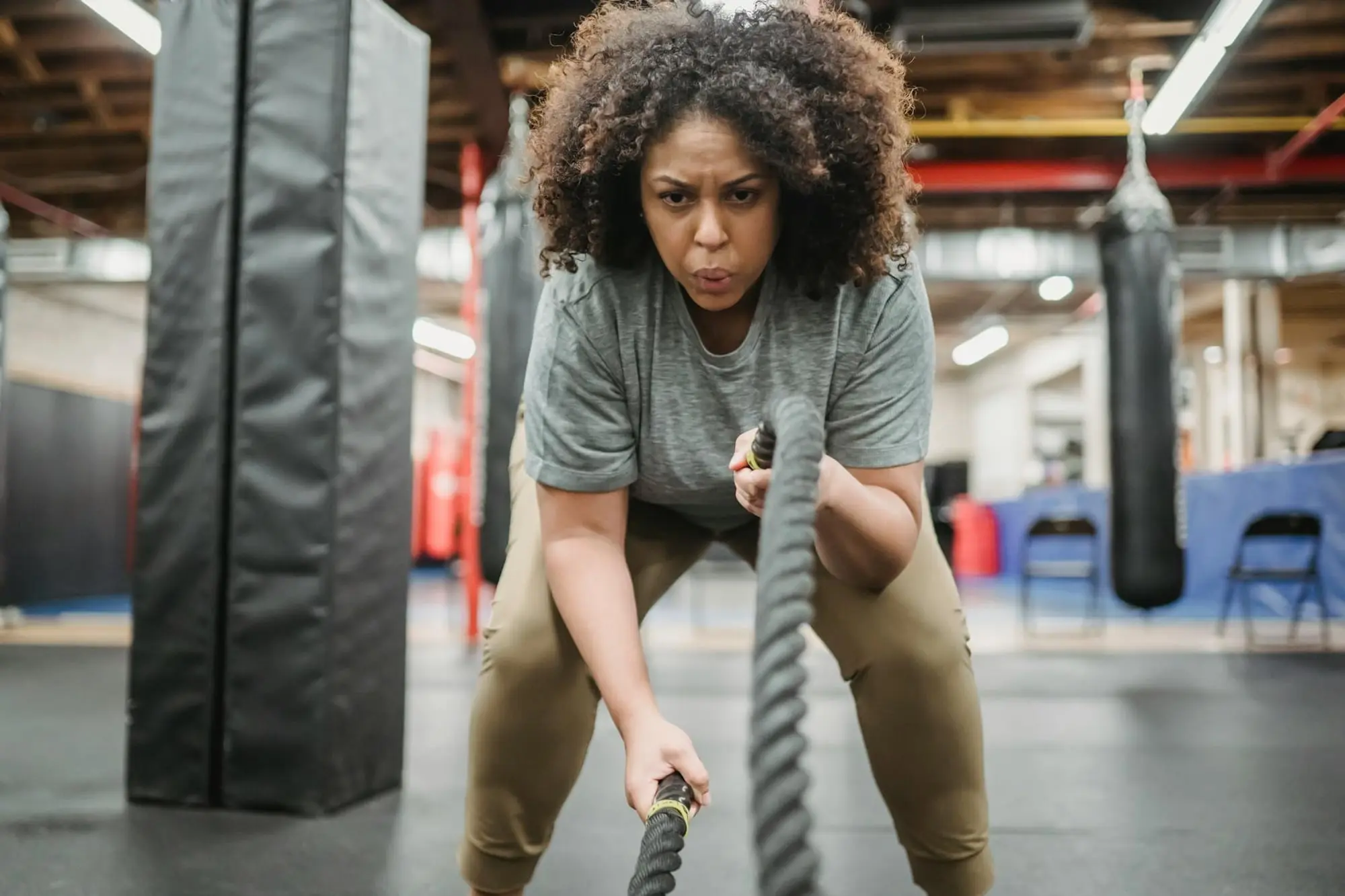
For fitness enthusiasts who rely on affordable beauty products to maintain their post-workout routines, this translates to real money. Research shows that the average American woman spends approximately $3,756 annually on beauty products, with skincare and body care representing the largest categories.
Tracy Anderson, the celebrity trainer known for working with Gwyneth Paltrow and Madonna, recently spoke to Shape magazine about the importance of accessible skincare in fitness routines. “Your skin is your largest organ, and it needs care before and after every workout,” Anderson explained. “When quality products become luxury items, it creates barriers to proper self-care.”
How Major Beauty Brands Are Fighting Back
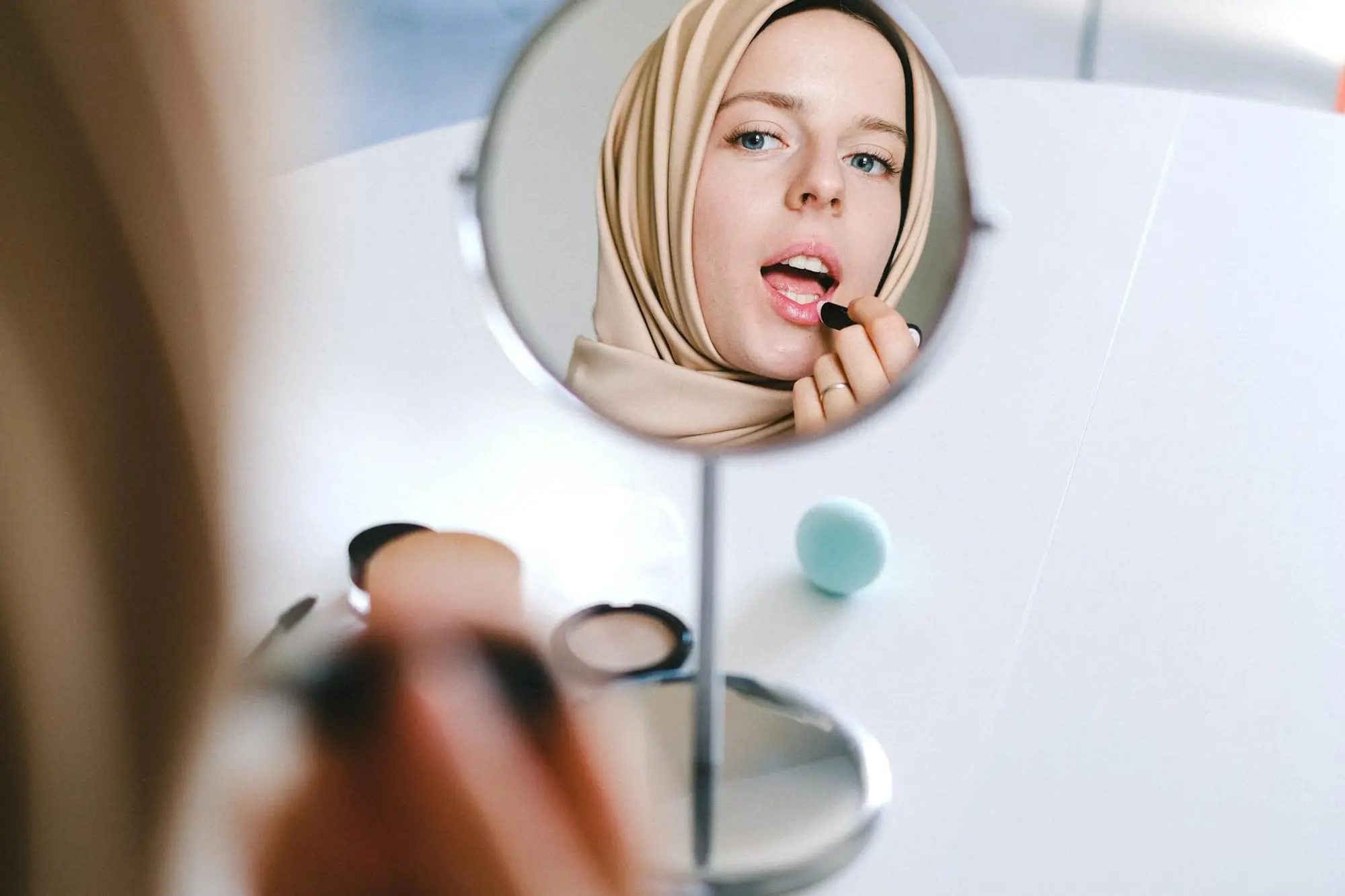
E.L.F. Cosmetics, known for its $3 lipsticks and cult-favorite skincare products, leads the charge in this legal battle. The company argues that tariffs force them to choose between absorbing massive costs or pricing out their core demographic—young consumers and budget-conscious beauty lovers.
Bath & Body Works faces similar challenges with their body care lines, which have become staples in many Americans’ post-workout routines. Their signature lotions and body washes, often priced under $15, could see significant price increases if tariff costs continue mounting.
Revlon’s situation proves even more complex, as the legacy brand has struggled financially while competing against both luxury and ultra-affordable options. The additional tariff burden threatens their ability to offer mid-range products that bridge the gap between drugstore and department store prices.

The Ripple Effect on Celebrity-Endorsed Wellness Products
Celebrity endorsements drive much of the beauty industry’s growth, with stars like Rihanna, Selena Gomez, and Kim Kardashian launching their own brands. According to Forbes, celebrity beauty brands generated over $1.2 billion in revenue in 2023 alone.
However, tariffs don’t discriminate between celebrity brands and established companies. Fenty Beauty, launched by Rihanna, sources ingredients globally and could face similar cost pressures. The same applies to Rare Beauty by Selena Gomez, which has positioned itself as an accessible luxury brand.
The fitness community has particularly embraced beauty brands that understand the needs of active lifestyles. Products that promise sweat-proof formulas, quick application, and skin-nourishing ingredients have become essential for many who maintain rigorous workout schedules.
Consider these impacts on popular wellness-beauty crossover products:
- Sweat-proof makeup for SoulCycle classes could increase 15-25% in price
- Post-workout body care products may see similar price jumps
- Affordable skincare for gym-goers becomes less accessible
- Celebrity-endorsed fitness beauty collaborations face higher production costs
- International ingredient sourcing becomes prohibitively expensive
- Small beauty brands struggle to compete with established companies that can absorb costs
What This Means for Your Fitness and Beauty Budget
Professional trainers consistently emphasize the connection between looking good and feeling motivated to maintain fitness routines. Gunnar Peterson, who has trained celebrities like Jennifer Lopez and Sofia Vergara, told Women’s Health that confidence plays a crucial role in workout consistency.
“When people feel good about how they look, they’re more likely to show up for themselves,” Peterson explained. “If quality beauty products become unaffordable, it could actually impact people’s motivation to maintain healthy lifestyles.”
A 2024 study from the American Psychological Association found that people who maintain regular beauty routines report 23% higher levels of exercise motivation compared to those who don’t. This suggests that affordable access to beauty products isn’t just about vanity—it’s about mental health and physical wellness.

The lawsuit outcomes could determine whether your favorite $5 mascara remains affordable or jumps to $8. For someone buying beauty products monthly, these increases compound quickly throughout the year.
The Legal Battle’s Timeline and Potential Outcomes
The three companies filed their lawsuits in different federal courts, but legal experts expect the cases to be consolidated for efficiency. According to Reuters, similar trade disputes typically take 18-24 months to resolve through the court system.
During this time, companies face difficult decisions about pricing and product availability. Some may discontinue certain products rather than raise prices, while others might reformulate products using domestic ingredients that cost more but avoid tariffs.
| Company | Primary Concern | Potential Impact | Timeline |
|---|---|---|---|
| E.L.F. Cosmetics | Maintaining $3-15 price points | 20-30% price increases on key products | 12-18 months for resolution |
| Bath & Body Works | Body care accessibility | $12-20 products may jump to $15-25 | Court decision expected 2025 |
| Revlon | Financial stability | Product discontinuation possible | Immediate pricing pressure |
Beauty industry analysts predict that regardless of the lawsuit outcomes, the tariff dispute has already prompted companies to diversify their supply chains. This shift toward domestic manufacturing could ultimately benefit American workers but may result in permanently higher prices for consumers.
The emotional stakes extend beyond economics. For many people, beauty routines represent daily acts of self-care and confidence-building. When Jennifer Coolidge accepts awards looking radiant and confident, it’s partly because she has access to products that help her feel her best—access that shouldn’t be determined by economic policy battles.
Will beauty product prices return to normal if the companies win their lawsuits?
Not necessarily. Even if tariffs are removed, companies may maintain higher prices to rebuild profits lost during the dispute period. However, competitive pressure typically forces some price reductions over time.
How can consumers prepare for potential price increases?
Stock up on essential products while current prices remain stable, explore generic alternatives, and consider subscription services that may offer price protection during transitions.
Are luxury beauty brands affected by these same tariffs?
Yes, but luxury consumers tend to be less price-sensitive, so high-end brands can more easily absorb or pass along tariff costs without losing significant market share.
Could this dispute affect celebrity beauty brand launches?
Absolutely. Higher production costs may delay launches, force higher initial pricing, or cause celebrities to partner with domestic manufacturers exclusively, potentially limiting ingredient options.
The intersection of politics and personal care reminds us that the products we use to feel confident and maintain our wellness routines exist within larger economic systems. Whether you’re reaching for a $3 lipstick before a morning run or investing in post-workout skincare, these everyday choices connect us to global supply chains and policy decisions that shape our access to self-care.
You might also like