
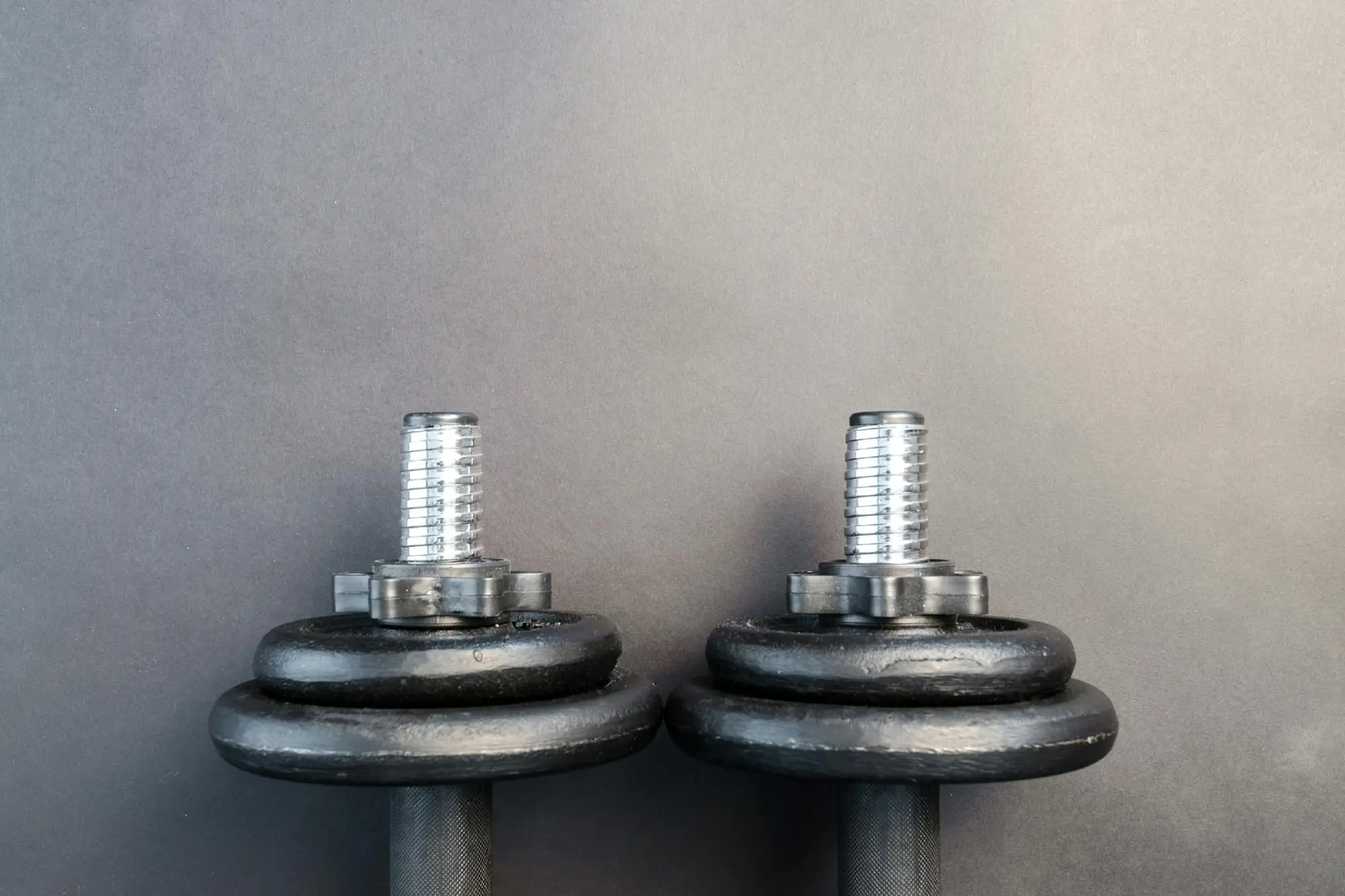
After 35, women lose up to 8% of their muscle mass per decade — but one fitness transformation is proving that your 40s might actually be the perfect time to get stronger than ever. Meet Sarah Chen, a 43-year-old marketing executive who discovered that three game-changing strength training habits didn’t just reshape her physique — they completely revolutionized how she approaches fitness in midlife.
1. The Progressive Overload Protocol That Builds Real Strength
Chen’s transformation began when she ditched the light weights and endless reps that dominated her 30s workouts. Instead, she embraced what celebrity trainer Don Saladino calls “intelligent progression.”
The magic happens in the 6-12 rep range with challenging weights. Chen started with bodyweight squats and worked up to goblet squats with 35-pound dumbbells within six months.
Her weekly progression looked like this:
- Week 1-2: Master the movement pattern
- Week 3-4: Add 2.5-5 pounds or one extra rep
- Week 5-6: Increase sets from 2 to 3
- Week 7-8: Progress to a more challenging variation
According to a 2023 study in the Journal of Strength and Conditioning Research, women who followed progressive overload protocols saw 47% greater strength gains compared to those using static weights. Chen’s results mirror this research perfectly.
The key is tracking everything. Chen uses a simple notebook to log weights, reps, and sets — no fancy apps required.
2. The Compound Movement Revolution
Celebrity trainer Gunnar Peterson, who works with stars like Jennifer Lopez and Sofia Vergara, swears by compound exercises for maximum efficiency. Chen discovered this approach transformed her hour-long gym sessions into focused 45-minute powerhouses.
Her go-to compound movements became:
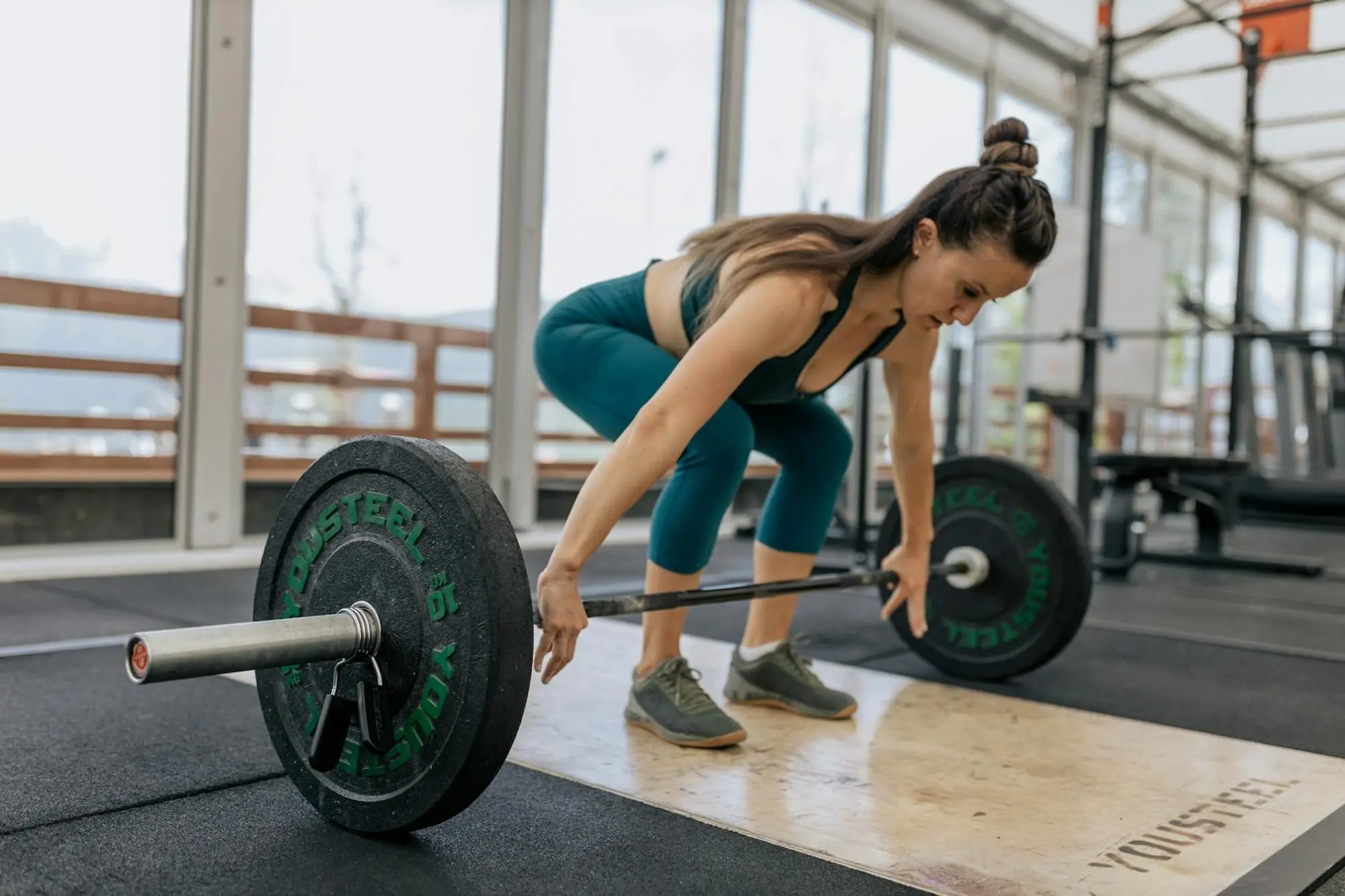
- Deadlifts (works glutes, hamstrings, core, back)
- Squats (targets quads, glutes, core)
- Push-ups progressing to chest press (chest, shoulders, triceps)
- Rows (back, biceps, core)
Research from the American Council on Exercise shows compound movements burn 30% more calories than isolation exercises while building functional strength that translates to daily activities.

Chen’s weekly split prioritizes these multi-muscle exercises. Monday focuses on lower body compounds, Wednesday targets upper body, and Friday combines both in a full-body session.
The transformation was evident within eight weeks. Chen went from struggling with bodyweight squats to deadlifting 125 pounds with perfect form.
3. The Recovery Revolution That Accelerated Results
Tracy Anderson, Madonna’s longtime trainer, recently told Shape magazine that recovery becomes non-negotiable in your 40s. Chen learned this lesson the hard way after initial burnout attempts.
Her recovery protocol includes three non-negotiables:
- 7-9 hours of sleep (she tracks with a Fitbit Charge 5)
- 48-hour rest between training the same muscle groups
- Active recovery walks on non-lifting days
According to sleep researcher Dr. Matthew Walker’s findings published in Women’s Health, adequate sleep increases muscle protein synthesis by 22% — crucial for strength building after 40.
Chen also discovered the power of proper nutrition timing. She eats protein within 30 minutes post-workout, following the guidelines celebrity trainer Harley Pasternak uses with clients like Megan Fox and Jessica Simpson.
Her post-workout fuel usually includes:
- Greek yogurt with berries
- Protein smoothie with banana
- Hard-boiled eggs with whole grain toast
4. The Mindset Shift That Made Everything Stick
The biggest transformation wasn’t physical — it was mental. Chen stopped viewing exercise as punishment for eating and started seeing strength training as an investment in her future self.
Reese Witherspoon recently shared in People magazine how shifting from cardio-focused workouts to strength training in her 40s improved not just her physique but her confidence. Chen experienced the same mindset revolution.
Her new approach focuses on performance goals rather than appearance:
- Deadlift bodyweight by month six (achieved at month five)
- Complete 10 full push-ups (achieved at month three)
- Squat holding 50 pounds (achieved at month seven)

Research from the International Journal of Environmental Research and Public Health found that performance-based fitness goals lead to 68% better long-term adherence compared to appearance-focused objectives.
Chen also embraced the concept of “good enough” workouts. On busy days, she completes just 15 minutes of bodyweight exercises using the Nike Training Club app rather than skipping entirely.
The Before and After: Chen’s 12-Month Transformation
| Metric | Month 1 | Month 12 | Improvement |
|---|---|---|---|
| Deadlift Max | 65 lbs | 145 lbs | 123% increase |
| Push-ups | 2 modified | 15 full | 650% increase |
| Squat Max | Bodyweight only | 85 lbs added | N/A |
| Workout Consistency | 2x per week | 4x per week | 100% increase |
| Energy Level (1-10) | 4 | 8 | 100% increase |
The results speak for themselves. Chen’s transformation proves that strength training after 40 isn’t about turning back the clock — it’s about building the strongest, most capable version of yourself.
Her advice for women hesitant to start? Begin with bodyweight exercises at home using apps like Peloton Digital or Fitness Blender, then progress to gym-based training as confidence builds.
The science is clear: muscle mass peaks in your 30s, but muscle strength can continue improving well into your 60s and beyond. Chen’s journey demonstrates that 40 isn’t the beginning of physical decline — it’s the perfect time to get serious about strength.
—
FAQ
How long before you see strength training results in your 40s?
Most women notice increased energy within 2-3 weeks, visible muscle changes by 6-8 weeks, and significant strength gains within 3-4 months. The key is consistency over perfection.
Should you lift heavy weights in your 40s?
Yes, but “heavy” is relative to your current fitness level. Start with weights that challenge you for 8-12 reps while maintaining proper form, then progress gradually every 2-3 weeks.
How many times per week should women over 40 strength train?
Research suggests 2-4 sessions per week, allowing 48 hours between training the same muscle groups. Three sessions per week provides optimal results for most beginners.
Can you build muscle after 40 without supplements?
Absolutely. Whole food protein sources, adequate sleep, and progressive training provide everything needed for muscle building. Focus on 0.8-1 gram of protein per pound of body weight daily.
You might also like
 Mike White Shocks Fellow Castaways With Ripped Abs on ‘Survivor 50’ Premiere