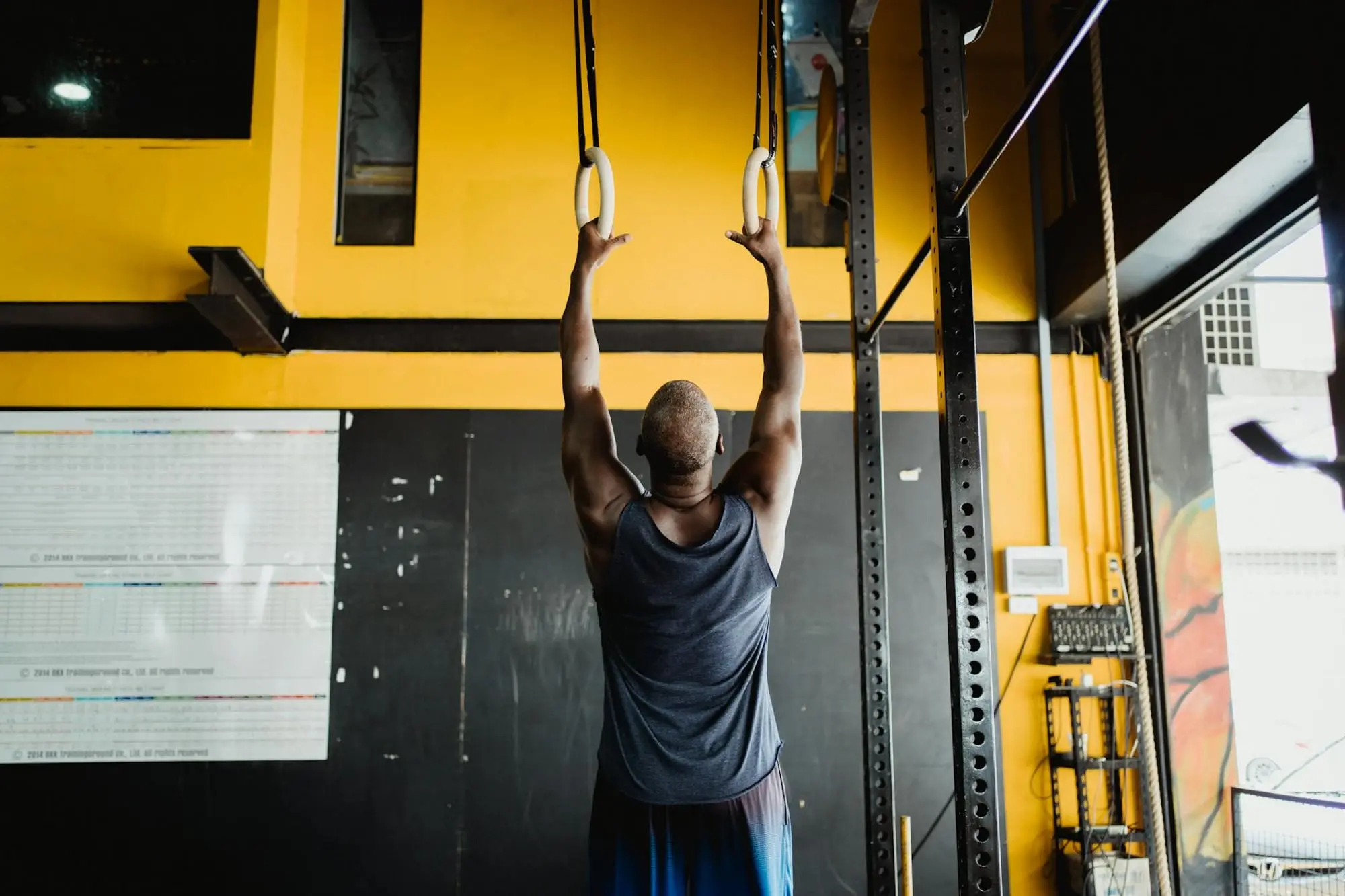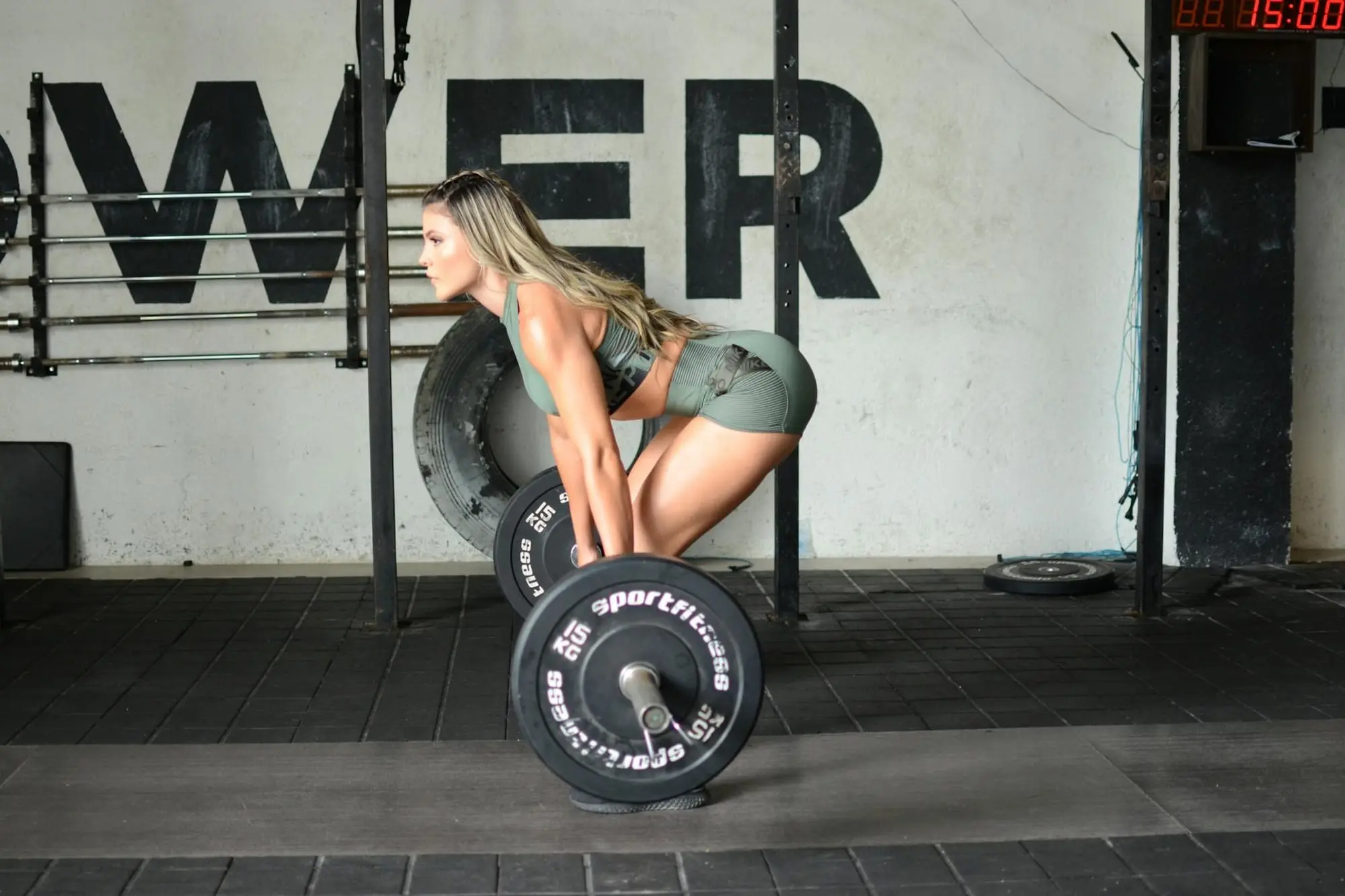
“The biceps are often considered the show muscles, but they’re actually crucial for functional movement patterns,” celebrity trainer Dalton Wong told Men’s Health in a recent interview. Wong, who has trained stars like Jennifer Lawrence and Dakota Johnson, emphasizes that effective biceps training goes far beyond simple curls.
Building impressive biceps requires a strategic approach that targets the muscle from multiple angles. The biceps brachii consists of two heads—the long head and short head—each requiring specific exercises for optimal development. According to research published in the Journal of Sports Science & Medicine, varying grip positions and movement patterns can increase muscle activation by up to 40% compared to traditional curls alone.
Celebrity trainer Gunnar Peterson, who works with the Los Angeles Lakers and Hollywood A-listers like Sylvester Stallone, frequently incorporates compound movements alongside isolation exercises. “The best biceps workouts combine both pulling movements and direct arm work,” Peterson explained to Shape magazine.
The Science Behind Effective Biceps Training
Understanding biceps anatomy is essential for maximizing muscle growth. The biceps brachii originates from two points on the scapula and inserts into the radius bone. This dual-origin structure means that different arm positions will emphasize different portions of the muscle.
Research from the American Council on Exercise found that concentration curls produced the highest biceps activation at 97% of maximum voluntary contraction. However, cable curls and chin-ups also ranked highly, demonstrating that variety is crucial for comprehensive development.
The brachialis, located beneath the biceps, also contributes significantly to arm size. Hammer curls and reverse curls specifically target this muscle, creating width and pushing the biceps up for a more impressive appearance.
Top-Tier Biceps Exercises for Maximum Growth
Professional trainers consistently recommend these foundational movements for serious muscle building:
- Barbell Curls: The gold standard for overall mass building
- Hammer Curls: Essential for brachialis development and forearm strength
- Chin-ups: Compound movement that builds functional strength
- Cable Curls: Provides constant tension throughout the range of motion
- Concentration Curls: Maximizes peak contraction and muscle isolation
- Preacher Curls: Eliminates momentum and targets the muscle effectively
- 21s: High-volume technique that increases time under tension
Celebrity trainer Don Saladino, who prepares actors like Ryan Reynolds for superhero roles, incorporates progressive overload principles. “We start with basic movements and gradually add complexity and weight,” Saladino told Men’s Fitness.

Advanced Techniques That Celebrities Swear By
Hollywood’s top physiques often result from sophisticated training methods that go beyond basic curls. Harley Pasternak, trainer to stars including Lady Gaga and Rihanna, emphasizes the importance of eccentric loading—slowly lowering weights to maximize muscle damage and subsequent growth.
Drop sets represent another advanced technique frequently used in celebrity training programs. According to Muscle & Fitness, this method can increase muscle protein synthesis by up to 35% compared to straight sets. The technique involves performing an exercise to failure, then immediately reducing the weight and continuing for additional repetitions.
Cluster sets have gained popularity among elite trainers for their ability to maintain high intensity throughout workouts. This method involves breaking traditional sets into smaller segments with brief rest periods, allowing for heavier weights and greater total volume.
What the Experts Recommend
Leading fitness professionals consistently emphasize several key principles for optimal biceps development. According to the National Strength and Conditioning Association, progressive overload remains the most critical factor for muscle growth.
Frequency recommendations vary among experts, but most suggest training biceps 2-3 times per week. A 2019 study in the Journal of Strength and Conditioning Research found that higher frequency training produced superior muscle growth compared to once-weekly sessions.
Time under tension plays a crucial role in hypertrophy. Research indicates that controlling both the lifting and lowering phases of each repetition maximizes muscle fiber recruitment. Elite trainers typically recommend 2-3 seconds for the eccentric portion of each curl.
Grip variations significantly impact muscle activation patterns. Wide grips emphasize the short head, while narrow grips target the long head more effectively. Neutral grips, as used in hammer curls, primarily activate the brachialis and brachioradialis muscles.
| Exercise Category | Primary Benefit | Recommended Frequency |
|---|---|---|
| Compound Pulls | Overall mass and strength | 2-3x per week |
| Isolation Curls | Targeted muscle development | 2-3x per week |
| Grip Variations | Complete muscle activation | Every session |

Programming for Professional Results
Structuring biceps workouts requires careful consideration of volume, intensity, and recovery. Professional trainers typically recommend 12-20 sets per week for intermediate to advanced trainees, distributed across multiple sessions.
Periodization ensures continued progress by systematically varying training variables. Linear periodization, starting with higher repetitions and progressing to heavier weights, has shown effectiveness in multiple research studies.
Recovery between sessions is equally important as the training itself. The International Journal of Sports Medicine published research indicating that muscle protein synthesis remains elevated for 24-48 hours following intense training.
Celebrity trainer Ashley Borden, who works with Christina Aguilera and Mandy Moore, emphasizes the importance of mind-muscle connection. “Focusing on feeling the muscle work is more important than lifting heavy weight,” Borden explained to Women’s Health.
Nutrition timing also impacts results significantly. Consuming 20-25 grams of high-quality protein within two hours post-workout optimizes muscle protein synthesis, according to the American College of Sports Medicine.
The most effective biceps programs combine compound pulling movements with targeted isolation exercises. This approach ensures both functional strength development and aesthetic improvements. Professional trainers consistently achieve superior results by manipulating training variables systematically while maintaining focus on proper form and progressive overload.
How often should I train biceps for maximum growth?
Most fitness experts recommend training biceps 2-3 times per week, allowing at least 48 hours of recovery between intense sessions. This frequency maximizes muscle protein synthesis while preventing overtraining.
Are compound exercises better than isolation movements for biceps?
Both types serve important purposes. Compound movements like chin-ups build overall mass and functional strength, while isolation exercises like curls allow for targeted development and peak contractions.
What’s the ideal rep range for biceps hypertrophy?
Research suggests that rep ranges between 6-15 repetitions are optimal for muscle growth, though varying rep ranges throughout your program can maximize results by targeting different muscle fibers.
How important is grip variation in biceps training?
Grip variations are crucial for complete development. Different grip positions target various portions of the biceps and surrounding muscles, ensuring balanced growth and preventing strength imbalances.
You might also like