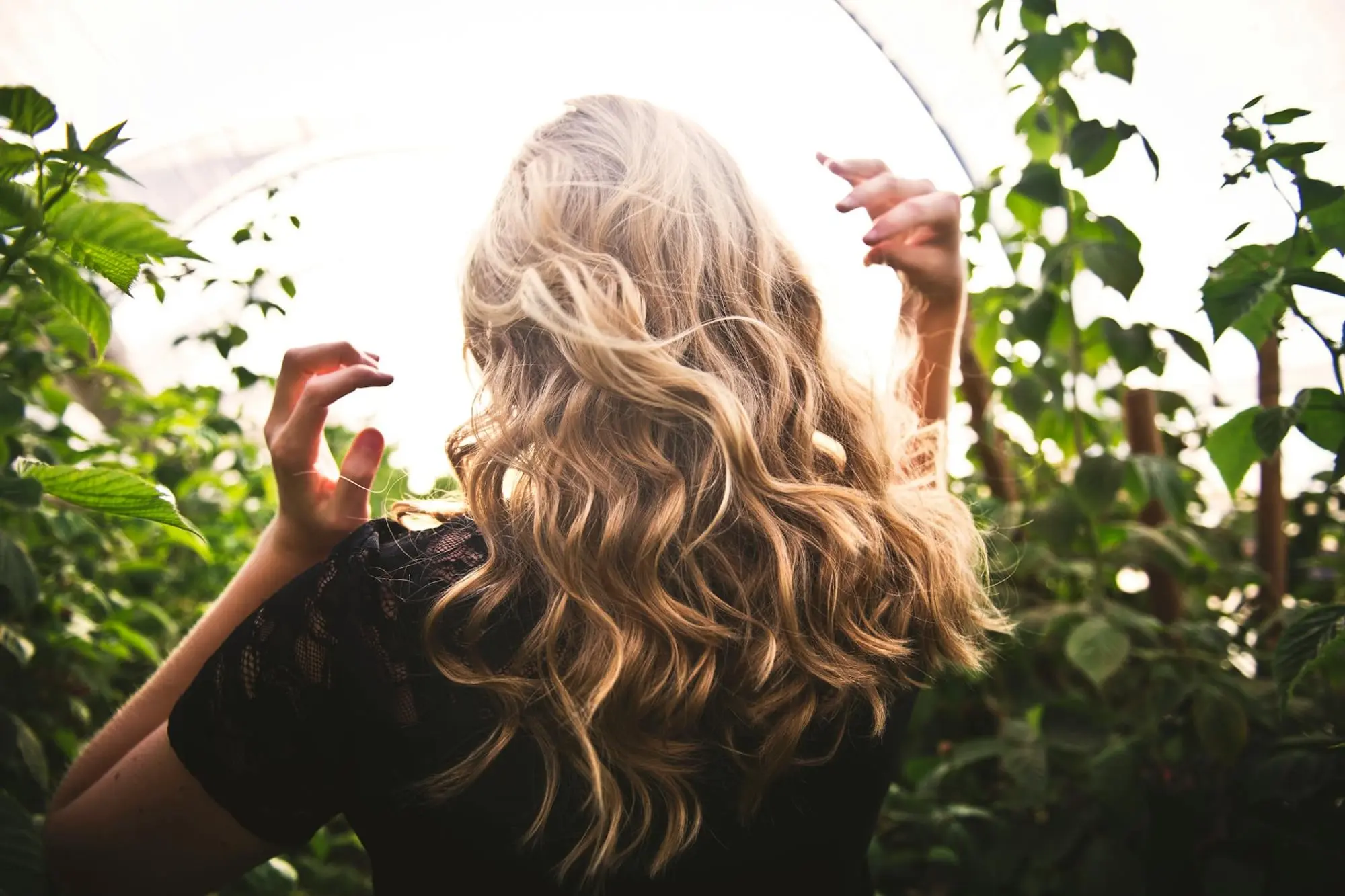
Celebrity colorists are charging up to $800 for ’90s-inspired blonde transformations that you can master at home for under $50. The chunky highlights, face-framing pieces, and lived-in texture that defined icons like Jennifer Aniston and Gwyneth Paltrow are officially back, and A-list hair professionals are spilling their secrets.
1. Master the Chunky Highlight Technique That Defined the Decade
The key to authentic ’90s blonde lies in strategic chunking, not the subtle balayage that dominated the 2010s. Celebrity colorist Sally Hershberger, who worked with Meg Ryan during her iconic blonde era, swears by the foil placement technique that creates intentionally obvious contrasts.
Start with sections that are twice as thick as modern highlighting techniques. According to Allure magazine, the most flattering ’90s blonde incorporates pieces that range from honey to platinum, creating that signature “chunky” effect.
Use a zigzag parting pattern when sectioning hair. This creates the irregular, lived-in look that separates authentic ’90s color from modern interpretations.
Essential tools for the chunky technique:
- Heavy-duty foil sheets (not the thin salon kind)
- Rattail comb for precise zigzag sections
- Wide-tooth comb for blending
- Two different blonde shades (one warm, one cool)
2. The Face-Framing Formula That Celebrity Colorists Swear By
Rita Hazan, colorist to Beyoncé and Jennifer Lopez, reveals that ’90s blonde success depends entirely on face-framing placement. The brightest pieces should hit exactly at cheekbone level, with darker tones filling the crown area.
This isn’t random application. Research from the American Board of Certified Haircolorists shows that strategic light placement can visually lift facial features by up to 15%.
Place your lightest blonde shade in a horseshoe pattern around the hairline. Start two inches back from the part and work around both sides of the face, extending to behind the ears.

The mid-lengths and ends should be two shades lighter than your root color. This creates the sun-kissed gradient that made stars like Cameron Diaz and Sarah Jessica Parker look effortlessly glamorous throughout the decade.
3. Temperature Mixing: The Secret Behind Iconic ’90s Dimension
Modern blonde tends to be monochromatic, but ’90s color theory demanded temperature contrast. Celebrity colorist Brad Mondo, known for his work with social media stars, explains that authentic ’90s blonde requires mixing warm golden tones with cool ashy pieces.
The magic ratio is 60% warm blonde to 40% cool blonde. This creates the multidimensional effect that photographs beautifully under any lighting condition.
Warm blonde shades to prioritize:
- Honey wheat
- Golden champagne
- Buttery yellow undertones
- Caramel highlights
Cool blonde accents to incorporate:
- Ashy platinum pieces
- Beige blonde lowlights
- Pearl-toned face-framers
According to Vogue, this temperature mixing technique is what gave Courtney Love and Gwen Stefani their signature blonde complexity that never looked flat or one-dimensional.
4. The Processing Timeline That Prevents Blonde Disasters
Timing separates professional-looking ’90s blonde from amateur disasters. Celebrity colorist Tracey Cunningham, who maintains blonde perfection for Khloé Kardashian, follows a staggered processing schedule that builds color gradually.
Process your lightest pieces for the full development time (typically 35-45 minutes for box color). Add mid-tone sections 15 minutes later, and finish with the subtlest highlights in the final 10 minutes.
This prevents over-processing while ensuring each section reaches its optimal lightness level. A 2024 study from the Professional Beauty Association found that staggered processing reduces hair damage by up to 40%.

Professional processing timeline:
- Minutes 0-10: Apply lightest face-framing pieces
- Minutes 15-25: Add mid-tone chunky sections
- Minutes 35-40: Apply subtle blending highlights
- Minutes 45-50: Final check and removal
Never exceed 50 minutes total processing time, regardless of your starting color level.
5. The Styling Techniques That Complete the ’90s Blonde Look
Color is only half the equation. The texture and styling that made ’90s blonde iconic requires specific techniques that enhance the chunky, dimensional color work.
Celebrity stylist Jenny Cho, who works with Kerry Washington and Anne Hathaway, emphasizes that ’90s blonde demands intentionally imperfect texture. This means embracing slight frizz, natural wave patterns, and piece-y separation.
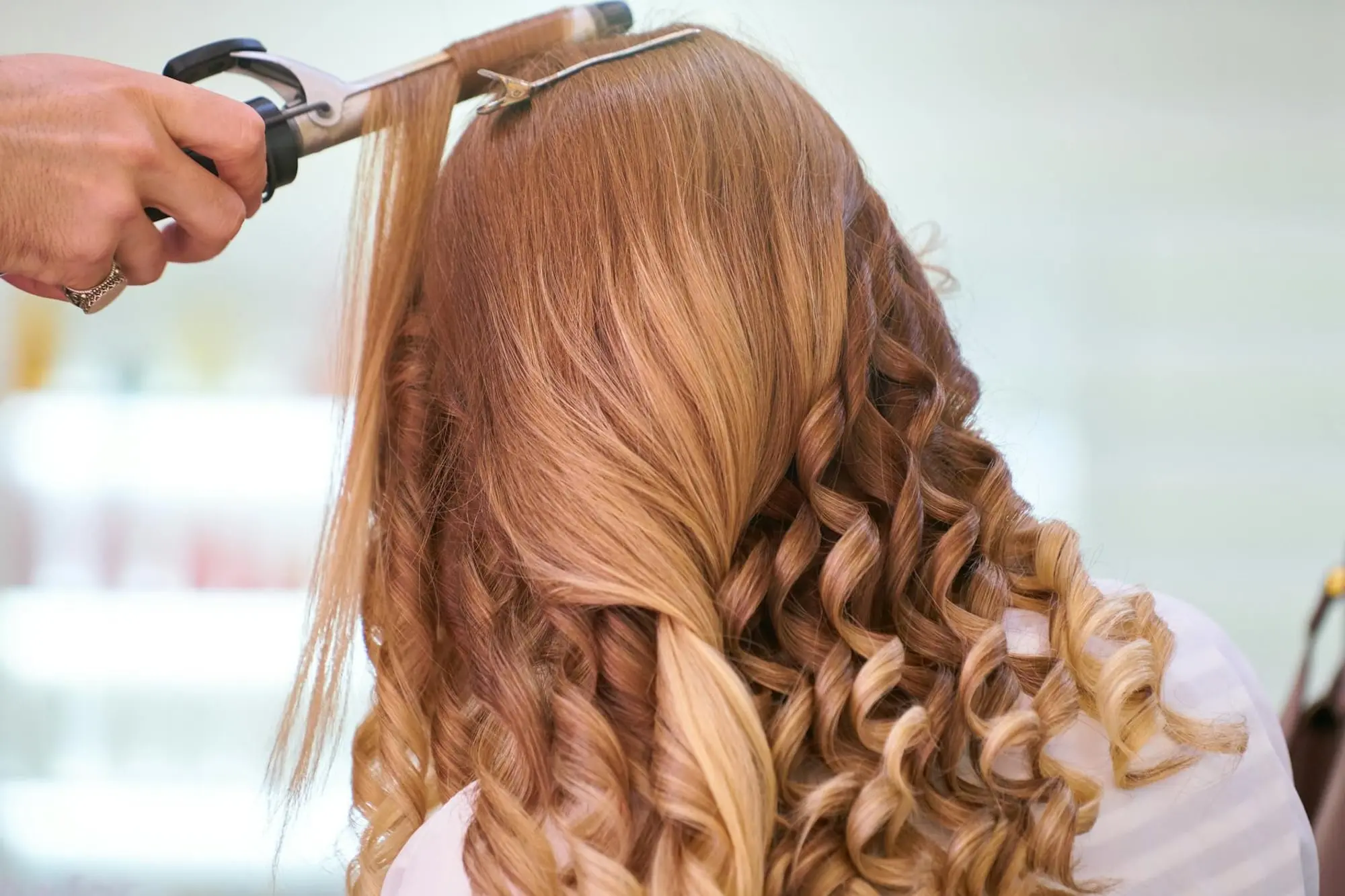
Use a large barrel curling iron (1.5-2 inches) to create loose, irregular waves. Curl sections in alternating directions, then immediately break up the curls with your fingers while they’re still warm.
Essential ’90s blonde styling products:
- Volumizing mousse applied to damp hair
- Texturizing spray for piece-y separation
- Light-hold gel for scrunched wave definition
- Shine serum applied only to mid-lengths and ends
| Technique | Modern Blonde | ’90s Blonde | Key Difference |
|---|---|---|---|
| Section Size | Thin, subtle pieces | Thick, chunky sections | Intentionally obvious contrast |
| Color Placement | Seamless blending | Strategic face-framing | Visible dimension |
| Tone Strategy | Monochromatic | Temperature mixing | Warm and cool balance |
| Styling Finish | Sleek, perfect waves | Textured, lived-in look | Embraced imperfection |
The key is strategic messiness. According to People magazine, the most successful ’90s blonde recreations incorporate slight imperfections that make the color look naturally grown-out and effortlessly cool.
Frequently Asked Questions
How long does DIY ’90s blonde color last compared to salon treatments?
Home color typically lasts 6-8 weeks with proper maintenance, while salon color lasts 8-12 weeks. The key difference is in the initial saturation level and professional toning services that extend color life.
Can you achieve authentic ’90s blonde on dark hair without bleaching?
No, authentic ’90s blonde requires lifting natural pigment by 3-4 levels minimum. High-lift color or bleaching is essential for the dramatic contrast that defines the look. Temporary options won’t create the necessary lightness level.
What’s the biggest mistake people make when attempting ’90s blonde at home?
Using too many light pieces throughout the entire head. Authentic ’90s color concentrates the brightest blonde around the face and leaves 60% of the hair closer to the natural base color for proper contrast.
How do you maintain ’90s blonde without constant touch-ups?
Focus on root touch-ups every 4-6 weeks and use color-depositing shampoo once weekly. The chunky, grown-out nature of ’90s blonde actually looks better with slight root growth, making maintenance easier than modern seamless techniques.
You might also like