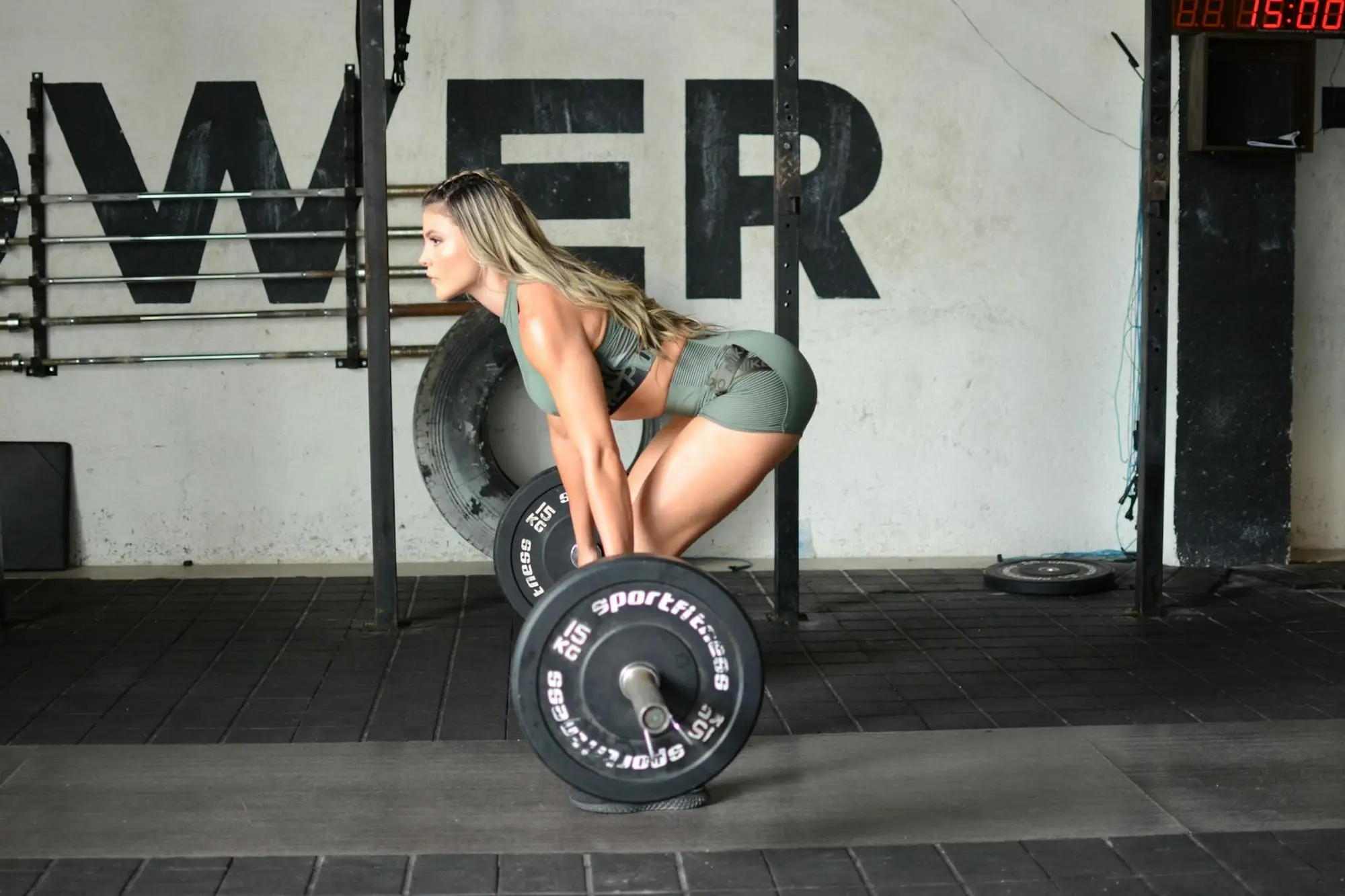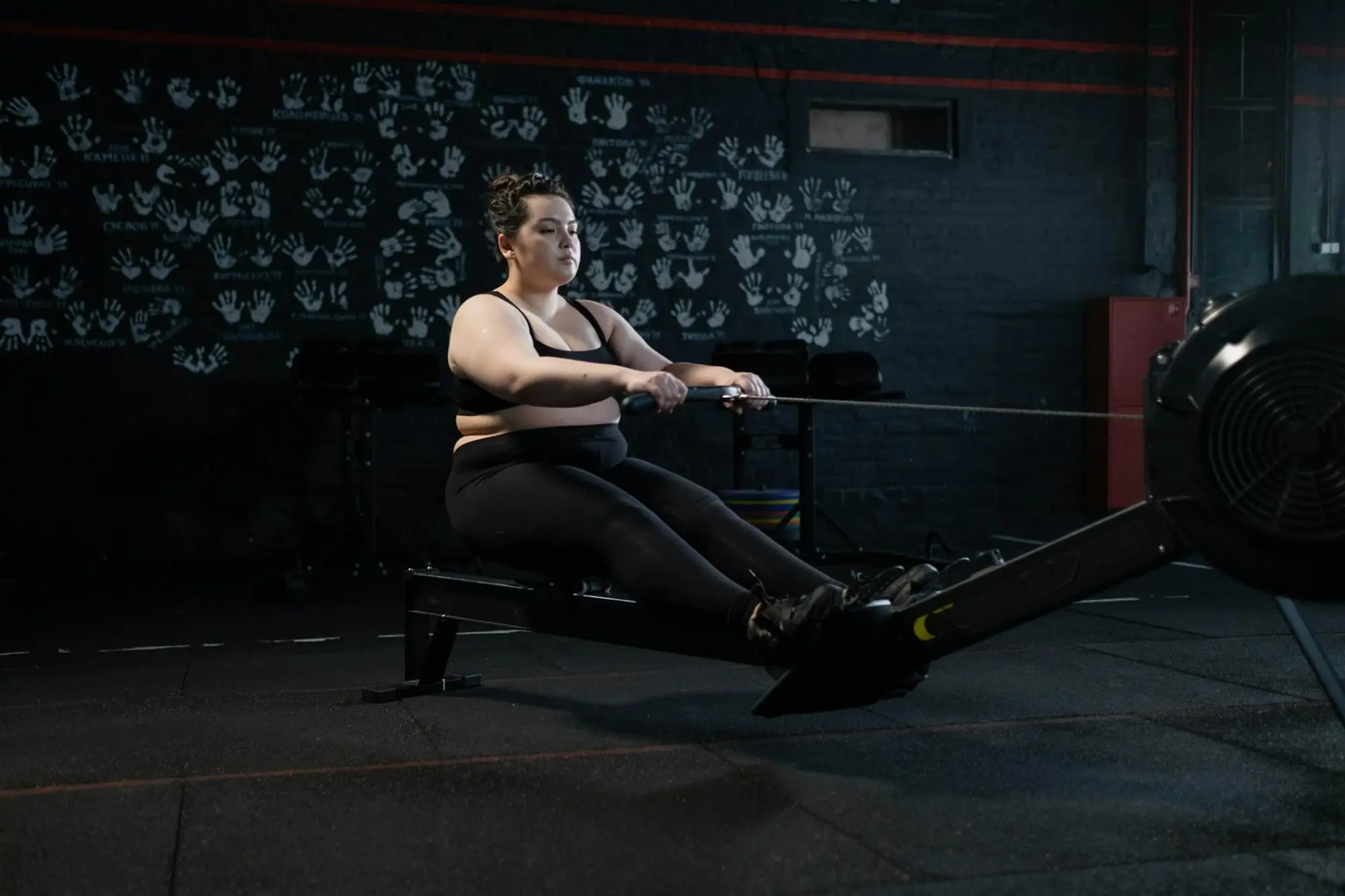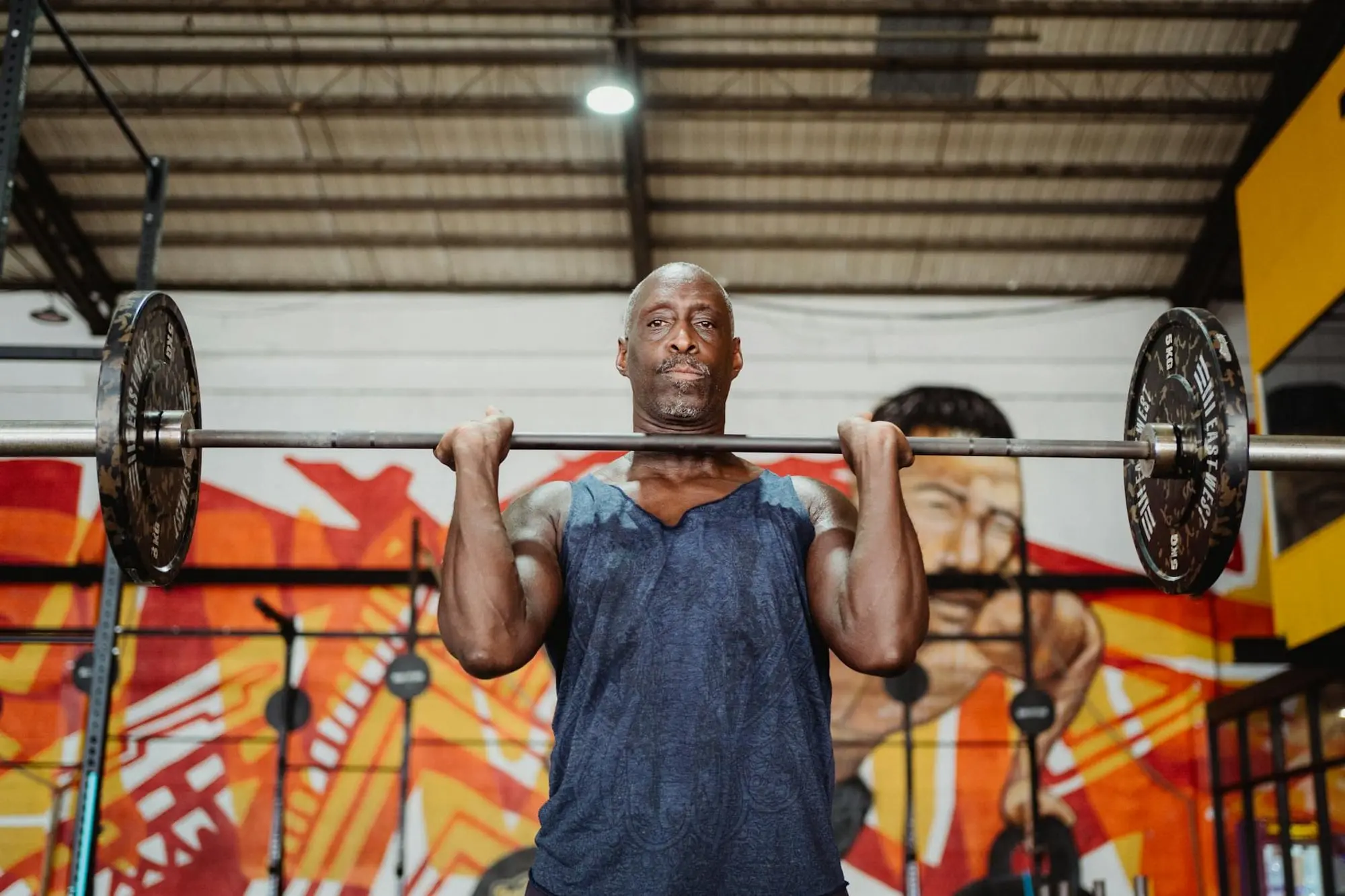
“The biggest mistake I see people make after 40 is thinking they need to drastically change their approach to fitness,” celebrity trainer Kayla Itsines told Shape magazine. “Your body is incredibly adaptable at any age, but you do need to be smarter about recovery and progression.”
The notion that muscle-building becomes impossible after 40 is one of the most persistent myths in fitness. Research from McMaster University shows that adults can continue building significant muscle mass well into their 70s when following proper training protocols. The key lies in understanding how your body’s needs evolve with age and adjusting your strategy accordingly.
Hollywood’s most successful over-40 stars consistently demonstrate that age doesn’t have to mean accepting physical decline. Jennifer Lopez, now 54, continues to showcase incredible strength and muscle definition through strategic training with her longtime trainer Dodd Romero. Similarly, Mark Wahlberg maintains his impressive physique at 52 through disciplined strength training and recovery protocols.
Understanding Your Body’s Changes After 40
Several physiological shifts occur after 40 that directly impact muscle building and strength development. According to research published in the Journal of Applied Physiology, adults lose approximately 3-8% of muscle mass per decade after age 30, with the rate accelerating after 40.
Hormonal changes play a crucial role in this process. Testosterone levels in men decline by roughly 1% per year after age 30, while women experience significant hormonal fluctuations during perimenopause and menopause. Growth hormone production also decreases, affecting recovery time and muscle synthesis.
However, these changes don’t spell doom for your fitness goals. Celebrity trainer Gunnar Peterson, who works with clients like Khloé Kardashian and Sylvester Stallone, emphasizes that proper training can largely counteract age-related muscle loss. “I have clients in their 50s and 60s who are stronger than they were in their 30s,” Peterson told Men’s Health.
Strategic Training Modifications for Maximum Results
The most effective post-40 training programs prioritize progressive overload while incorporating enhanced recovery strategies. Research from the American College of Sports Medicine indicates that compound movements should form the foundation of any mature athlete’s routine.
Frequency and intensity require careful calibration. While younger athletes might benefit from high-frequency training, those over 40 often see better results with 3-4 focused sessions per week. This approach allows adequate recovery time while maintaining training stimulus.
Periodization becomes increasingly important with age. Tracy Anderson, who trains Gwyneth Paltrow and other A-list celebrities, structures her clients’ programs in distinct phases to prevent overuse injuries and maintain motivation. “We cycle through strength, endurance, and mobility phases every 4-6 weeks,” Anderson explained to Vogue.

What the Experts Recommend
Leading fitness professionals consistently advocate for specific training principles when working with clients over 40. Don Saladino, personal trainer to Blake Lively and Ryan Reynolds, emphasizes the importance of movement quality over quantity.
The consensus among top trainers includes several key strategies:
- Prioritize compound movements like squats, deadlifts, and pull-ups for maximum muscle activation
- Incorporate unilateral training to address imbalances that develop over time
- Extend warm-up periods to 10-15 minutes for proper tissue preparation
- Focus on eccentric control during the lowering phase of exercises
- Include dedicated mobility work for at least 10 minutes after each session
- Schedule deload weeks every 4-6 weeks to prevent overtraining
- Emphasize sleep quality with 7-9 hours nightly for optimal recovery
Professional athletes demonstrate these principles in action. Tom Brady famously maintained elite performance until age 45 through his TB12 method, which emphasizes pliability work and strategic recovery. According to ESPN, Brady’s training routine included extensive mobility work and careful load management.
Recovery and Nutrition Strategies
Recovery becomes the limiting factor for most individuals over 40, not training intensity. Research from Harvard Medical School shows that protein synthesis rates slow with age, making post-workout nutrition timing increasingly critical.
Protein requirements increase significantly for adults over 40 who engage in resistance training. The International Society of Sports Nutrition recommends 1.2-2.0 grams per kilogram of body weight, with emphasis on leucine-rich sources immediately post-workout.
Sleep quality directly impacts muscle building capacity. A 2023 study published in the Journal of Clinical Medicine found that adults over 40 who averaged less than 7 hours of sleep nightly showed 40% less muscle protein synthesis compared to those getting 8+ hours.
| Recovery Factor | Recommended Duration | Impact on Muscle Building |
|---|---|---|
| Sleep | 7-9 hours nightly | Essential for hormone production |
| Between Sets | 2-3 minutes | Allows complete ATP restoration |
| Between Sessions | 48-72 hours | Prevents overtraining syndrome |
| Deload Weeks | Every 4-6 weeks | Promotes supercompensation |

Technology and Tools That Make a Difference
Modern fitness technology offers unprecedented advantages for mature athletes tracking their progress and optimizing recovery. Peloton’s strength training programs include specific modifications for different age groups, while apps like MyFitnessPal help monitor crucial nutritional metrics.
Wearable technology provides valuable insights into recovery status. WHOOP straps and similar devices track heart rate variability, allowing users to adjust training intensity based on recovery metrics. According to TechCrunch, adoption of fitness wearables among adults 40+ increased by 78% between 2020 and 2023.
CrossFit has adapted its methodology for older athletes through its Masters division, proving that high-intensity training remains viable with proper scaling. CrossFit Games Masters competitors regularly demonstrate that age doesn’t preclude impressive athletic performance.
Long-term Success Strategies
Consistency trumps intensity for sustainable muscle building after 40. Celebrity trainer Harley Pasternak, who works with Megan Thee Stallion and Lady Gaga, advocates for “minimum effective dose” training that can be maintained year-round rather than extreme programs that lead to burnout.
Progressive overload remains essential but takes different forms with age. Instead of constantly adding weight, mature athletes might progress through increased range of motion, improved form, or enhanced stability challenges. This approach maintains stimulus while reducing injury risk.
Mental health considerations become increasingly important. According to the American Psychological Association, adults who maintain regular strength training after 40 report significantly higher life satisfaction and confidence levels compared to sedentary peers.
Regular health screenings ensure safe training progression. The American Heart Association recommends annual cardiovascular assessments for adults over 40 engaging in vigorous exercise, particularly those new to structured training programs.
How often should I strength train after 40?
Most experts recommend 3-4 sessions per week, focusing on full-body compound movements rather than daily body-part splits. This frequency allows adequate recovery while maintaining training stimulus.
Do I need different supplements after 40?
While whole foods should provide most nutrients, research suggests creatine monohydrate and vitamin D become more beneficial with age. Consult healthcare providers before adding supplements to your routine.
Can I still do high-intensity workouts after 40?
Yes, but with modifications. HIIT remains effective for adults over 40, but sessions should be shorter (15-20 minutes) with longer recovery periods between intervals compared to younger athletes.
How long does it take to build muscle after 40?
Muscle building timelines remain similar to younger adults with proper programming. Most people see noticeable strength gains within 6-8 weeks and visible muscle changes within 12-16 weeks of consistent training.
You might also like