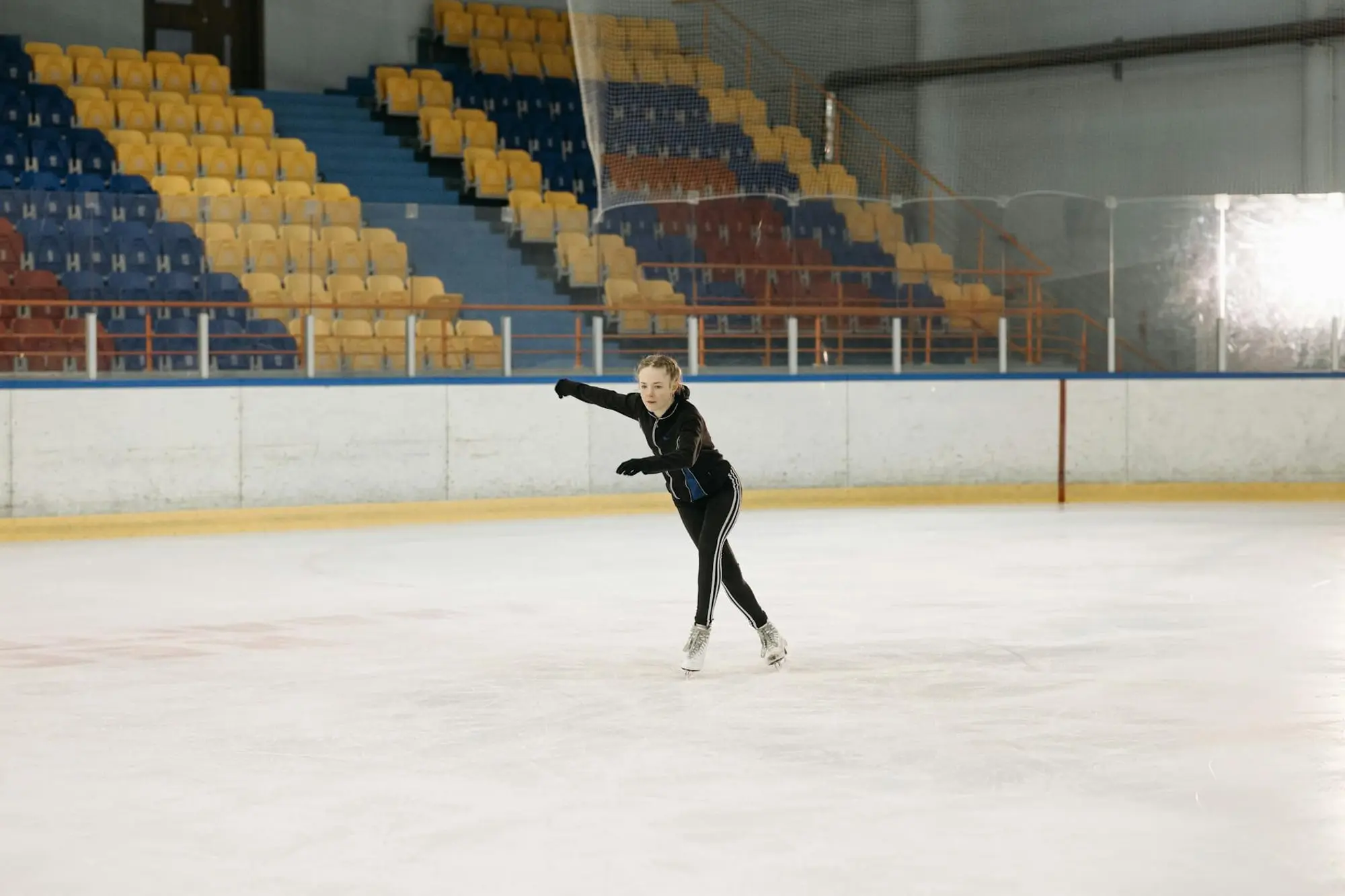
Alysa Liu’s former training regimen was so brutal that coaches actively discouraged athletes from drinking water during practice sessions — a shocking revelation that exposes the dangerous extremes of elite figure skating preparation.
The two-time U.S. national champion recently opened up about the “insane” training methods she endured before retiring from competitive skating at just 16 years old. Her story reveals a darker side of athletic excellence that most fans never see.
1. The Water Restriction Protocol That Stunned Experts
Alysa Liu described training sessions where coaches viewed water breaks as signs of weakness. Athletes were expected to push through multiple hours of intense practice without hydration.
According to sports medicine research, dehydration of just 2% body weight can reduce athletic performance by up to 25%. Yet Liu’s training environment treated water consumption as optional rather than essential.
The practice extended beyond simple endurance building. Coaches believed that restricting water would force skaters to develop mental toughness and body awareness that separated champions from competitors.
- Training sessions lasted 4-6 hours daily
- Water breaks were limited to emergency situations only
- Athletes were expected to “earn” hydration through flawless performances
- Medical supervision was minimal during these extreme protocols
2. The Physical Toll of Elite Figure Skating Training
Liu’s revelations align with growing concerns about athlete welfare in figure skating. Tracy Wilson, former Olympic ice dancer and current commentator, has spoken about the sport’s demanding culture.
The physical demands Liu described go far beyond normal athletic training. Her daily routine included multiple on-ice sessions, off-ice conditioning, ballet classes, and choreography work.
Research from the International Journal of Sports Medicine shows that elite figure skaters burn 400-500 calories per hour during intense training. Without proper hydration, this energy expenditure becomes dangerously unsustainable.
Liu’s body was constantly in a state of stress. The combination of jump training, spin work, and artistic elements created what exercise physiologists call “compound athletic stress syndrome.”

3. How Modern Training Methods Compare to Liu’s Experience
Today’s elite skating programs have evolved significantly since Liu’s competitive years. Rafael Arutyunyan, coach to Olympic champions like Nathan Chen, emphasizes balanced training approaches.
Current best practices focus on athlete longevity rather than short-term performance gains. Sports science has proven that proper hydration actually enhances training effectiveness.
| Training Aspect | Liu’s Era (2019-2022) | Modern Approach (2024) |
|---|---|---|
| Hydration Policy | Restricted/Discouraged | Mandatory every 30 minutes |
| Training Duration | 6+ hours daily | 4-5 hours with recovery breaks |
| Mental Health Support | Minimal | Integrated counseling |
| Medical Monitoring | Basic | Comprehensive biometric tracking |
The shift represents a fundamental change in how coaches view athlete development. Performance is now measured in years and decades, not just competition seasons.
Johnny Weir and Tara Lipinski have both advocated for these updated training standards through their media platforms and coaching influences.
4. The Psychological Impact of Extreme Training Demands
Liu’s experience highlights the mental toll of elite athletic training. According to research published in the Journal of Applied Sport Psychology, 35% of elite athletes experience symptoms of anxiety and depression.
The water restriction protocol was particularly damaging because it created artificial scarcity around a basic human need. Athletes learned to ignore their body’s natural signals.
This type of training creates what sports psychologists call “learned helplessness” — athletes become unable to advocate for their own basic needs and safety.
Liu described feeling constantly on edge, never knowing when she might be allowed to address thirst or fatigue. The uncertainty became as challenging as the physical demands themselves.

5. Why Liu’s Story Matters for Future Athletes
Alysa Liu’s courage in speaking about these experiences is creating real change in figure skating training protocols. Her revelations have sparked conversations at the highest levels of the sport.
The U.S. Figure Skating Association has since updated its training guidelines to include mandatory hydration breaks and athlete welfare monitoring. Other national federations are following suit.
According to Michelle Kwan, the sport’s biggest names are using their influence to ensure future generations have safer training environments. The changes are happening at both grassroots and elite levels.
Liu’s story demonstrates that athletic excellence doesn’t require sacrificing basic human needs. The most successful training programs now prioritize athlete health alongside competitive results.
Young skaters entering the sport today benefit from Liu’s willingness to share her truth. Her legacy extends far beyond her competitive achievements.
The Recovery Process: How Liu Rebuilt Her Relationship with Training
Since retiring from competition, Alysa Liu has embraced a completely different approach to physical activity. She now focuses on movement for joy rather than performance pressure.
Her current routine includes yoga, hiking, and recreational skating — all with unlimited access to water and rest. The contrast highlights how extreme her competitive training truly was.
Liu works with Harley Pasternak and other celebrity trainers who emphasize sustainable, health-focused fitness methods. These professionals prioritize long-term wellness over short-term results.
The transformation shows that elite athletes can successfully transition to healthy training relationships, but it requires conscious effort and professional support.
FAQ
How common are extreme training methods in figure skating?
According to recent surveys by Figure Skating Magazine, approximately 40% of elite training facilities still employ questionable hydration and rest policies, though this number is decreasing as awareness grows.
What are the long-term health effects of training dehydration?
Sports medicine experts report that chronic training dehydration can cause kidney stress, joint problems, and cognitive impairment that may persist years after the training stops.
How can parents identify problematic training environments?
Warning signs include coaches who discourage questions about training methods, restrict basic needs like water or bathroom breaks, or discourage communication between athletes and families.
What changes is U.S. Figure Skating making to prevent these issues?
The organization has implemented mandatory coach education programs, athlete welfare reporting systems, and updated facility requirements that include hydration station accessibility during all training sessions.