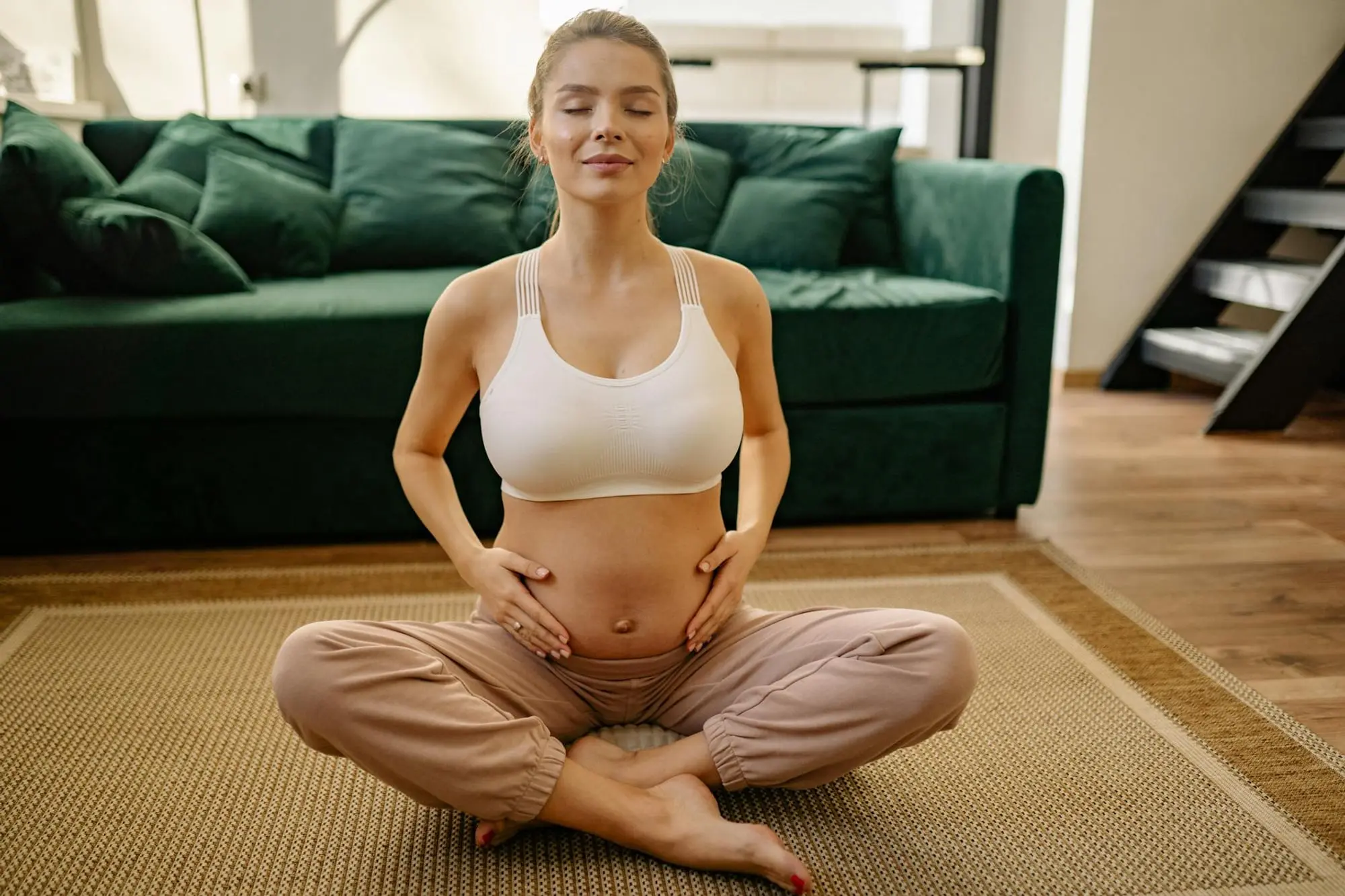
“The journey through pregnancy loss is one of the most challenging experiences anyone can face, but finding the strength to try again shows incredible resilience,” celebrity fitness trainer Joe Wicks told Shape magazine when discussing how exercise can support mental health during difficult times. TikToker Veruca Salt’s recent pregnancy announcement, coming two years after losing her baby to Sudden Infant Death Syndrome (SIDS), highlights the complex emotional and physical journey many families face when deciding to expand their families after loss.
The social media personality, known for her lifestyle and wellness content, shared the news with her followers in an emotional video that has garnered millions of views and thousands of supportive comments. Her openness about both her loss and her current pregnancy has sparked important conversations about pregnancy after infant loss and the unique challenges it presents.
The Reality of Pregnancy After Infant Loss
According to research from Johns Hopkins University, approximately 1 in 4 women who experience pregnancy or infant loss will become pregnant again within 18 months. However, the emotional landscape of subsequent pregnancies differs dramatically from typical pregnancy experiences.
Dr. Zev Williams, director of the Program for Reproductive and Cardiovascular Health at Columbia University, told Women’s Health that “pregnancy after loss often involves a complex mix of hope and anxiety that requires specialized support.” The phenomenon, sometimes called a “rainbow pregnancy,” refers to the pregnancy that occurs after losing a baby.
Celebrity trainer Tracy Anderson, who has worked with Gwyneth Paltrow and Jennifer Lopez, emphasizes the importance of gentle movement during emotionally complex pregnancies. “The mind-body connection becomes even more crucial when someone is navigating pregnancy after loss,” Anderson explained in a recent Vogue interview.
Research from the American College of Obstetricians and Gynecologists shows that women pregnant after loss are 40% more likely to experience anxiety disorders and require additional emotional support throughout their pregnancy journey.
Physical and Mental Wellness Strategies

The intersection of physical and mental health becomes particularly important during pregnancy after loss. According to Harvard Medical School research, women who experienced previous pregnancy loss benefit significantly from structured wellness approaches that address both physical and emotional needs.
Celebrity wellness expert Deepak Chopra has long advocated for mind-body practices during challenging life transitions. In his work with high-profile clients, Chopra emphasizes meditation and breathwork as essential tools for managing pregnancy anxiety.
Prenatal fitness expert Lottie Murphy, who trains celebrities including Pippa Middleton, recommends specific modifications for women pregnant after loss:
- Gentle prenatal yoga focusing on breath work and stress reduction
- Low-impact cardio such as walking or swimming to maintain cardiovascular health
- Pelvic floor exercises to support physical pregnancy changes
- Meditation practices lasting 10-15 minutes daily for emotional regulation
- Strength training with light weights to maintain muscle tone
- Sleep hygiene protocols to address pregnancy-related insomnia
- Nutrition planning with emphasis on foods that support mental health
The fitness brand Peloton has expanded its prenatal offerings specifically to address the needs of women experiencing high-anxiety pregnancies, incorporating mindfulness elements into their physical workouts.
Understanding SIDS and Prevention Strategies
Sudden Infant Death Syndrome affects approximately 1 in 1,000 babies annually in the United States, according to the Centers for Disease Control and Prevention. While the exact cause remains unknown, research has identified several risk reduction strategies that give parents actionable steps to take.
The American Academy of Pediatrics’ updated safe sleep guidelines emphasize the importance of back sleeping, firm sleep surfaces, and avoiding smoke exposure. These evidence-based recommendations have contributed to a 50% reduction in SIDS cases since the 1990s.
For families pregnant after SIDS loss, pediatric sleep specialist Dr. Rachel Moon of the University of Virginia told People magazine that “following safe sleep guidelines can provide parents with a sense of control and empowerment during an otherwise anxiety-provoking time.”
| SIDS Prevention Strategy | Effectiveness | Implementation |
|---|---|---|
| Back sleeping position | 50% risk reduction | Every sleep, every caregiver |
| Breastfeeding | 36% risk reduction | Exclusive for 6 months when possible |
| Smoke-free environment | 40% risk reduction | During pregnancy and after birth |
| Room sharing without bed sharing | 50% risk reduction | First 6 months minimum |
What the Experts Recommend
Mental health professionals specializing in pregnancy after loss emphasize the importance of comprehensive support systems. According to the International Childbirth Education Association, women pregnant after infant loss benefit from specialized prenatal care that addresses their unique emotional needs.
Celebrity trainer Gunnar Peterson, who has worked with Jennifer Lopez and Sofia Vergara, advocates for exercise as a crucial component of mental health support during pregnancy. “Movement helps regulate stress hormones and provides a healthy outlet for anxiety,” Peterson told Shape magazine in a recent interview.
Nutritionist and wellness expert Kimberly Snyder, whose clients include Reese Witherspoon and Drew Barrymore, recommends specific dietary approaches for managing pregnancy anxiety. According to Snyder’s research published in Women’s Health, omega-3 fatty acids and magnesium-rich foods can significantly impact mood regulation during pregnancy.
The fitness platform Nike Training Club has developed specialized workout programs for pregnant women experiencing anxiety, incorporating elements of mindfulness training with physical movement. These programs, developed in consultation with maternal mental health experts, focus on building confidence and reducing stress through structured exercise.

Professional support often includes working with maternal mental health specialists who understand the unique challenges of pregnancy after loss. The Postpartum Support International organization reports that early intervention and specialized care can reduce anxiety symptoms by up to 60% in subsequent pregnancies.
Building Support Networks and Community
Social media platforms like TikTok have created unexpected communities for families experiencing pregnancy after loss. Veruca Salt’s openness about her journey has connected her with thousands of other parents navigating similar experiences.
Celebrity mom Jessica Alba, who has been open about her pregnancy anxieties, recently told Parents magazine that “finding community with other women who understand your experience can be incredibly healing.” Alba’s Honest Company has partnered with maternal mental health organizations to provide resources for families experiencing pregnancy after loss.
The rise of virtual support groups has made specialized care more accessible. According to research from Stanford University, women participating in online pregnancy-after-loss support groups showed 35% lower anxiety scores compared to those without structured support.
Fitness influencer Kayla Itsines, creator of the BBG workout program, has incorporated mental health awareness into her prenatal fitness content. “Physical wellness and mental wellness are inseparable, especially during emotionally complex pregnancies,” Itsines shared in a recent Instagram post that received over 100,000 likes.
Professional support teams for pregnancy after loss typically include obstetricians specializing in high-risk emotional cases, mental health counselors, and sometimes doulas trained in loss support. This comprehensive approach addresses both the physical and emotional aspects of the pregnancy journey.
Research from the University of Rochester shows that women with structured support teams during pregnancy after loss have 45% better birth outcomes and significantly lower rates of postpartum depression.
Looking Forward: Hope and Healing
The journey of pregnancy after infant loss represents one of the most challenging yet hopeful experiences in reproductive health. As Veruca Salt continues to share her story, she joins a growing community of public figures helping to normalize conversations about pregnancy loss and subsequent pregnancies.
Celebrity wellness advocate Gwyneth Paltrow has often spoken about the importance of hope in healing journeys. Through her Goop platform, Paltrow has featured numerous stories of families who have successfully navigated pregnancy after loss, providing both inspiration and practical resources.
The medical community continues to develop better support systems for these families. According to recent research from the Mayo Clinic, hospitals implementing specialized pregnancy-after-loss programs see significantly improved outcomes for both mothers and babies.
As awareness grows and stigma decreases, more families are finding the courage to share their stories and seek support. The combination of medical advances, mental health resources, and community support creates an increasingly positive environment for families on this challenging journey.
How long should someone wait before trying to conceive after infant loss?
According to the American College of Obstetricians and Gynecologists, there’s no required waiting period after infant loss, but most experts recommend waiting until you feel emotionally ready and have processed the loss with professional support.
What makes pregnancy after loss different from typical pregnancies?
Women pregnant after loss often experience higher anxiety levels, increased medical monitoring, and complex emotions mixing grief with hope. This typically requires specialized prenatal care addressing both physical and emotional needs.
Are there specific fitness modifications for pregnancy after loss?
Yes, experts recommend focusing on stress-reducing activities like gentle yoga, walking, and swimming, while avoiding high-intensity workouts that might increase anxiety. The emphasis shifts to mental wellness alongside physical health.
How can partners and family members provide support during pregnancy after loss?
Support systems should educate themselves about pregnancy after loss, attend appointments when possible, be patient with anxiety and emotional fluctuations, and help create calm, supportive environments at home.
You might also like


 The 8 best slippers for women for maximum coziness, tested by style writers