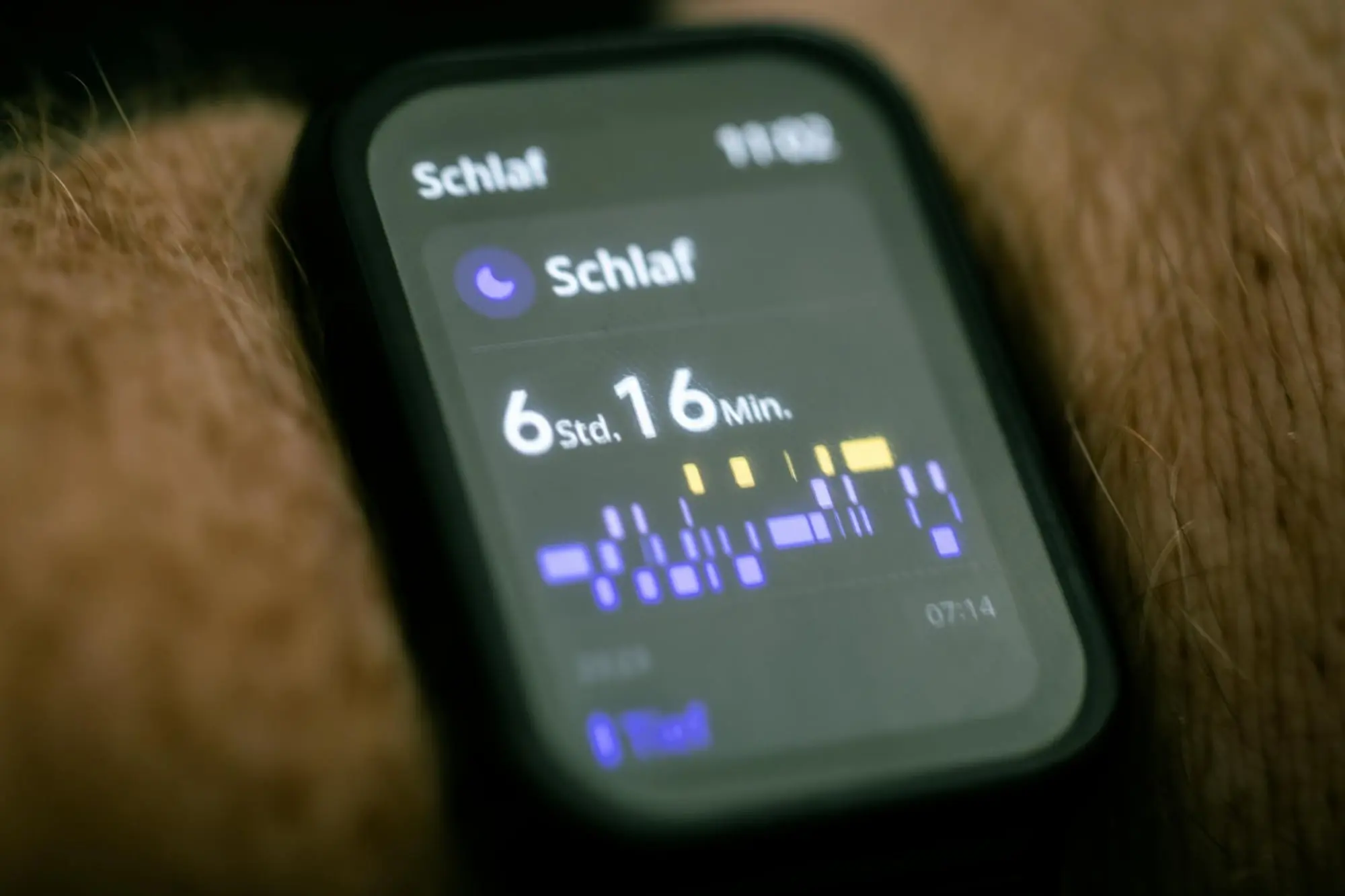
Nearly 35% of Americans who use sleep trackers actually sleep worse than before they started tracking — a phenomenon sleep researchers are calling “orthosomnia,” or the obsession with achieving perfect sleep data that ironically destroys quality rest.
This revelation has rocked the wellness world, especially among A-listers like Gwyneth Paltrow and LeBron James who’ve publicly championed their Oura rings and WHOOP straps. But according to a 2024 study published in the Journal of Clinical Sleep Medicine, sleep trackers aren’t the universal solution we thought they were. Some people thrive with the data, while others spiral into anxiety-driven insomnia.
1. The Data-Driven Sleepers Who Actually Benefit
Athletes and high performers represent the sweet spot for sleep tracker success. According to Shape magazine, professional athletes like Tom Brady and Serena Williams use devices like the WHOOP Strap 4.0 to optimize recovery between training sessions.
Research shows these individuals benefit because they:
- Already have structured sleep schedules
- View data objectively without emotional attachment
- Use metrics to make concrete lifestyle adjustments
- Have support teams to interpret complex sleep stages
Celebrity trainer Harley Pasternak, who works with stars like Jessica Simpson and Lady Gaga, tells Women’s Health that his clients who succeed with trackers treat sleep data like workout metrics. They analyze, adjust, and move on — no midnight anxiety spirals about REM percentages.
The key differentiator? Goal-oriented personalities who can compartmentalize information without letting it consume their thoughts at 2 AM.
2. Why Anxious Sleepers Should Skip the Tech
Here’s the brutal truth: If you’re already a worried sleeper, trackers will likely make everything worse. Sleep specialists report seeing increasing numbers of patients obsessing over their sleep scores instead of actually sleeping.
Dr. Seema Khosla, a pulmonologist and spokesperson for the American Academy of Sleep Medicine, warns that anxious individuals often become fixated on achieving “perfect” numbers. They’ll lie awake wondering why their deep sleep percentage dropped or panic about a lower recovery score.

The problematic behaviors include:
- Checking sleep data immediately upon waking
- Comparing nightly scores and catastrophizing “bad” nights
- Adjusting bedtime routines obsessively based on minor data fluctuations
- Losing trust in their body’s natural sleep cues
Fitbit and Apple Watch users report this phenomenon most frequently, according to research from Northwestern Medicine. The constant notifications and easily accessible data create a feedback loop of sleep anxiety.
3. The Sweet Spot: Who Gets Maximum Tracker Benefits
According to Vogue, celebrities like Jennifer Aniston and Matthew McConaughey use sleep trackers strategically — checking data weekly, not nightly. This approach maximizes insights while minimizing obsession.
The ideal sleep tracker candidates share specific traits:
- Natural optimizers who enjoy data without emotional attachment
- Shift workers or frequent travelers needing objective sleep quality measures
- People with diagnosed sleep disorders working with medical professionals
- Fitness enthusiasts already tracking other health metrics consistently
Celebrity trainer Tracy Anderson, who trains Gwyneth Paltrow and Jennifer Lopez, recommends the Oura Ring for clients who want comprehensive health data. But she emphasizes that successful tracker users focus on trends, not individual nights.
A 2024 study found that people who check their sleep data less than three times per week show improved sleep quality over six months. Daily checkers showed declining sleep satisfaction and increased bedtime anxiety.
4. The Technology That Actually Works (And What Doesn’t)
Not all sleep trackers are created equal — and some are downright counterproductive for certain personality types. Here’s the breakdown based on recent testing by Consumer Reports and sleep medicine research:
| Device Type | Best For | Worst For |
|---|---|---|
| WHOOP Strap 4.0 | Athletes tracking recovery | Casual users (overwhelming data) |
| Oura Ring Gen 3 | Health-focused individuals | People with device anxiety |
| Apple Watch Series 9 | iPhone users wanting basic insights | Those seeking medical-grade accuracy |
| Fitbit Sense 2 | Budget-conscious beginners | Users wanting minimal notifications |
According to People magazine, Chrissy Teigen recently ditched her Apple Watch for sleep tracking after realizing the notifications were disrupting her rest more than helping. She switched to keeping her phone in another room entirely.
The most successful approach? Choose simpler metrics over comprehensive data dumps. Sleep duration and consistency matter more than detailed REM analysis for most people.

5. The Alternative Approach That’s Gaining Celebrity Traction
Manual sleep journaling is making a comeback among wellness-focused celebrities who’ve abandoned digital tracking. According to Harper’s Bazaar, stars like Arianna Huffington and Tim Cook now prioritize consistent sleep schedules over data collection.
The low-tech approach involves:
- Rating sleep quality on a simple 1-10 scale each morning
- Noting major lifestyle factors (caffeine, exercise, stress levels)
- Tracking bedtime and wake time consistency
- Identifying patterns over weeks, not individual nights
Celebrity trainer Gunnar Peterson, who works with the Kardashians and numerous athletes, tells his clients that consistency beats optimization every time. He recommends focusing on the same bedtime and wake time seven days a week before worrying about sleep stages.
Research from the Sleep Foundation shows that people using manual tracking methods report higher sleep satisfaction and lower bedtime anxiety compared to wearable device users. The key is removing the real-time pressure while maintaining awareness of sleep patterns.
—
Frequently Asked Questions
Should I wear my fitness tracker to bed if I’m already a good sleeper?
If you sleep well consistently and aren’t anxious about health data, sleep tracking can provide interesting insights. Just commit to checking data weekly, not daily, to avoid developing obsessive habits.
Which celebrities have publicly quit using sleep trackers?
Chrissy Teigen, Arianna Huffington, and several professional athletes have stepped back from constant sleep monitoring, citing increased anxiety and reduced sleep quality as primary reasons for the change.
Can sleep trackers actually diagnose sleep disorders?
No. While devices like the Oura Ring and WHOOP provide valuable data trends, they cannot replace medical sleep studies for diagnosing conditions like sleep apnea or restless leg syndrome.
What’s the biggest mistake people make with sleep trackers?
Checking their sleep data immediately upon waking and letting poor scores affect their mood and energy levels. Sleep specialists recommend reviewing data during daytime hours, if at all.