
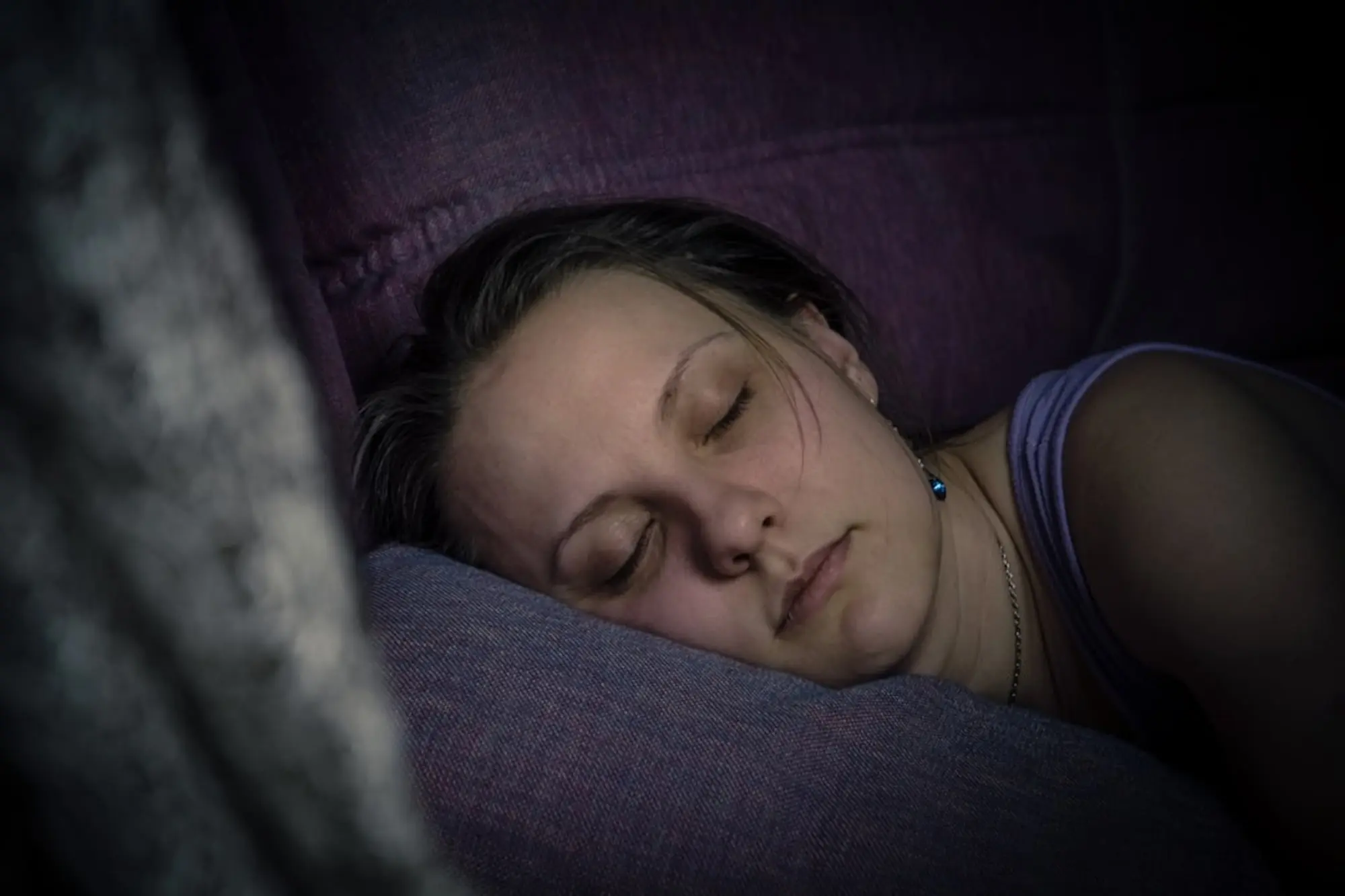
Alex had tried everything. The blackout curtains, the white noise machine, even those expensive silk pajamas that promised “hotel-quality rest.” Yet every morning felt like climbing out of quicksand—groggy, sluggish, and wondering why eight hours in bed felt like four hours of actual sleep.
Sound familiar? Alex’s struggle isn’t unique. Despite spending roughly a third of our lives sleeping, most of us are doing it wrong. We’ve been operating under outdated sleep advice that focuses on duration over quality, leading to that frustrating cycle of feeling tired despite getting “enough” sleep.
But recent sleep research has uncovered a fascinating truth: it’s not just about how long you sleep, but how you sleep. Scientists have identified specific patterns and practices that can transform your nights from restless tossing into genuinely restorative rest.
The Temperature Sweet Spot That Changes Everything

Alex’s breakthrough came from an unexpected source—her thermostat. After years of bundling up in warm pajamas under heavy blankets, she learned that her body had been fighting an uphill battle every night.
Research shows that your core body temperature naturally drops by 2-3 degrees Fahrenheit as you prepare for sleep. When your bedroom is too warm, you’re essentially working against millions of years of evolution. The magic number? Between 65-68°F (18-20°C).
A 2023 study found that people who maintained this temperature range fell asleep 37% faster and experienced 23% more deep sleep phases compared to those in warmer rooms. Alex dropped her thermostat to 66°F and noticed the difference within three nights—no more midnight sheet-kicking or waking up in a sweaty tangle of blankets.
The science behind this i

s elegantly simple. Your brain interprets the temperature drop as a signal to release melatonin and slow down metabolic processes. When you’re too warm, your body stays in a more alert state, even when your mind wants to rest.
The 90-Minute Rule That Replaced the 8-Hour Myth
Here’s where Alex’s sleep story gets really interesting. She discovered that her 6.5 hours of strategic sleep left her more energized than her previous 8-hour marathons. The secret? Understanding sleep cycles.
Your brain doesn’t sleep uniformly throughout the night. Instead, it moves through predictable 90-minute cycles, alternating between light sleep, deep sleep, and REM (rapid eye movement) sleep. Waking up in the middle of deep sleep—regardless of how many hours you’ve been in bed—leaves you feeling like you’ve been hit by a truck.
The new approach focuses on multiples of 90 minutes. Instead of aiming for exactly 8 hours, try 6 hours (4 cycles), 7.5 hours (5 cycles), or 9 hours (6 cycles). Alex started setting her alarm for 7.5 hours after her intended bedtime, and the difference was remarkable—she began waking up naturally just minutes before her alarm, feeling genuinely refreshed.
Sleep researchers estimate that timing your wake-up with the end of a sleep cycle can improve morning alertness by up to 50%. It’s not magic; it’s just working with your brain’s natural rhythm instead of against it.
The Evening Light Protocol That Resets Your Internal Clock
Alex’s next discovery revolutionized her entire evening routine. She learned that her beloved phone scrolling and late-night Netflix binges weren’t just bad habits—they were actively sabotaging her sleep architecture.
Blue light exposure after sunset disrupts melatonin production for up to three hours. But the solution isn’t just avoiding screens; it’s strategically managing light throughout your evening. The most effective approach involves three distinct phases:
- Sunset to 2 hours before bed: Dim all overhead lights and switch to warm, amber lighting
- 2 hours before bed: Eliminate screens or use blue light blocking glasses
- 1 hour before bed: Use only red-tinted light or candlelight
- 30 minutes before bed: Complete darkness or eye masks
- Morning: Expose yourself to bright light within 30 minutes of waking
- Midday: Get at least 15 minutes of natural sunlight
- Evening: Begin dimming lights gradually after sunset
This protocol helped Alex’s body rediscover its natural circadian rhythm. Within two weeks, she found herself naturally feeling sleepy around 10 PM instead of getting that dreaded “second wind” that used to keep her wired until midnight.
The Pre-Sleep Body Scan That Quiets Mental Chatter
The final piece of Alex’s sleep transformation addressed something many sleep guides overlook: the transition period. Even with perfect temperature and lighting, her mind would race with tomorrow’s to-do list or replay conversations from the day.
The solution came from sleep clinics that use a technique called progressive muscle relaxation, updated for modern sleep science. Rather than traditional meditation, this approach systematically releases physical tension to signal mental calm.
Starting from your toes and moving upward, you deliberately tense each muscle group for 5 seconds, then release. The contrast between tension and relaxation triggers a measurable drop in cortisol levels. A 2023 study found that people using this technique fell asleep 40% faster than those who simply “tried to relax.”
Alex modified this approach by combining it with gratitude reflection—acknowledging three specific positive moments from her day while releasing tension from each muscle group. This dual process gave her racing mind a structured task while preparing her body for rest.
The Recovery Rules for Bad Sleep Nights
Even with perfect sleep hygiene, life happens. Stress, travel, or illness can disrupt your best-laid sleep plans. Alex learned that how you handle these disruptions matters as much as your regular routine.
The key insight: resist the urge to “catch up” with longer sleep the next night. This actually destabilizes your circadian rhythm and can trigger a cycle of poor sleep. Instead, maintain your regular bedtime and wake time, but incorporate strategic recovery techniques throughout the following day.
| Recovery Strategy | Timing | Expected Impact |
|---|---|---|
| 10-20 minute power nap | 1-3 PM only | Restores 2-3 hours of lost sleep |
| Extended morning light exposure | Within 1 hour of waking | Reinforces circadian rhythm reset |
| Gentle movement or stretching | Late afternoon | Reduces stress hormones from sleep debt |
| Earlier dinner (3+ hours before bed) | 6-7 PM | Prevents digestive interference with sleep |
These strategies helped Alex bounce back from occasional poor nights without derailing her overall sleep quality. The crucial element is consistency—treating bad nights as temporary disruptions rather than reasons to abandon your sleep routine entirely.
Alex’s transformation didn’t happen overnight, but the changes were undeniable. Her afternoon energy crashes disappeared. Her morning workouts became something she looked forward to rather than dreaded. Even her relationships improved as her naturally sunny disposition returned.
The most surprising change? Sleep became something she enjoyed rather than endured. Instead of viewing bedtime as lost time, she began appreciating it as the foundation that made everything else in her life more vibrant and meaningful.
How long does it take to see results from these new sleep rules?
Most people notice improved energy within 3-5 days of implementing temperature and timing changes. Full circadian rhythm adjustment typically takes 2-3 weeks of consistent practice.
What if I’m a natural night owl or early bird?
Your chronotype matters, but these principles apply regardless of your preferred sleep schedule. Night owls should still maintain the 90-minute cycle rule and temperature control, just shifted to their natural timing.
Can I use sleep tracking devices to optimize these techniques?
Sleep trackers can help you identify your personal 90-minute cycle patterns, but focus on how you feel upon waking rather than getting obsessed with the data. Subjective sleep quality often matters more than perfect metrics.
What about naps—do they interfere with nighttime sleep?
Strategic 10-20 minute naps between 1-3 PM can actually enhance nighttime sleep quality. Avoid naps after 4 PM or longer than 30 minutes, as these can disrupt your natural sleep drive.
You might also like


 Olympic snowboarder Nick Baumgartner shares longevity secrets and dream-chasing wisdom
 The complete Mediterranean diet food list for beginners — nutritionists share essentials