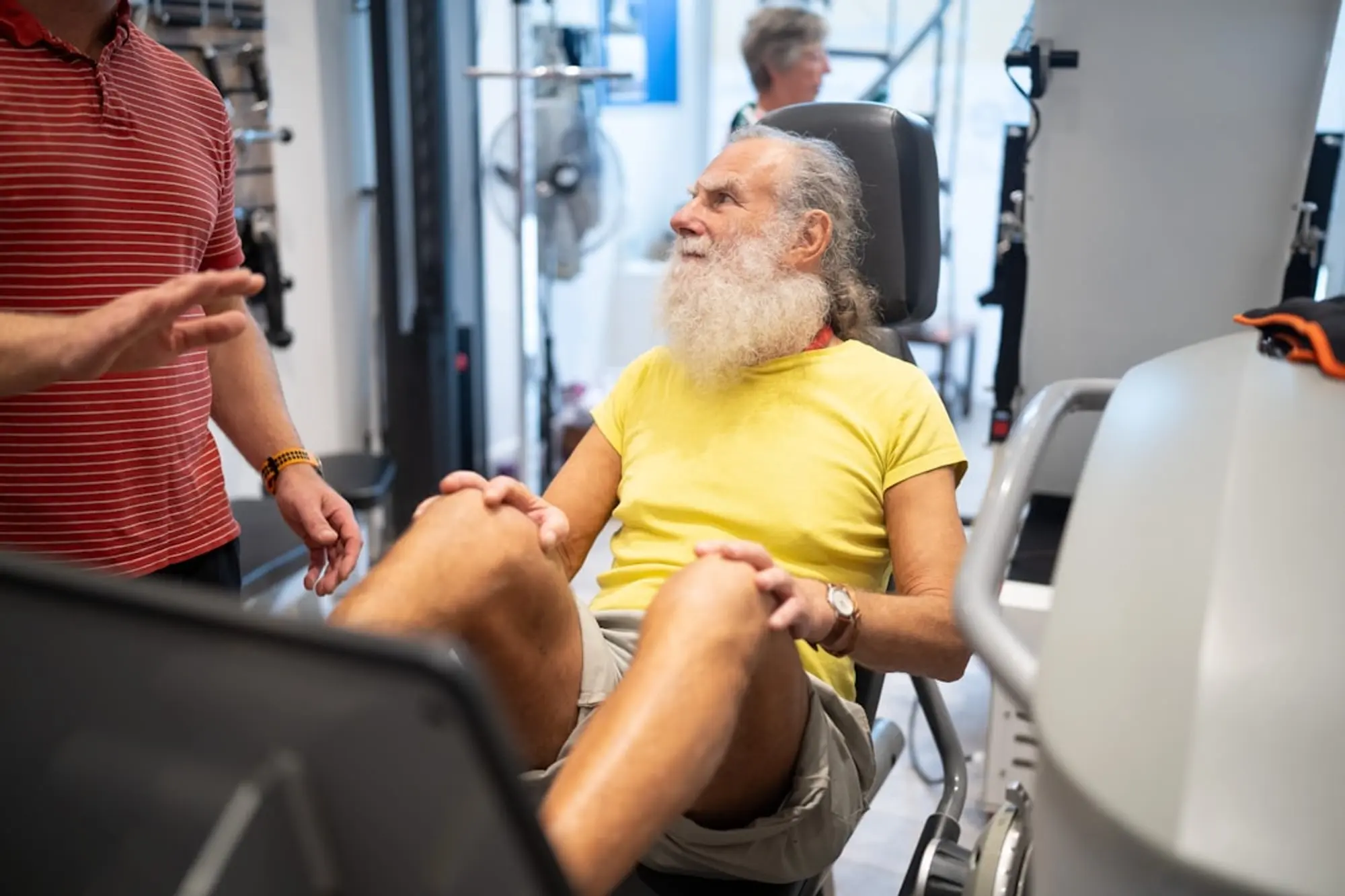
“The footwear you choose for lifting can make or break your performance and safety in the weight room,” says Dr. Rachel Kim, an exercise physiologist at the Institute for Sports Performance Research. “While running shoes aren’t necessarily dangerous for lifting, they’re fundamentally designed for a completely different type of movement pattern.”
The debate over proper footwear for weightlifting has intensified as more fitness enthusiasts cross-train between cardio and strength activities. According to recent surveys from fitness equipment manufacturers, approximately 68% of gym-goers wear the same athletic shoes for both running and weightlifting sessions.
The Science Behind Footwear and Lifting Performance

Research from the Journal of Strength and Conditioning Research reveals that shoe selection significantly impacts lifting mechanics and force transfer. Running shoes feature elevated heels, typically 8-12mm higher than the toe, along with substantial cushioning designed to absorb impact during forward locomotion.
“When you’re lifting weights, particularly during compound movements like squats and deadlifts, you want maximum stability and ground contact,” explains Dr. Kim. Studies show that excessive cushioning can reduce proprioception—your body’s awareness of position and movement—by up to 23% during static lifting positions.
The compressible midsole materials in running shoes, while excellent for absorbing repet

itive impact, create an unstable platform during heavy lifts. A 2023 biomechanical analysis found that lifters wearing running shoes demonstrated 15% more lateral ankle movement during squats compared to those in flat, firm-soled shoes.
How Running Shoes Affect Different Types of Lifts
The impact of running shoes varies significantly depending on the specific exercise being performed. According to movement specialists, certain lifts are more compromised than others when performed in cushioned footwear.
Squats and lunges suffer the most from running shoe cushioning. Research indicates that the elevated heel position can shift weight distribution forward, potentially increasing knee stress by 12-18%. The unstable base also reduces the ability to generate maximum force through the ground.
Deadlifts present unique challenges when performed in running shoes. The elevated heel effectively increases the distance the bar must travel, making the lift mechanically less efficient. Studies from strength coaching organizations show that switching from running shoes to flat shoes can improve deadlift performance by an average of 8-12 pounds in intermediate lifters.
Overhead movements like shoulder presses and Olympic lifts require exceptional stability. According to biomechanical research, the soft midsole of running shoes increases postural sway by up to 34% during overhead positions, potentially compromising both performance and safety.

The Real Risks: What Exercise Scientists Say
While using running shoes for lifting isn’t catastrophically dangerous for most recreational lifters, exercise physiologists have identified several concerning trends. Dr. Kim notes that the primary risks involve gradual compensation patterns rather than acute injuries.
“We see lifters unconsciously adjusting their movement patterns to accommodate unstable footwear,” she explains. “Over time, these compensations can lead to muscle imbalances and joint stress.” A longitudinal study tracking 400 gym members over 18 months found that those who consistently lifted in running shoes reported 23% more instances of knee discomfort and 19% more ankle instability issues.
The force transfer inefficiency created by cushioned soles also limits strength development potential. Research from sports performance labs indicates that lifters can generate 7-15% more ground reaction force when wearing appropriate footwear, translating to measurably better strength gains over time.
Balance and proprioception deficits represent another significant concern. According to vestibular research, the thick, soft soles of running shoes can impair the foot’s ability to sense ground contact and position, leading to increased reliance on visual cues for balance during lifts.
When Running Shoes Might Be Acceptable
Despite the general recommendation against using running shoes for lifting, exercise physiologists acknowledge certain scenarios where they may be tolerable or even preferable. Understanding these exceptions helps lifters make informed decisions based on their specific circumstances and goals.
Beginner lifters using very light weights may not experience significant performance decrements, according to Dr. Kim. “When someone is just learning movement patterns with bodyweight or minimal resistance, footwear becomes less critical than proper form development.”
Individuals with specific mobility limitations might benefit from the heel elevation provided by running shoes. Research shows that lifters with limited ankle dorsiflexion can achieve better squat depth when wearing shoes with 10-15mm heel elevation, though dedicated lifting shoes would be more appropriate.
Machine-based exercises are generally less affected by footwear choice since the equipment provides stability and predetermined movement paths. Studies indicate that leg press, seated rows, and similar exercises show minimal performance differences between shoe types.

What the Experts Recommend
Exercise physiologists and strength coaches have developed clear guidelines for optimal lifting footwear based on decades of research and practical experience. These recommendations prioritize safety, performance, and long-term development.
For serious lifters and those handling heavy weights, dedicated weightlifting shoes represent the gold standard. These shoes feature incompressible soles, elevated heels (typically 0.75-1 inch), and secure strapping systems. Research from Olympic training centers shows that weightlifting shoes can improve squat depth by 15-20% while maintaining optimal torso positioning.
For budget-conscious gym-goers, flat-soled shoes like Converse Chuck Taylors or similar canvas sneakers provide adequate stability. A comparative study found that basic flat shoes performed within 3-5% of dedicated lifting shoes for most exercises, making them an excellent compromise option.
Barefoot lifting has gained popularity among some strength coaches, particularly for deadlifts and squats. According to foot biomechanics research, barefoot lifting maximizes ground contact and proprioception, though gym policies and personal comfort may limit this option.
Key characteristics of appropriate lifting footwear include:
- Minimal heel-to-toe drop (ideally 0-4mm)
- Non-compressible sole materials
- Secure fit without excessive padding
- Wide toe box for stability
- Durable construction for lateral movements
- Good traction without excessive tread depth
- Ankle support for heavy compound movements
Footwear Comparison: Performance Impact
| Shoe Type | Stability Rating | Force Transfer | Best Use Cases | Average Cost |
|---|---|---|---|---|
| Running Shoes | 2/10 | Poor | Light cardio circuits | $80-200 |
| Flat-soled Sneakers | 7/10 | Good | General lifting, deadlifts | $50-100 |
| Weightlifting Shoes | 10/10 | Excellent | Squats, Olympic lifts | $150-400 |
| Barefoot | 9/10 | Excellent | Deadlifts, bodyweight | $0 |
Making the transition from running shoes to appropriate lifting footwear often yields immediate performance improvements. Dr. Kim recommends a gradual transition period, particularly for lifters who have been using running shoes exclusively. “Your feet and ankles need time to adapt to the increased ground feedback and stability demands,” she notes.
The investment in proper footwear typically pays dividends in both safety and performance outcomes. According to gym injury data, lifters using appropriate footwear experience 31% fewer foot and ankle injuries compared to those in inappropriate shoes.
Can I wear running shoes for light weightlifting sessions?
While not ideal, running shoes won’t cause immediate harm during light lifting sessions with bodyweight or minimal resistance. However, even beginners benefit from developing proper movement patterns on stable surfaces from the start.
What’s the difference between cross-training shoes and running shoes for lifting?
Cross-training shoes typically feature firmer soles, lower heel drops, and better lateral support than running shoes. While not as optimal as dedicated lifting shoes, they represent a significant improvement over running shoes for weightlifting activities.
Should I buy weightlifting shoes if I’m just starting out?
Beginning lifters can start with flat-soled shoes like Chuck Taylors or go barefoot initially. Invest in dedicated weightlifting shoes once you’re consistently lifting moderate to heavy weights and have developed proper form fundamentals.
How do I know if my current shoes are affecting my lifting performance?
Signs include difficulty maintaining balance during lifts, knee tracking issues during squats, feeling “wobbly” during heavy sets, or inability to achieve proper squat depth despite adequate mobility. Try lifting barefoot or in flat shoes to compare the difference.
You might also like