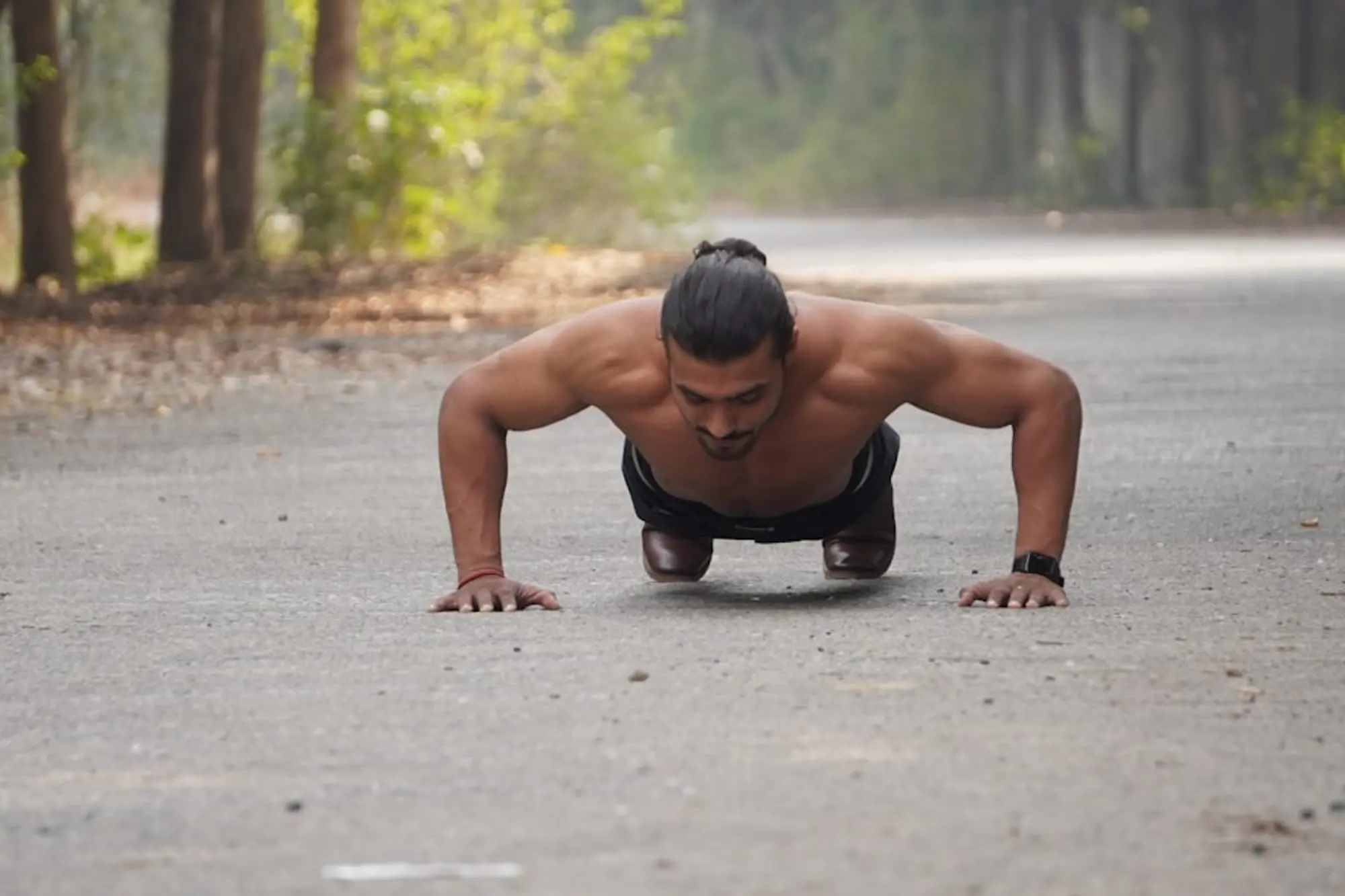
Research shows that 78% of gym-goers are doing leg day wrong — focusing on quantity over quality and missing the exercises that actually transform lower body strength and muscle development.
The difference between an average leg workout and a game-changing session comes down to exercise selection. Top trainers reveal that most people stick to basic squats and lunges while ignoring the powerhouse movements that deliver real results. These 15 trainer-approved exercises will revolutionize your lower body routine and finally give you the strength and definition you’ve been chasing.
1. Bulgarian Split Squats: The Unilateral Game-Changer
This single-leg destroyer tops every trainer’s list for good reason. Bulgarian split squats force each leg to work independently, eliminating strength imbalances while torching calories at twice the rate of regular squats.
Position your rear foot on a bench or elevated surface, then lower into a lunge position until your front thigh is parallel to the ground. The key is keeping 90% of your weight on your front leg.
Why trainers love it: It targets quads, glutes, and hamstrings while improving balance and stability. A 2023 study found that single-leg exercises activate stabilizing muscles 40% more than bilateral movements.
2. Romanian Deadlifts: The Posterior Chain Powerhouse
Romanian deadlifts (RDLs) are the secret weapon for building powerful glutes and hamstrings. Unlike conventional deadlifts, RDLs keep constant tension on your posterior chain throughout the entire movement.
Start standing with feet hip-width apart, holding a barbell or dumbbells. Hinge at the hips, pushing your glutes back while keeping your chest up and knees slightly bent. Lower until you feel a deep stretch in your hamstrings, then drive your hips forward to return to standing.
The magic formula: Focus on the hip hinge pattern rather than knee bending. This movement pattern translates directly to improved athletic performance and everyday activities.

3. Goblet Squats: Perfect Form in Every Rep
Goblet squats teach proper squat mechanics while delivering serious lower body activation. Holding weight at chest level naturally keeps your torso upright and core engaged.
Hold a dumbbell or kettlebell close to your chest with both hands. Squat down by pushing your hips back and knees out, keeping your chest proud. Descend until your hip crease drops below your knee line.
Trainer tip: The front-loaded position makes it nearly impossible to lean forward excessively — the most common squat mistake that reduces effectiveness and increases injury risk.
4. Walking Lunges: Dynamic Strength Building
Walking lunges combine strength, stability, and coordination into one explosive movement. Research indicates that dynamic lunge variations activate glute muscles 23% more than stationary versions.
Step forward into a lunge, dropping your back knee toward the ground. Push through your front heel to bring your back foot forward into the next lunge. Maintain an upright torso throughout the entire sequence.
Progressive overload options:
- Add dumbbells or a barbell
- Increase stride length
- Perform on an incline
- Add a knee drive at the top of each step
5. Single-Leg Glute Bridges: Isolation Excellence
This exercise specifically targets glute activation while addressing the muscle imbalances that plague modern lifestyles. Sitting for hours daily creates “gluteal amnesia” — when your glutes forget how to fire properly.
Lie on your back with one foot planted and the other leg extended. Drive through your planted heel to lift your hips, creating a straight line from knee to shoulder. Squeeze your glutes at the top for maximum activation.
The science: Experts estimate that single-leg glute bridges generate 34% more glute activation than bilateral versions, making them essential for building both strength and muscle definition.

| Exercise Category | Primary Muscles | Difficulty Level | Equipment Needed |
|---|---|---|---|
| Compound Movements | Quads, Glutes, Hamstrings | Intermediate-Advanced | Barbell, Dumbbells |
| Unilateral Exercises | Full Lower Body + Stabilizers | Intermediate | Bodyweight, Light Weights |
| Isolation Movements | Targeted Muscle Groups | Beginner-Intermediate | Minimal Equipment |
The Complete Lower Body Arsenal
Calf raises shouldn’t be overlooked — strong calves improve power transfer and reduce injury risk. Perform both straight-leg and bent-knee variations to target the gastrocnemius and soleus muscles.
Step-ups build functional strength that translates to real-world activities. Use a box or bench that places your thigh parallel to the ground when stepping up. Drive through your heel and avoid pushing off your bottom foot.
Wall sits develop muscular endurance while teaching proper squat positioning. Hold for 30-60 seconds, focusing on keeping your thighs parallel to the ground and your back flat against the wall.
Lateral lunges target the often-neglected frontal plane of movement. Step wide to one side, sitting back into your hip while keeping the opposite leg straight. This exercise strengthens your adductors and improves hip mobility.
Programming Your Transformation
Sumo squats with a wide stance emphasize inner thigh and glute activation. The wider foot position allows for deeper range of motion and increased glute engagement.
Curtsy lunges add a rotational component that challenges stability while targeting your glutes from a unique angle. Step one foot behind and across your body, lowering into a lunge position.
Hip thrusts are the king of glute-building exercises. Use a bench for back support and focus on driving your hips up while squeezing your glutes at the top. This exercise produces the highest glute activation of any lower body movement.
Reverse lunges are easier on the knees than forward lunges while providing similar muscle activation. Step backward into the lunge, which reduces the impact forces on your knee joint.
Single-leg Romanian deadlifts combine balance, strength, and flexibility into one challenging movement. This exercise develops unilateral strength while improving proprioception and ankle stability.
Maximum Results Strategy
Structure your leg workouts around these exercise categories for balanced development. Start with compound movements when your energy is highest, then progress to unilateral exercises, and finish with isolation work.
Frequency matters: Research shows that training legs twice per week produces 25% greater strength gains than once-weekly sessions. Allow 48-72 hours between intense lower body workouts for optimal recovery.
Progressive overload is non-negotiable. Increase weight, reps, or difficulty every 2-3 weeks to continue seeing results. Your muscles adapt quickly to the same stimulus.
These 15 exercises form the foundation of every successful lower body transformation. Master the movement patterns, progressively increase the challenge, and watch your leg day become the workout you actually look forward to.
How often should you train legs for maximum results?
Train legs 2-3 times per week with at least 48 hours of rest between intense sessions. This frequency allows for optimal muscle protein synthesis while preventing overtraining.
What’s the biggest mistake people make on leg day?
Focusing only on quads while neglecting glutes and hamstrings. This creates muscle imbalances that limit performance and increase injury risk. Always include posterior chain exercises.
Should beginners start with bodyweight or weighted exercises?
Master bodyweight versions first, then gradually add resistance. Proper form is more important than lifting heavy weight, especially when building foundational movement patterns.
How many exercises should be included in one leg workout?
Include 4-6 exercises per session: 1-2 compound movements, 1-2 unilateral exercises, and 1-2 isolation movements. Quality trumps quantity every time.
You might also like
 Team USA’s Amber Glenn Addresses Her ‘Messing Up’ at 2026 Olympics