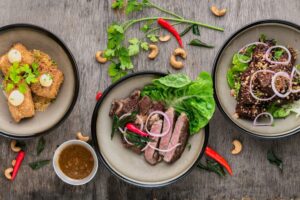
“Protein is the building block of muscle, and without adequate intake, you’re essentially doing half the work for none of the gains,” celebrity trainer Autumn Calabrese explained to Women’s Health in a recent interview about post-workout nutrition. The 21 Day Fix creator’s stark warning highlights a critical oversight that could be sabotaging millions of fitness enthusiasts worldwide.
Recent research suggests that individuals who fail to consume adequate protein in conjunction with their exercise routines may be missing out on up to 60% of their potential muscle-building and recovery benefits. This staggering statistic has prompted fitness experts and nutritionists to sound the alarm about what they’re calling the “protein gap” – a widespread deficiency that’s undermining workout effectiveness across all fitness levels.
The Science Behind Protein’s Critical Role
According to the International Society of Sports Nutrition, protein synthesis – the process by which muscles repair and grow stronger after exercise – relies entirely on adequate amino acid availability. Without sufficient protein intake, this fundamental recovery mechanism simply cannot function optimally.
Research published in the American Journal of Clinical Nutrition demonstrates that muscle protein synthesis rates can increase by up to 300% following resistance training, but only when paired with proper protein consumption. Dr. Stuart Phillips, a protein research expert at McMaster University, has shown that this anabolic window extends far beyond the traditional “30-minute rule” that many fitness enthusiasts follow.
The consequences of inadequate protein intake extend beyond just muscle building. A 2023 study from the University of Texas found that participants who consumed less than 1.2 grams of protein per kilogram of body weight showed significantly impaired recovery markers, including elevated cortisol levels and prolonged muscle soreness.
How Much Protein Do You Actually Need?
Celebrity trainer Harley Pasternak, who has worked with stars like Lady Gaga and Rihanna, consistently emphasizes protein targets in his training programs. According to Shape magazine, Pasternak recommends that his celebrity clients consume between 1.6 to 2.2 grams of protein per kilogram of body weight daily, with higher amounts on training days.
The Academy of Nutrition and Dietetics supports similar guidelines, but notes that individual needs vary significantly based on training intensity, body composition goals, and metabolic factors. For a 150-pound individual, this translates to approximately 109-150 grams of protein daily – substantially more than the basic recommended daily allowance.
Research from the Journal of the International Society of Sports Nutrition indicates that spreading protein intake throughout the day optimizes muscle protein synthesis. The study found that consuming 20-30 grams of high-quality protein every 3-4 hours maintains elevated amino acid levels necessary for continuous muscle repair.

The Celebrity Approach to Strategic Protein Timing
Gunnar Peterson, the renowned trainer behind Jennifer Lopez’s impressive physique, has spoken extensively about protein timing strategies. In interviews with People magazine, Peterson emphasizes that his A-list clients don’t just focus on total daily protein – they strategically time intake around workouts for maximum benefit.
According to research from the American College of Sports Medicine, consuming protein within two hours post-exercise significantly enhances muscle protein synthesis rates. However, emerging studies suggest that pre-workout protein consumption may be equally important for optimizing training adaptations.
Tracy Anderson, known for her work with Gwyneth Paltrow and other Hollywood stars, incorporates plant-based protein strategies into many of her clients’ nutrition plans. Anderson told Vogue that combining different protein sources throughout the day ensures complete amino acid profiles necessary for optimal recovery.
The timing strategy extends beyond individual meals. Research published in Nutrients journal found that consuming casein protein before bed can increase overnight muscle protein synthesis by up to 22%, making evening protein intake particularly valuable for serious athletes and fitness enthusiasts.
Common Protein Mistakes That Sabotage Results
Even dedicated fitness enthusiasts often fall into protein-related traps that limit their progress. According to WebMD, one of the most common mistakes is front-loading protein intake at dinner while neglecting breakfast and lunch consumption.
Don Saladino, personal trainer to Ryan Reynolds and Blake Lively, frequently addresses protein distribution errors in his programming. Saladino has explained to Men’s Health that his celebrity clients achieve better results when protein is evenly distributed across all meals rather than concentrated in one large serving.
Quality versus quantity represents another critical consideration. Research from the University of Illinois demonstrates that leucine content – a key amino acid for muscle protein synthesis – varies dramatically between protein sources. Animal-based proteins typically contain higher leucine concentrations compared to most plant-based alternatives.
Processing and preparation methods also impact protein utilization. According to the Journal of Food Science, cooking methods that preserve protein structure enhance digestibility and amino acid availability, making preparation techniques nearly as important as protein selection itself.

What the Experts Recommend
Based on comprehensive research and celebrity trainer insights, nutrition experts have established clear guidelines for optimizing protein intake to maximize workout benefits. These evidence-based recommendations address both quantity and quality considerations essential for serious fitness results.
Daily Protein Targets:
- Sedentary individuals: 0.8-1.0g per kg body weight
- Regular exercisers: 1.2-1.6g per kg body weight
- Strength athletes: 1.6-2.2g per kg body weight
- Endurance athletes: 1.2-1.8g per kg body weight
- Body recomposition goals: 1.8-2.4g per kg body weight
The International Olympic Committee emphasizes that these ranges should be adjusted based on training phase, with higher intakes during intense training periods and moderate reductions during recovery phases.
Quality considerations matter significantly according to research from Nutrition Reviews. Complete proteins containing all essential amino acids should comprise the majority of daily intake, with leucine-rich sources prioritized around workout times for maximum anabolic stimulus.
| Protein Source | Leucine Content (per 25g protein) | Digestion Speed | Best Timing |
|---|---|---|---|
| Whey Protein | 2.5-3.0g | Fast (1-2 hours) | Post-workout |
| Casein Protein | 2.0-2.5g | Slow (6-8 hours) | Before bed |
| Chicken Breast | 2.0-2.2g | Moderate (3-4 hours) | Any meal |
| Greek Yogurt | 1.8-2.0g | Moderate (3-4 hours) | Snacks/meals |
Strategic supplementation can address timing and convenience challenges that often derail consistent protein intake. According to the Journal of Sports Medicine and Physical Fitness, high-quality protein powders demonstrate equivalent muscle-building effects compared to whole food sources when total daily intake remains adequate.
Optimizing Your Protein Strategy for Maximum Results
CrossFit athletes and Peloton enthusiasts alike benefit from periodized protein approaches that align intake with training demands. Research from Sports Medicine journal indicates that protein needs fluctuate significantly based on training volume, intensity, and recovery requirements.
Nike Training Club workouts and similar high-intensity programs create elevated protein requirements that extend 24-48 hours post-exercise. According to the American Journal of Sports Medicine, this extended recovery window necessitates sustained amino acid availability rather than single post-workout protein doses.
Hydration status significantly impacts protein utilization according to recent findings published in the International Journal of Sport Nutrition. Dehydration can reduce muscle protein synthesis rates by up to 20%, making adequate fluid intake essential for maximizing protein benefits.
Individual genetic variations influence optimal protein strategies, with research from the Journal of Nutrigenomics showing that certain genetic polymorphisms affect amino acid metabolism. While genetic testing remains optional, monitoring individual response to different protein protocols helps identify personalized optimization strategies.
How soon after working out should I consume protein?
Research shows the anabolic window extends 2-3 hours post-exercise, though consuming protein within 30-60 minutes may provide slight advantages for muscle protein synthesis rates.
Can I get enough protein from plant-based sources alone?
Yes, but it requires careful planning. According to the Academy of Nutrition and Dietetics, combining complementary plant proteins and potentially increasing total intake by 10-15% ensures adequate amino acid profiles.
Does protein timing matter as much as total daily intake?
Both matter significantly. While total daily protein drives overall muscle protein synthesis, strategic timing around workouts and throughout the day optimizes utilization and maximizes training adaptations.
What happens if I consume too much protein?
According to Mayo Clinic, healthy individuals can typically handle 2.5-3.0g per kg body weight safely, though excess protein beyond muscle-building needs provides no additional benefits and may stress kidney function in susceptible individuals.