Here’s a shocking reality: 80% of women lose muscle mass at twice the rate of men after age 30—but the right exercise plan doesn’t just build strength, it rewrites your entire biological aging process. From Jennifer Aniston’s famous Tracy Anderson workouts to Halle Berry’s dedication to strength training well into her 50s, A-list women prove that strategic fitness isn’t just about looking good—it’s about rewriting the rules of how we age.
1. The Bone-Building Revolution: Why Strength Training Becomes Non-Negotiable After 30
Your thirties mark the beginning of a silent crisis. Research shows women lose 3-8% of muscle mass per decade starting at 30, but strength training can reverse this trend completely.
According to Women’s Health magazine, celebrities like Scarlett Johansson work with trainer Don Saladino precisely because compound movements deliver results that go far beyond aesthetics. Here’s what strength training actually does:
- Increases bone density by up to 13% in just six months
- Boosts metabolism for 24-48 hours post-workout
- Reduces risk of osteoporosis by 40%
- Improves insulin sensitivity and glucose metabolism
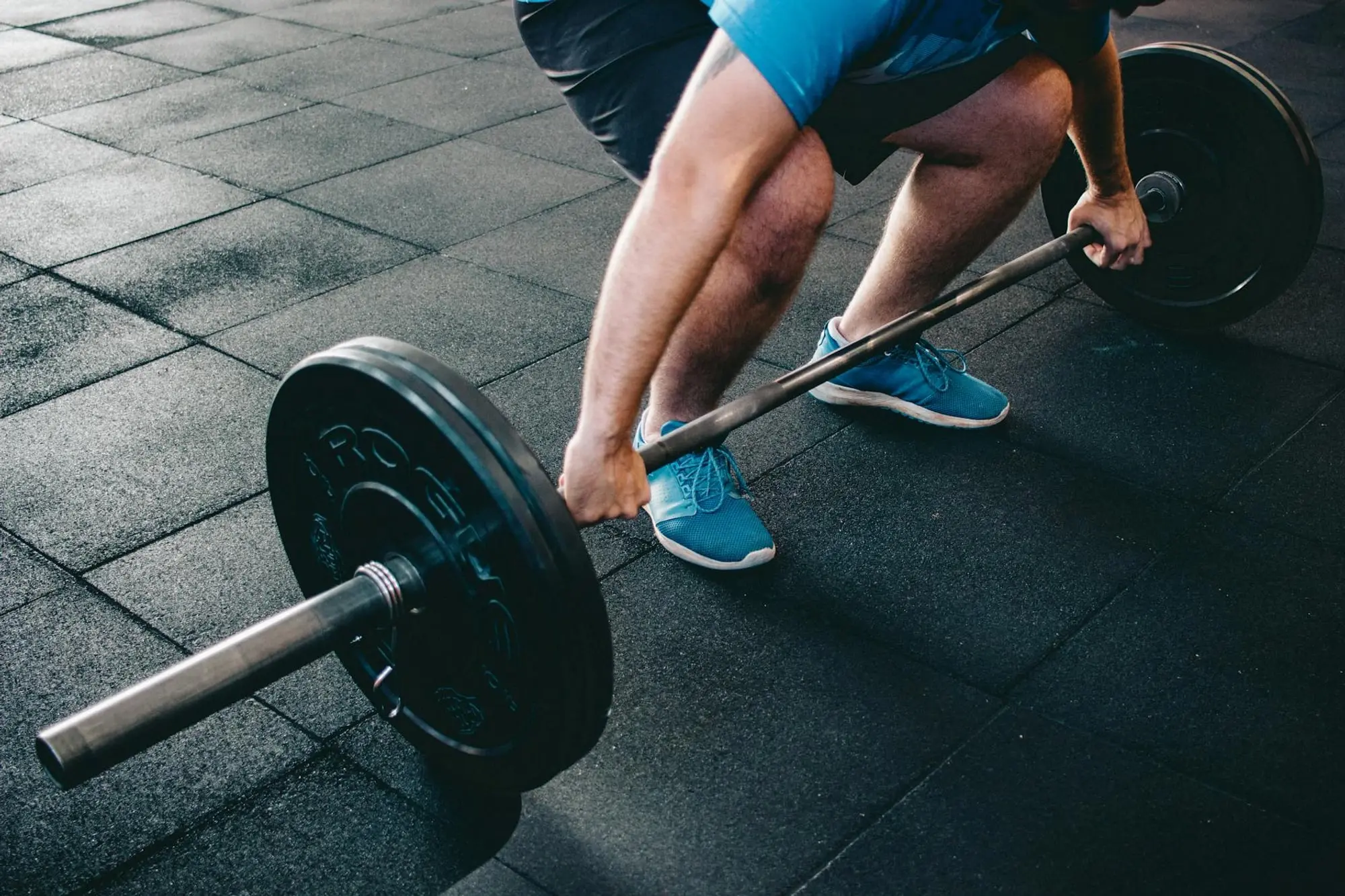
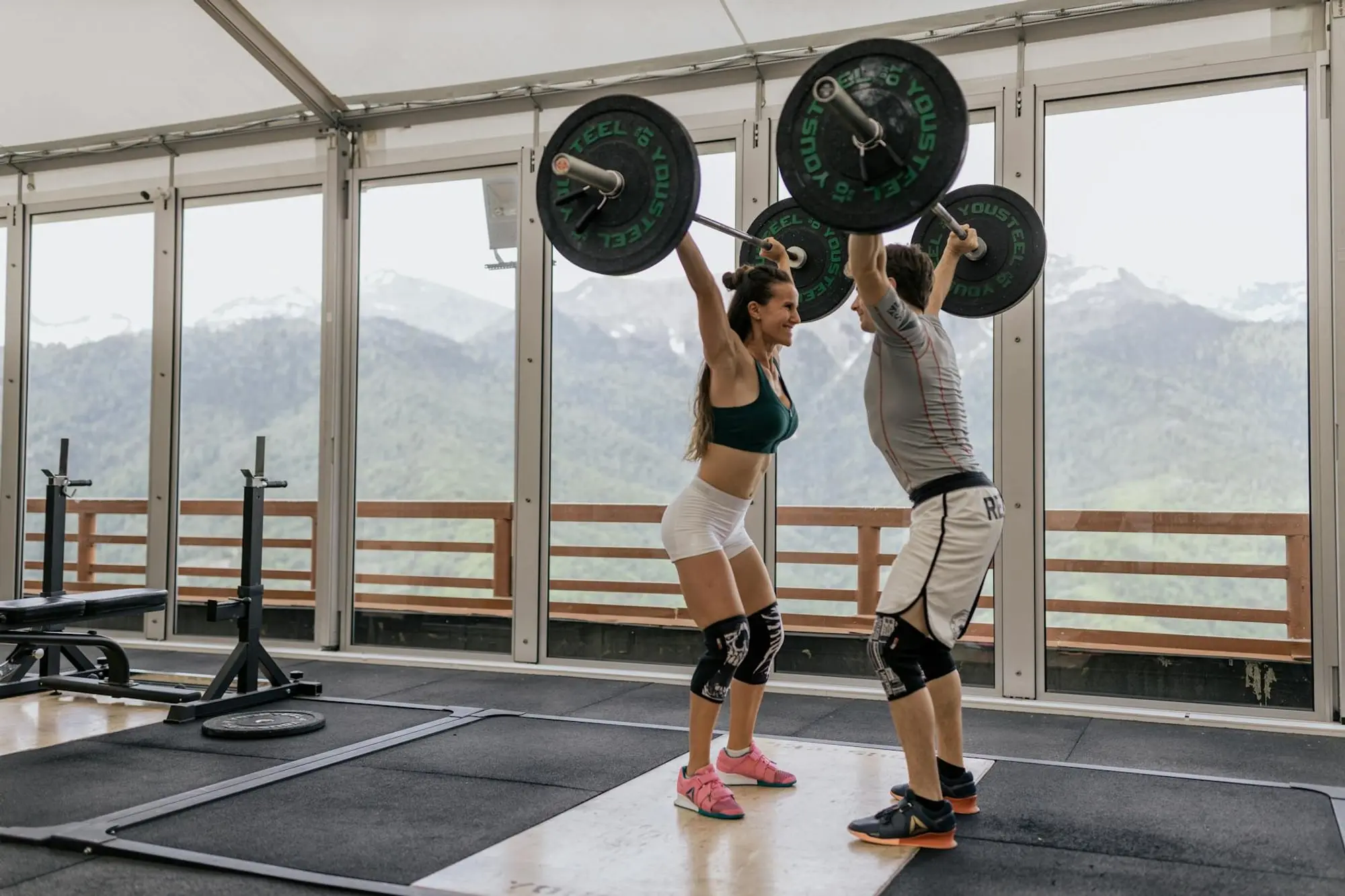
The magic formula? Two to three strength sessions weekly focusing on major movement patterns. Think squats, deadlifts, rows, and presses—the exact movements that keep Jennifer Lopez looking ageless at 54.
Celebrity trainer Gunnar Peterson, who works with the Kardashians, emphasizes that women should lift heavier than they think. The fear of “bulking up” is outdated science—testosterone levels simply don’t support significant muscle growth without serious effort.
2. The Flexibility Factor: Why Mobility Work Becomes Your Secret Anti-Aging Weapon
Flexibility training transforms from nice-to-have to absolutely essential as estrogen levels shift. A 2024 study found that women who maintain regular stretching routines show 25% less joint stiffness and significantly better posture than sedentary peers.
Gwyneth Paltrow credits her decades-long Pilates practice for her ability to move like someone half her age. The benefits extend far beyond touching your toes:
- Improves circulation and lymphatic drainage
- Reduces chronic pain and tension headaches
- Enhances sleep quality and stress recovery
- Maintains range of motion for daily activities
Peak Pilates and Reformer classes deliver maximum impact. According to Shape magazine, the controlled resistance and precise movements target the deep stabilizing muscles that keep your spine healthy and your posture perfect.

3. The Cardio Evolution: How Heart Health Strategies Must Shift by Decade
Your cardiovascular system needs different support at different life stages. What worked in your twenties might actually work against you in your forties and beyond.
In your 30s: High-intensity interval training (HIIT) maximizes efficiency. Peloton’s signature 20-30 minute classes deliver cardiovascular benefits while preserving muscle mass. Think Beyoncé’s preference for dance cardio mixed with sprint intervals.
In your 40s: Perimenopause changes everything. According to Vogue, this is when celebrities like Naomi Watts shifted focus to longer, moderate-intensity sessions. Zone 2 cardio—where you can still hold a conversation—becomes crucial for metabolic health.
In your 50s and 60s: Impact matters more than intensity. Swimming, cycling, and brisk walking protect joints while maintaining heart health. Helen Mirren famously swears by pool workouts and daily walks.
| Age Decade | Primary Cardio Focus | Weekly Frequency | Celebrity Example |
|---|---|---|---|
| 30s | HIIT + Dance Cardio | 3-4 sessions | Beyoncé, Jennifer Lopez |
| 40s | Zone 2 + Moderate Intensity | 4-5 sessions | Naomi Watts, Halle Berry |
| 50s-60s | Low-Impact + Consistency | 5-6 sessions | Helen Mirren, Jane Fonda |
4. The Mind-Body Connection: Why Stress Management Exercise Becomes Critical
Chronic stress ages women faster than any other factor—and exercise is your most powerful stress-fighting tool. Research shows that women experience stress differently than men, with cortisol having more dramatic effects on metabolism and sleep.
Yoga and meditation-based movement deliver compound benefits. Jennifer Aniston practices yoga daily, crediting it for her mental clarity and physical resilience. According to People magazine, she combines Vinyasa flow with strength-based poses.
The stress-busting exercise prescription includes:
- 10-15 minutes daily mindful movement
- Breath-focused activities like yoga or Tai Chi
- Nature-based exercise when possible
- Consistent sleep schedule supported by evening stretching
Celebrity trainer Tracy Anderson, who works with Gwyneth Paltrow and Madonna, emphasizes that movement should feel like meditation in motion. The goal isn’t just physical transformation—it’s nervous system regulation.

5. The Recovery Revolution: Why Rest Days Become Your Most Important Training Days
Here’s what no one tells you about aging: recovery becomes more important than the workout itself. Elite athletes and celebrities in their 40s and beyond spend as much time on recovery as they do on training.
Active recovery strategies that celebrities swear by:
- Infrared saunas (Gwyneth Paltrow’s daily ritual)
- Foam rolling and massage therapy
- Gentle yoga or walking on rest days
- Proper hydration and sleep optimization
According to Shape magazine, women need 48-72 hours between intense strength sessions after age 40. This isn’t weakness—it’s strategic adaptation that leads to better results and injury prevention.
The recovery checklist every woman needs:
- 7-9 hours quality sleep nightly
- Protein within 30 minutes post-workout
- Daily stress management practice
- Weekly massage or bodywork session
Celebrity trainer Harley Pasternak, who works with Lady Gaga and Megan Fox, calls recovery “the missing piece that separates good results from transformation.”
—
FAQ
How many days per week should women exercise in their 40s and beyond?
Five to six days weekly with varied intensity. Include 2-3 strength sessions, 2-3 cardio sessions, and 1-2 active recovery days. Quality trumps quantity—consistency matters more than perfection.
Can you start strength training in your 50s if you’ve never lifted weights?
Absolutely. Start with bodyweight exercises and light resistance bands. Work with a qualified trainer initially to ensure proper form. Many celebrities like Jane Fonda didn’t begin serious strength training until their 50s.
What’s the biggest exercise mistake women make as they age?
Avoiding strength training due to fear of injury or bulking up. Research consistently shows that resistance training is the single most important exercise type for maintaining bone density, metabolism, and functional strength as we age.
How does exercise need to change during perimenopause and menopause?
Focus shifts to strength training and stress management. High-intensity exercise may need to be reduced if it increases cortisol. Emphasize consistency over intensity, and add more recovery time between sessions.