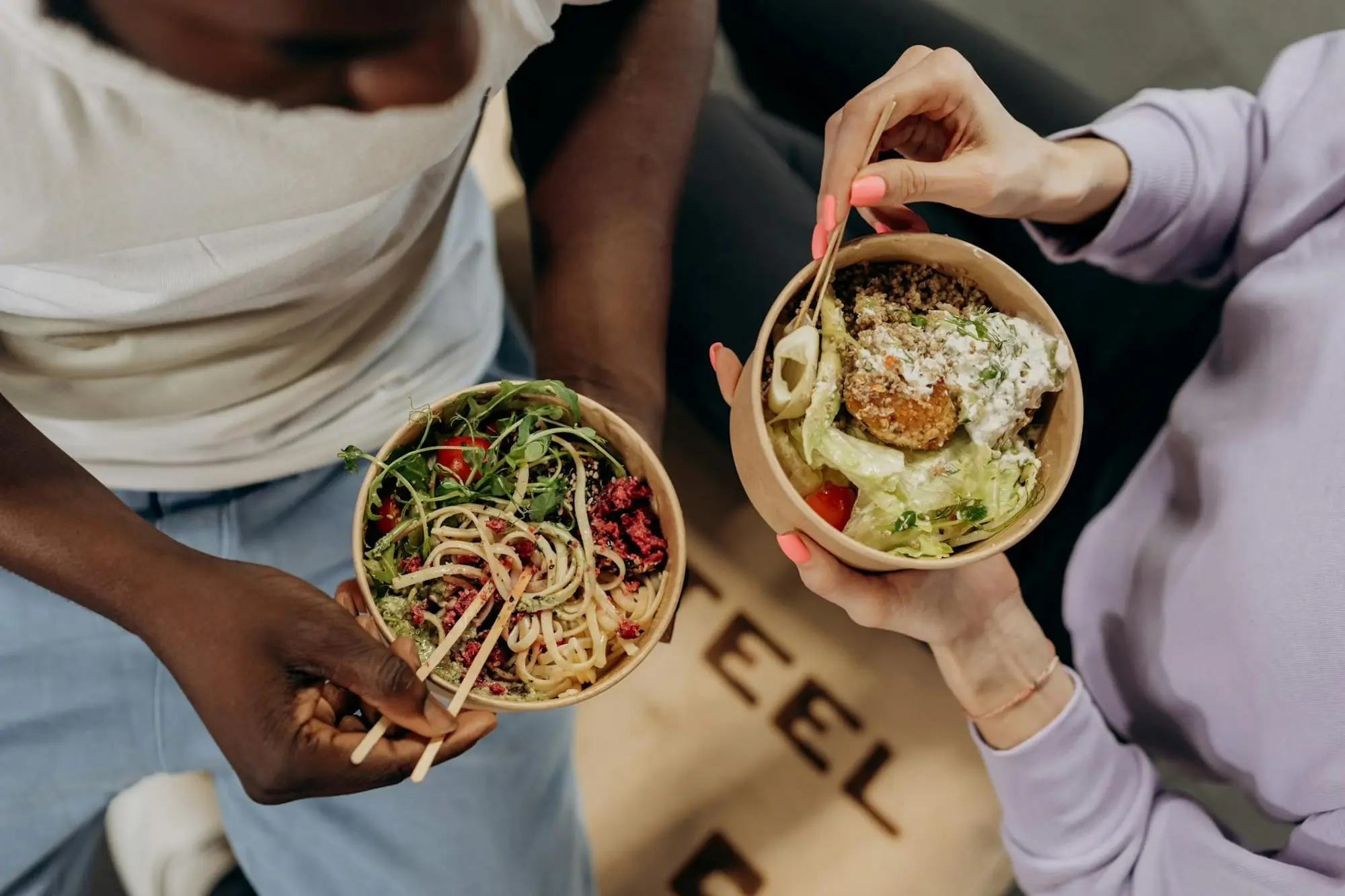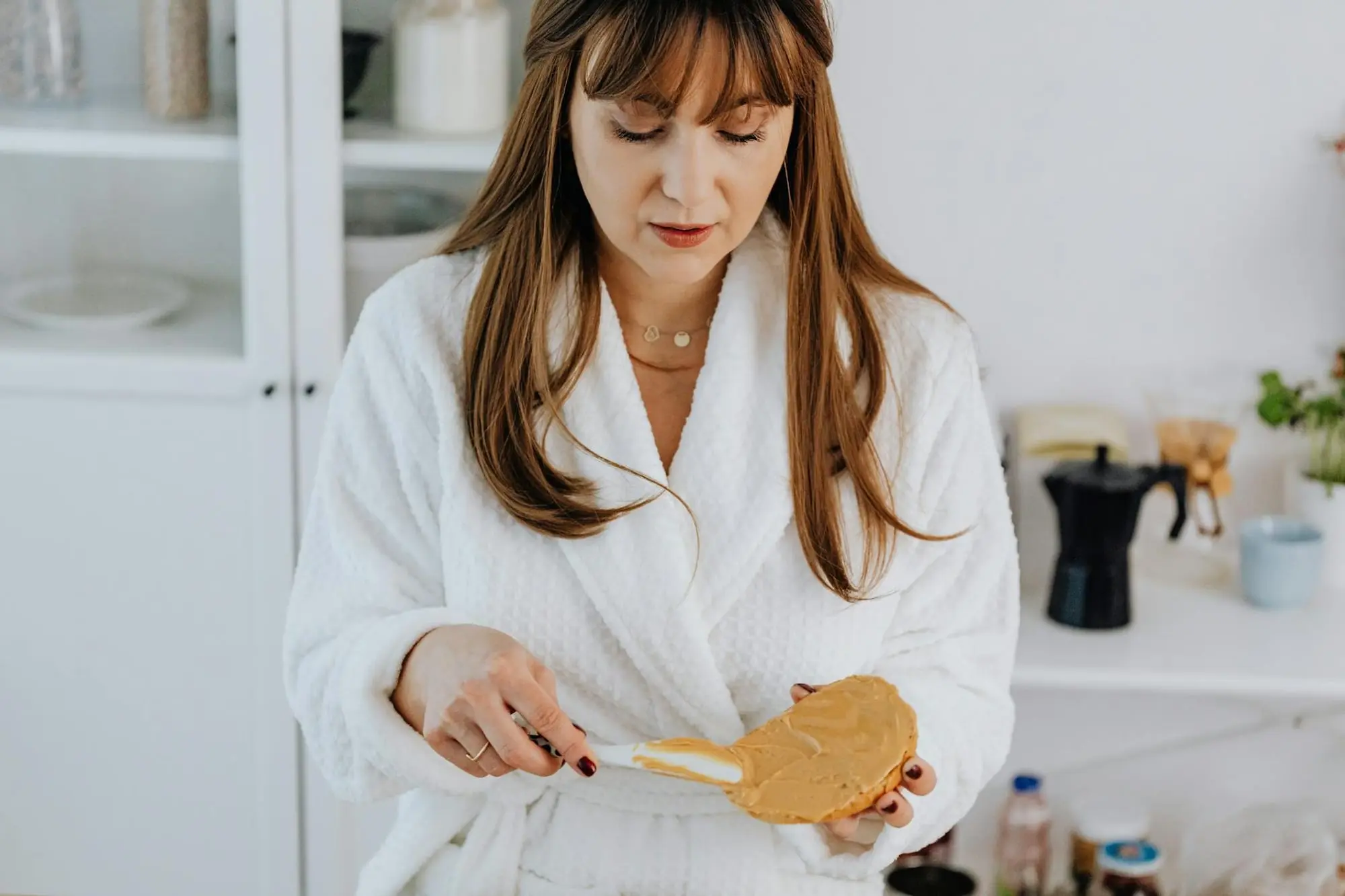
Jessica Alba stands in her pristine Los Angeles kitchen at 6 AM, methodically preparing what looks like the most colorful breakfast spread imaginable. The Honest Company founder isn’t reaching for her usual protein powder this morning—instead, she’s layering Greek yogurt with hemp seeds, sliced almonds, and fresh berries, creating a meal that packs nearly 25 grams of protein without a single scoop from a tub.
“I used to think I needed supplements for everything,” Alba shared in a recent Instagram story, showing off her morning routine. “But my nutritionist opened my eyes to how much protein I was already getting from whole foods.” The actress and entrepreneur isn’t alone in this revelation—more celebrities are discovering that strategic food choices can eliminate the need for protein powders entirely.
This shift away from supplement dependency isn’t just a Hollywood trend. According to research published in the American Journal of Clinical Nutrition, most Americans already consume 1.2 to 1.6 times their daily protein requirements through food alone, yet the protein supplement industry continues to grow exponentially.
The Real Numbers Behind Your Protein Needs
Here’s what might surprise you: the average person needs far less protein than the fitness industry suggests. According to the National Academy of Medicine, most adults require only 0.8 grams of protein per kilogram of body weight daily. For a 150-pound person, that translates to just 54 grams per day.
Even athletes need less than you’d think. A 2024 study in the Journal of Sports Medicine found that endurance athletes perform optimally with 1.2 to 1.4 grams per kilogram, while strength athletes max out at 1.6 to 2.2 grams per kilogram. That’s still achievable through whole foods for most people.
Celebrity trainer Harley Pasternak, who works with stars like Lady Gaga and Rihanna, tells his clients to focus on food first. “When you look at what Rihanna eats in a day, she’s hitting 80-90 grams of protein easily through meals and snacks,” he explained in a recent Shape magazine interview. “The supplement becomes unnecessary when you’re strategic about food choices.”
Strategic Food Combinations That Deliver
The secret lies in understanding which foods pack the biggest protein punch and how to combine them effectively. Jennifer Aniston has mastered this approach, regularly sharing meals that seamlessly blend multiple protein sources throughout her day.
Her go-to breakfast combines two eggs (12g protein) with a slice of Ezekiel bread (5g) and half an avocado, then she adds a small handful of pumpkin seeds (2g) for crunch. That single meal delivers nearly 20 grams of protein before 8 AM.
The key is thinking beyond obvious protein sources. According to registered dietitian Dawn Jackson Blatner, who has worked with numerous celebrities, many people overlook these protein-rich foods:
- Quinoa: 8 grams per cooked cup
- Greek yogurt: 20 grams per 6-ounce serving
- Lentils: 18 grams per cooked cup
- Hemp seeds: 10 grams per 3 tablespoons
- Nutritional yeast: 8 grams per 2 tablespoons
- Cottage cheese: 25 grams per cup
- Edamame: 17 grams per cooked cup

Plant-Based Proteins That Actually Work
The plant-based movement has revolutionized how we think about protein, and celebrities like Natalie Portman and Joaquin Phoenix prove you don’t need animal products to meet protein goals. Portman, who’s been vegan for over a decade, maintains her energy for demanding film roles through strategic plant protein combining.
The key is understanding amino acid profiles. While animal proteins contain all essential amino acids, plant proteins often need partners. But this isn’t as complicated as it sounds—you don’t need to stress about combining at every meal.
Research from Harvard’s T.H. Chan School of Public Health shows that eating a variety of plant proteins throughout the day naturally provides all essential amino acids. Tracy Anderson, celebrity trainer to Gwyneth Paltrow and Madonna, incorporates this principle into her clients’ meal plans.
“Madonna gets amazing results eating primarily plant-based,” Anderson shared in a Women’s Health interview. “We focus on legume and grain combinations, nuts with vegetables, and she’s never lacking energy for our intense training sessions.”
Timing Your Protein Throughout the Day
Distribution matters more than total intake, according to sports nutrition research. Rather than cramming 40 grams into a post-workout shake, spreading 15-25 grams across meals and snacks optimizes muscle protein synthesis.
Chris Hemsworth demonstrated this approach while preparing for Thor roles, working with nutritionist Sergio Perera. Instead of relying heavily on protein powders, Hemsworth’s meal plan distributed protein across six eating occasions daily.
A typical day included eggs and oats for breakfast (20g), Greek yogurt with nuts mid-morning (15g), chicken and quinoa salad for lunch (35g), cottage cheese with berries as an afternoon snack (20g), salmon with vegetables for dinner (30g), and a small serving of nuts before bed (8g). Total: 128 grams, perfect for his 200-pound frame during intense training.

The Hidden Protein in Your Current Diet
Most people dramatically underestimate their current protein intake. That morning oatmeal contains 6 grams, your lunchtime hummus and pita adds another 12 grams, and even vegetables contribute more than expected—a cup of broccoli provides 3 grams.
According to data from the USDA’s National Health and Nutrition Examination Survey, the average American woman consumes 69 grams of protein daily, while men average 102 grams. Both figures exceed basic requirements before adding any targeted high-protein foods.
Celebrity nutritionist Kelly LeVeque, who works with Jessica Simpson and Chelsea Handler, helps clients track their baseline intake first. “Jessica was shocked to discover she was already hitting 60 grams daily before making any changes,” LeVeque shared in a recent Vogue interview. “We just needed to redistribute and optimize.”
Your Complete Protein Strategy
Here’s how your daily protein intake breaks down when you’re strategic about food choices:
| Meal/Snack | Food Combination | Protein Content |
|---|---|---|
| Breakfast | Greek yogurt + granola + berries | 22g |
| Mid-Morning | Apple with almond butter | 8g |
| Lunch | Quinoa bowl with chickpeas + vegetables | 28g |
| Afternoon | Cottage cheese with cucumber | 20g |
| Dinner | Salmon with sweet potato + broccoli | 32g |
| Total | Whole food sources only | 110g |
The beauty of this approach lies in its sustainability. Unlike supplement routines that require constant restocking and remembering to mix shakes, strategic food choices become automatic habits that nourish your entire body, not just your muscles.
Real transformation happens when nutrition feels natural rather than clinical. Jessica Alba’s morning routine works because it fits seamlessly into her family life—she’s modeling healthy eating for her children while meeting her own nutritional needs effortlessly.
The protein powder industry wants you to believe that food isn’t enough, but your body has thrived on whole foods for millennia. Trust in that wisdom, embrace the abundance of protein-rich foods available, and discover how satisfying it feels to nourish yourself completely through the pure simplicity of real food.
How much protein do I really need per day?
Most adults need 0.8g per kg of body weight daily (about 54g for a 150-pound person). Athletes may need up to 1.6-2.2g per kg, but this is still achievable through whole foods with proper planning.
Can I build muscle without protein supplements?
Absolutely. Research shows that muscle protein synthesis responds equally well to protein from whole foods versus supplements, as long as you’re consuming adequate amounts distributed throughout the day.
What if I’m vegan—can I still get enough protein from food?
Yes, plant-based diets can easily meet protein needs through legumes, grains, nuts, seeds, and vegetables. The key is eating a variety of plant proteins throughout the day to ensure all essential amino acids.
Is it better to eat protein all at once or spread throughout the day?
Spreading protein across meals optimizes muscle protein synthesis. Aim for 15-25g per meal rather than consuming large amounts in single servings for better absorption and utilization.