When Gwyneth Paltrow stepped into her trainer Tracy Anderson’s studio last year, she wasn’t just thinking about toning her arms or sculpting her core. At 51, the Goop founder had bone health on her mind after watching her mother, Blythe Danner, struggle with osteoporosis. “I realized I needed to be proactive about my bones now, not when I’m 70,” Paltrow shared in a recent Goop podcast episode.
What happened next changed everything she thought she knew about building stronger bones. Instead of the gentle yoga flows and light resistance work she’d been doing, Anderson introduced her to something completely different: high-impact, weight-bearing movements that literally shocked her skeleton into building new bone tissue.
Paltrow isn’t alone in this revelation. A groundbreaking 2024 study published in the Journal of Bone and Mineral Research has confirmed what fitness experts have long suspected – not all workouts are created equal when it comes to bone density. The research tracked over 1,200 participants for two years and found that one specific type of exercise outperformed all others in building stronger bones.
The Science Behind Bone-Building Exercise
Here’s what researchers discovered: resistance training combined with high-impact movements increased bone density by an average of 3.2% in just 12 months. That might not sound like much, but according to Dr. Miriam Nelson, a bone health researcher at Tufts University, it’s actually remarkable. “Most people lose 1-2% of their bone density each year after age 30,” she explains. “To not just stop that loss but actually reverse it is huge.”
The study compared four different workout styles: traditional cardio, yoga and Pilates, standard weight training, and what researchers called “osteogenic loading” – a combination of heavy resistance work and impact exercises. The osteogenic group saw results that left even the scientists surprised.
Celebrity trainer Gunnar Peterson, who works with stars like Jennifer Lopez and the Kardashians, has been incorporating these principles for years. “I’ve watched clients in their 40s and 50s literally rebuild their skeletons,” he says. “But you have to understand – your bones respond to stress, and most people aren’t stressing them enough.”
What Makes This Workout Different
Traditional exercise advice for bone health has focused on weight-bearing activities like walking or light resistance training. But this new research shows that gentle isn’t enough. Your bones need to be challenged – really challenged – to trigger new growth.
The winning workout formula combines these elements:
- Heavy resistance training at 80-85% of your maximum effort
- High-impact movements like jumping, hopping, or plyometrics
- Progressive overload that gradually increases intensity over time
- Compound movements that work multiple muscle groups simultaneously
- Weight-bearing exercises performed in standing positions
- Short, intense sessions rather than long, moderate workouts
According to Shape magazine’s fitness director, this approach works because bones are living tissue that responds to mechanical stress. “Think of it like building muscle,” she explains. “You wouldn’t expect to get stronger lifting the same five-pound weights forever. Your bones work the same way.”

Celebrity Success Stories
Reese Witherspoon discovered this approach after her doctor warned her about declining bone density during perimenopause. Working with trainer Harley Pasternak, she switched from her usual routine of long runs and barre classes to include heavy squats, deadlifts, and box jumps twice a week.
“I was terrified at first,” Witherspoon admitted on her Instagram. “But now I’m lifting weights I never thought possible, and my latest DEXA scan showed my bones are actually denser than they were five years ago.”
Similarly, Jennifer Aniston has been vocal about adding impact training to her routine. Despite being known for her yoga practice, she now incorporates plyometric exercises and resistance training into her weekly schedule. Her trainer, Leyon Azubuike, credits this shift with helping her maintain the strength and bone health she’ll need as she ages.
Even younger celebrities are taking notice. Emma Stone, working with trainer Jason Walsh, has made bone-loading exercises a priority after learning about her family history of osteoporosis. “It’s never too early to start building your bone bank,” Walsh tells his clients.
The Workout That Actually Works
So what does an effective bone-building workout actually look like? Research shows the most successful programs follow a specific structure that maximizes bone-loading potential.
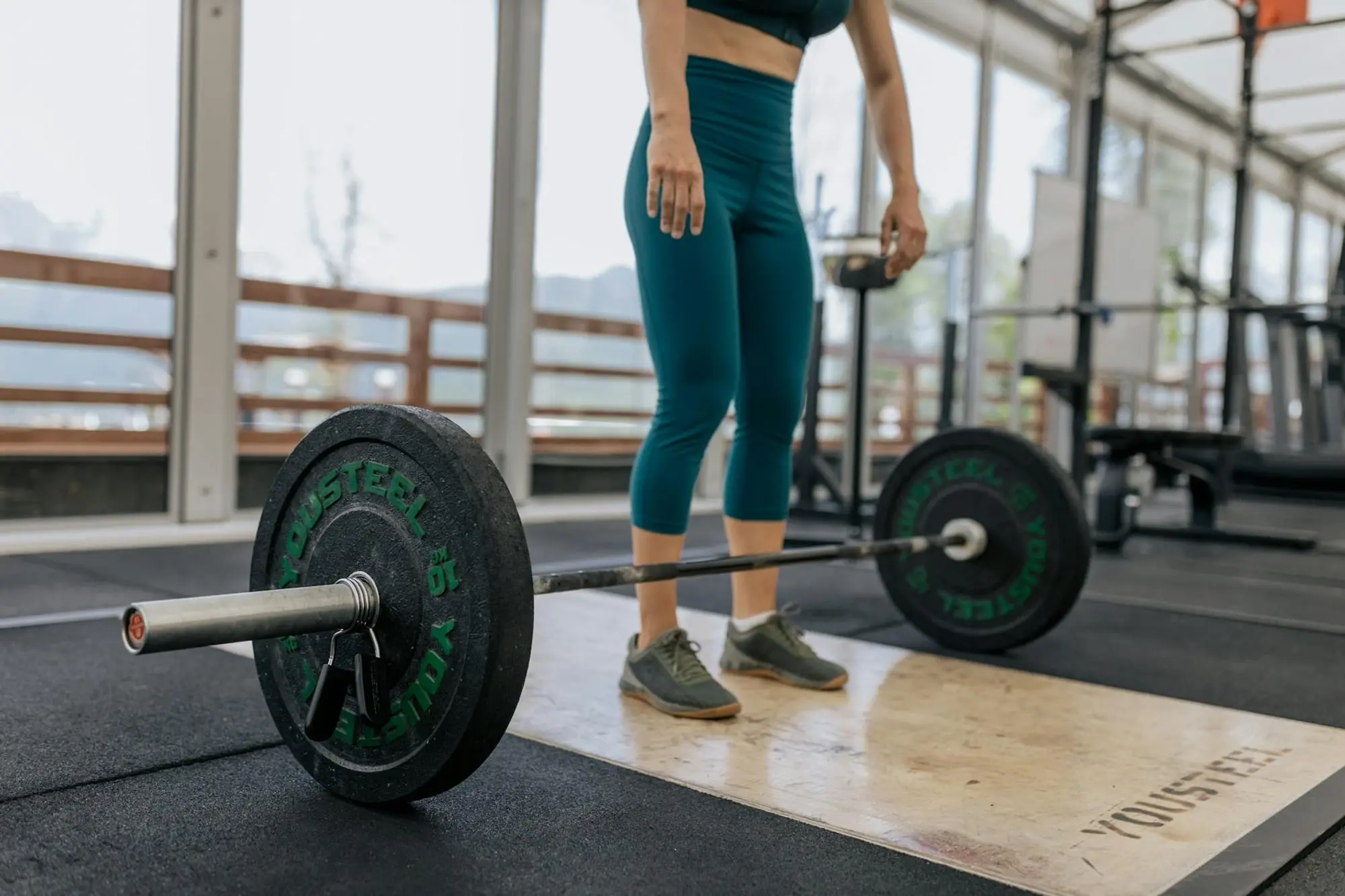
The key is combining compound movements with progressive resistance. Think squats with heavy weights, deadlifts that challenge your entire posterior chain, and overhead presses that load your spine and shoulders. But here’s the crucial part – you need to lift heavy enough that the last two reps of each set feel genuinely difficult.
For the impact component, exercises like box jumps, jump squats, and even simple hopping movements create the mechanical stress bones need to grow stronger. The force generated when you land sends signals throughout your skeletal system to build new bone tissue.
According to Women’s Health magazine, the ideal frequency is 2-3 sessions per week, with at least one day of rest between bone-loading workouts. This gives your skeleton time to adapt and rebuild stronger than before.

Making It Work for Every Fitness Level
The beauty of this approach is its scalability. You don’t need to start with Gwyneth Paltrow’s current routine of 150-pound deadlifts and advanced plyometrics. Beginners can start with bodyweight squats, modified push-ups, and gentle hopping in place.
The Progressive Bone-Loading Protocol breaks down like this:
| Fitness Level | Resistance Training | Impact Work | Weekly Frequency |
|---|---|---|---|
| Beginner | Bodyweight to light weights | Step-ups, marching in place | 2 sessions |
| Intermediate | Moderate weights (60-70% max) | Box jumps, jump squats | 2-3 sessions |
| Advanced | Heavy weights (80-85% max) | Plyometric circuits | 3 sessions |
What matters most isn’t where you start, but that you progressively challenge your bones over time. A 2024 study in the American Journal of Sports Medicine found that participants who consistently increased their training intensity saw continued bone density improvements even after two years.
Celebrity trainer Don Saladino, who works with Ryan Reynolds and Blake Lively, emphasizes starting conservatively. “I’ve seen too many people get excited and try to do too much too fast,” he says. “Your bones adapt slower than your muscles. Give them time.”
Your Bones Are Counting on You
Understanding that exercise can literally rebuild your skeleton changes everything about how you approach fitness. It’s not just about looking good in photos or fitting into your favorite jeans – though those are nice bonuses. It’s about investing in your future mobility, independence, and quality of life.
The research is clear: the workout that builds bone density best isn’t the gentlest or the most comfortable. It’s the one that respectfully challenges your body’s incredible ability to adapt and grow stronger. Every weighted squat, every controlled jump, every progressive increase in resistance is a deposit in your lifelong bone health account.
Your 70-year-old self is watching every workout decision you make today. Make them count.
How heavy should I lift for bone-building benefits?
Research shows you need to work at 80-85% of your maximum effort for optimal bone loading. This means the last 2-3 reps of each set should feel genuinely challenging, but you should still maintain perfect form.
Is it safe to do high-impact exercise if I already have low bone density?
Always consult your doctor first, but many people with osteopenia can safely do modified impact exercises. Start with gentle movements like step-ups or marching in place, and progress gradually under professional guidance.
How long does it take to see improvements in bone density?
According to the 2024 study, participants saw measurable improvements in as little as 6 months, with significant changes by 12 months. However, bone remodeling is a slow process, so consistency over time is key.
Can I build bone density with just bodyweight exercises?
While bodyweight exercises are beneficial, research shows that progressive resistance training with external weights produces superior bone-building results. However, bodyweight movements are an excellent starting point for beginners.
You might also like