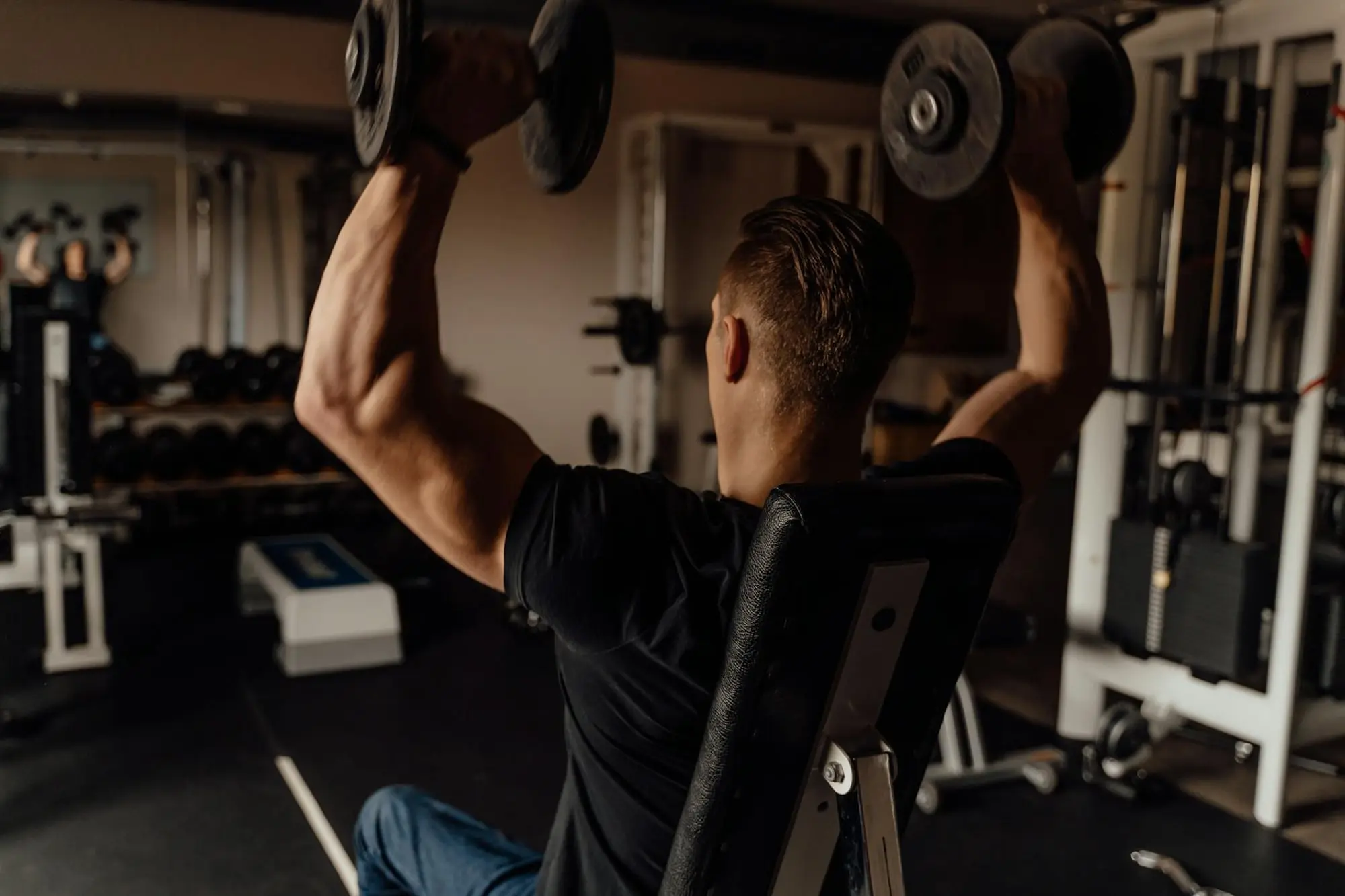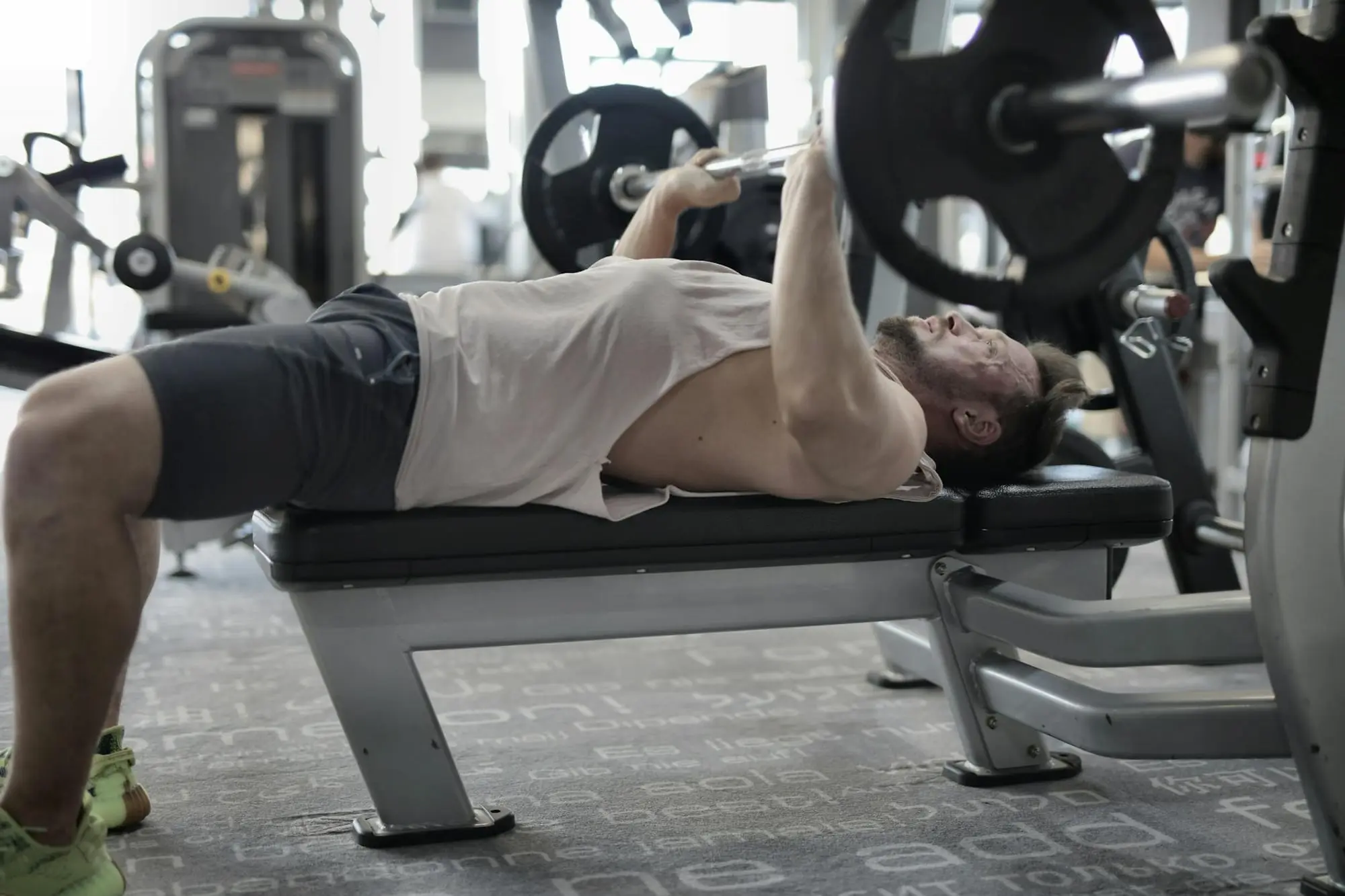
The morning sun streams through the windows of Rob Rausch’s home gym as he adjusts the weight on his dumbbells, preparing for another intense chest workout. The reality TV star, known for his strategic gameplay on Netflix’s hit show The Traitors, brings the same methodical approach to his fitness routine that helped him navigate the castle’s twisted games of deception and alliances.
“Chest day has always been my favorite,” Rausch explains, rolling his shoulders back as he positions himself on the bench. “There’s something about that pump, that feeling of power you get from a solid chest workout that just sets the tone for everything else.” His dedication to fitness wasn’t something that developed overnight – it’s been a cornerstone of his life long before he stepped into the spotlight of reality television.
What makes Rausch’s approach particularly compelling is his reliance on dumbbells rather than barbells for his chest development. This preference stems from both practical considerations and his belief that dumbbells offer superior muscle activation and injury prevention – a philosophy shared by many top trainers in Hollywood.
Why Rob Rausch Chose Dumbbells Over Barbells
Rob Rausch’s decision to focus primarily on dumbbells for chest training mirrors advice from celebrity trainer Don Saladino, who has worked with stars like Hugh Jackman and Sebastian Stan. According to Men’s Health, dumbbells provide a greater range of motion and require more stabilization, leading to enhanced muscle recruitment.
“When I switched to primarily dumbbell work, I noticed the difference immediately,” Rausch shares. “My chest felt more balanced, and I wasn’t dealing with the shoulder issues I used to have with heavy barbell pressing.” Research shows that dumbbell exercises can activate stabilizing muscles up to 43% more than their barbell counterparts.
The Traitors star also appreciates the unilateral training aspect. Each arm works independently, preventing stronger sides from compensating for weaker ones – a common issue that many fitness enthusiasts face without realizing it.
Rob’s Complete Dumbbell Chest Workout Breakdown
Rob Rausch structures his chest workouts around five core dumbbell movements, each targeting different areas of the pectoral muscles. His routine reflects principles advocated by trainer Harley Pasternak, who emphasizes functional strength over pure aesthetics.
The workout begins with a thorough warm-up featuring arm circles and light dumbbell movements. “I learned the hard way that jumping straight into heavy weight is asking for trouble,” Rausch notes, referencing a minor shoulder strain he experienced early in his fitness journey.
His primary movements focus on progressive overload while maintaining perfect form. Each exercise is performed with deliberate tempo control, emphasizing the eccentric (lowering) portion of each rep to maximize muscle damage and subsequent growth.

The Five-Exercise Foundation
Here’s the exact routine that Rob Rausch follows during his dumbbell chest sessions:
- Incline Dumbbell Press: 4 sets of 8-10 reps, targeting the upper chest
- Flat Dumbbell Press: 4 sets of 10-12 reps, focusing on overall pectoral development
- Decline Dumbbell Press: 3 sets of 12-15 reps, emphasizing the lower chest
- Dumbbell Flyes: 3 sets of 15-20 reps, for chest isolation and stretch
- Dumbbell Pullovers: 3 sets of 12-15 reps, targeting chest and serratus anterior
- Single-Arm Dumbbell Press: 2 sets of 10 per arm, for unilateral strength
- Dumbbell Squeeze Press: 2 sets of 15-20 reps, for inner chest activation
Each movement serves a specific purpose in Rob’s comprehensive approach to chest development. The variety ensures that all areas of the pectoral muscles receive adequate stimulation while preventing adaptation and plateaus.
Recovery and Nutrition: The Other Half of the Equation
Rob Rausch understands that muscle growth happens during recovery, not just during workouts. According to Shape magazine, optimal muscle protein synthesis requires both adequate rest and proper nutrition timing. Rausch follows a post-workout nutrition protocol that includes a protein shake within 30 minutes of finishing his session.
“I used to think more was always better,” he admits. “But I learned that training chest twice a week with full recovery gives me better results than trying to hit it every other day.” His current schedule allows 72 hours between chest sessions, providing optimal recovery time.
Sleep plays an equally crucial role in his routine. Research indicates that muscle growth hormone peaks during deep sleep phases, making quality rest non-negotiable for serious trainees. Rausch prioritizes 7-9 hours nightly, often using meditation apps to improve sleep quality.
Programming and Progression Strategies
The Traitors star approaches progression methodically, tracking every workout in a detailed log. His system involves increasing weight when he can complete all sets with perfect form, typically adding 2.5-5 pounds per dumbbell when ready to progress.
“Consistency beats intensity every time,” Rausch emphasizes, echoing advice from celebrity trainer Tracy Anderson, who has worked with Gwyneth Paltrow and Jennifer Lopez. According to Women’s Health, sustainable progression prevents burnout and reduces injury risk significantly.
Rob’s programming cycles through different rep ranges every 4-6 weeks. This periodization approach, popularized by strength coaches like Charles Poliquin, prevents adaptation and maintains continuous progress toward his physique goals.

| Exercise | Sets x Reps | Rest Period | Key Focus |
|---|---|---|---|
| Incline DB Press | 4 x 8-10 | 90 seconds | Upper chest development |
| Flat DB Press | 4 x 10-12 | 90 seconds | Overall pectoral mass |
| DB Flyes | 3 x 15-20 | 60 seconds | Chest isolation and stretch |
| DB Pullovers | 3 x 12-15 | 60 seconds | Chest expansion and serratus |
Common Mistakes Rob Learned to Avoid
Through years of training, Rob Rausch has identified several critical errors that can derail chest development progress. These lessons, learned through both personal experience and guidance from fitness professionals, have shaped his current approach.
Ego lifting topped his list of mistakes to avoid. “I used to grab the heaviest dumbbells I could handle and wonder why my form was terrible,” he reflects. According to research published in the Journal of Strength and Conditioning Research, proper form with moderate weight produces superior muscle activation compared to heavy weight with compromised technique.
Another crucial lesson involved breathing patterns. Many trainees hold their breath during difficult portions of lifts, but Rausch learned that controlled breathing actually enhances performance and safety. He now exhales during the pressing motion and inhales during the lowering phase.
The mind-muscle connection became a game-changer for his results. Rather than simply moving weight from point A to point B, Rob focuses intensely on feeling his chest muscles work throughout each repetition. This approach, endorsed by bodybuilding legends like Arnold Schwarzenegger, significantly improves training effectiveness.
Rob Rausch’s journey from reality TV strategist to fitness enthusiast demonstrates that sustainable results come from consistency and smart programming rather than flashy techniques. His dumbbell-focused approach proves that simple tools, used correctly and consistently, can deliver exceptional results. Whether you’re navigating the complex social dynamics of The Traitors or the equally challenging world of fitness progression, the principles remain the same: patience, consistency, and intelligent effort always win in the long run.
How often should beginners train chest with dumbbells?
Beginners should start with 2 chest sessions per week, allowing at least 48 hours recovery between workouts. This frequency provides adequate stimulus while preventing overtraining and injury risk.
What weight should I start with for dumbbell chest exercises?
Start with a weight that allows 12-15 controlled repetitions with 2-3 reps remaining before failure. Focus on mastering form before increasing resistance, typically adding 2.5-5 pounds when you can complete all sets easily.
Can dumbbells alone build a complete chest?
Yes, dumbbells provide sufficient stimulus for complete chest development when programmed correctly. The key is using various angles, rep ranges, and progressive overload principles consistently over time.
How long should a dumbbell chest workout take?
A comprehensive dumbbell chest session typically takes 45-60 minutes including warm-up, main exercises, and cool-down. Quality and intensity matter more than duration for optimal results.