“The upper body is where we see some of the most dramatic changes in strength and definition,” celebrity trainer Harley Pasternak told Shape magazine. “When you focus on compound movements that work multiple muscle groups, you’re not just building muscle—you’re creating functional strength that translates to everything you do.”
Building a strong, sculpted upper body requires more than just random exercises. According to fitness experts who train Hollywood’s elite, the most effective upper body routines combine compound movements with targeted isolation work to maximize both strength and aesthetic results.
Research from the American Council on Exercise shows that compound upper body movements can activate up to 40% more muscle fibers than isolation exercises alone. This means choosing the right exercises can dramatically accelerate your results while making your workouts more efficient.
The Science Behind Effective Upper Body Training
Celebrity trainer Gunnar Peterson, who has worked with the Kardashians and Jennifer Lopez, emphasizes the importance of progressive overload in upper body development. “Your muscles adapt quickly to routine,” Peterson explained to Women’s Health. “You need to constantly challenge them with increased resistance, varied angles, or altered tempo.”
A 2023 study published in the Journal of Strength and Conditioning Research found that individuals who performed compound upper body exercises three times per week saw 35% greater strength gains compared to those doing isolation work alone. The research specifically highlighted push-ups, pull-ups, and overhead pressing movements as the most effective for overall development.
The key lies in understanding how different exercises target various muscle groups. According to exercise physiologists, the upper body consists of several major muscle groups that work synergistically: the chest (pectorals), back (latissimus dorsi, rhomboids, trapezius), shoulders (deltoids), and arms (biceps, triceps).
The 10 Most Effective Upper Body Exercises
Based on recommendations from leading fitness experts and scientific research, these exercises form the foundation of any serious upper body training program.
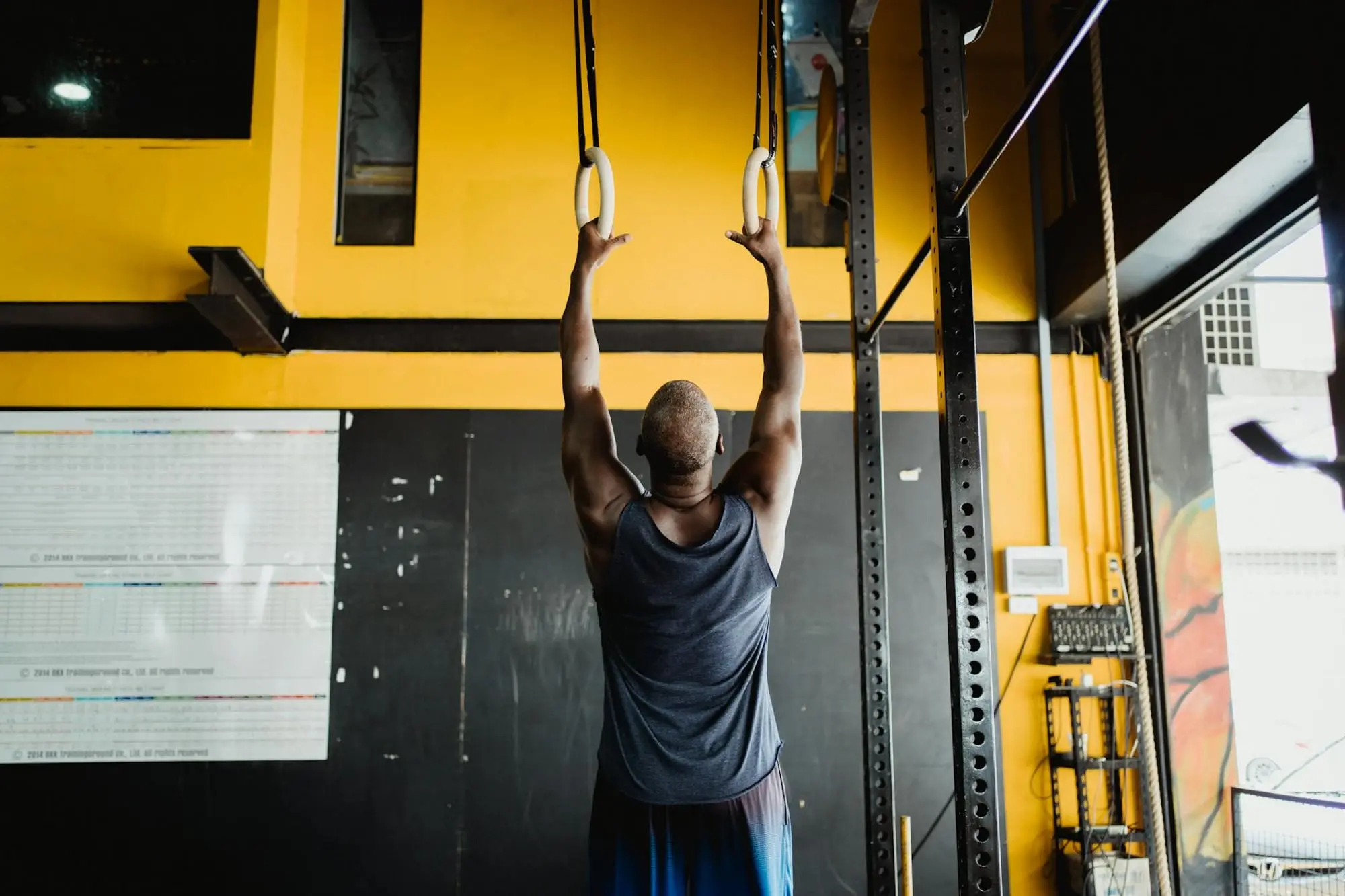
1. Pull-ups and Chin-ups remain the gold standard for back and bicep development. Tracy Anderson, who trains Gwyneth Paltrow, told Vogue that pull-ups are “non-negotiable” for creating that coveted V-shape silhouette.
2. Push-ups offer incredible versatility and can be modified for any fitness level. Research shows that standard push-ups activate the chest muscles 95% as effectively as the bench press.
3. Overhead Press builds functional shoulder strength while engaging the core. Don Saladino, trainer to Ryan Reynolds and Blake Lively, incorporates overhead pressing into every upper body session.
4. Bent-over Rows target the posterior chain, crucial for posture and shoulder health. Studies indicate that rowing movements can improve shoulder stability by up to 25%.
5. Chest Dips effectively target the lower chest and triceps. According to the American College of Sports Medicine, dips generate significantly more tricep activation than traditional tricep extensions.

6. Lat Pulldowns provide a scalable alternative to pull-ups while allowing precise weight selection. Exercise scientists note that lat pulldowns can be particularly effective for beginners building pull-up strength.
7. Chest Press (Dumbbell or Barbell) remains fundamental for building pressing strength and chest development. Research from Arizona State University found that dumbbell presses activate stabilizing muscles 40% more than machine alternatives.
8. Face Pulls address the often-neglected rear deltoids and middle traps. Physical therapists frequently recommend face pulls for improving shoulder health and posture.
9. Bicep Curls provide targeted arm development when performed with proper form. While often dismissed as vanity exercises, research shows curls play an important role in elbow joint stability.
10. Tricep Extensions complete the arm development equation. Studies indicate that overhead tricep extensions activate the long head of the triceps more effectively than other variations.
What the Experts Recommend
Celebrity trainers consistently emphasize several key principles when designing upper body programs. According to multiple fitness professionals interviewed by Men’s Health and Shape magazine, successful upper body training requires strategic planning and consistent progression.
The National Academy of Sports Medicine recommends the following weekly structure for optimal upper body development:
- 2-3 upper body sessions per week for beginners
- 3-4 sessions for intermediate trainees with at least 48 hours between sessions
- Focus on 6-8 exercises per session combining compound and isolation movements
- Perform 3-4 sets of 8-12 repetitions for muscle growth
- Include both pushing and pulling movements in every session
- Prioritize form over weight to prevent injury and maximize effectiveness
- Progress gradually by adding weight or repetitions each week
Harley Pasternak emphasizes the importance of movement quality over quantity. “I’d rather see someone do 10 perfect push-ups than 20 sloppy ones,” he told People magazine. “Quality movement patterns build lasting strength and prevent injury.”
Programming Your Upper Body Workouts

Creating an effective upper body program requires balancing volume, intensity, and recovery. According to research from the International Journal of Sports Medicine, optimal muscle protein synthesis occurs when training sessions are spaced 48-72 hours apart.
Celebrity trainer Jeanette Jenkins, who has worked with Alicia Keys and Pink, structures upper body sessions around movement patterns rather than individual muscles. “Think push, pull, and stabilize,” Jenkins explained to Fitness magazine. “This approach ensures balanced development and reduces injury risk.”
The most effective programs alternate between different movement patterns and intensity levels. Research shows that varying rep ranges and exercise selection prevents adaptation plateaus and maintains consistent progress.
| Exercise Category | Primary Muscles | Weekly Frequency | Rep Range |
|---|---|---|---|
| Pushing Movements | Chest, Shoulders, Triceps | 2-3 times | 8-15 reps |
| Pulling Movements | Back, Biceps | 2-3 times | 6-12 reps |
| Isolation Work | Individual muscle groups | 1-2 times | 12-20 reps |
Recovery plays an equally important role in upper body development. According to sleep researchers at Stanford University, muscle protein synthesis peaks during deep sleep phases. This makes adequate rest non-negotiable for serious trainees.
Nutrition timing also impacts upper body training results. Research published in the American Journal of Clinical Nutrition found that consuming 20-30 grams of protein within two hours post-workout optimizes muscle recovery and growth.
Progressive overload remains the most critical factor for continued development. A 2024 meta-analysis found that individuals who consistently increased training demands saw 3x greater strength improvements compared to those following static programs.
The integration of technology has revolutionized upper body training approaches. Apps like Nike Training Club and platforms like Peloton now offer structured upper body programs designed by certified trainers, making expert guidance more accessible than ever before.
Frequently Asked Questions
How often should I train my upper body for optimal results?
Most fitness experts recommend 2-3 upper body sessions per week with at least 48 hours of rest between sessions. This frequency allows for adequate recovery while providing sufficient stimulus for muscle growth and strength development.
Can I build significant upper body muscle without weights?
Absolutely. Bodyweight exercises like push-ups, pull-ups, and dips can build substantial muscle when performed with proper progression. Research shows that bodyweight training can be equally effective as weighted exercises when resistance is progressively increased through advanced variations.
What’s the difference between training for strength versus muscle size?
Strength training typically involves heavier weights (85-95% of your max) for fewer repetitions (1-5 reps), while muscle building occurs best with moderate weights (65-80% of max) for higher repetitions (8-15 reps). Both approaches have merit and can be combined for optimal results.
How long before I see visible changes in my upper body?
Most people begin noticing strength improvements within 2-3 weeks, while visible muscle changes typically appear after 6-8 weeks of consistent training. Factors like genetics, nutrition, sleep, and training consistency all influence the timeline of visible results.
You might also like