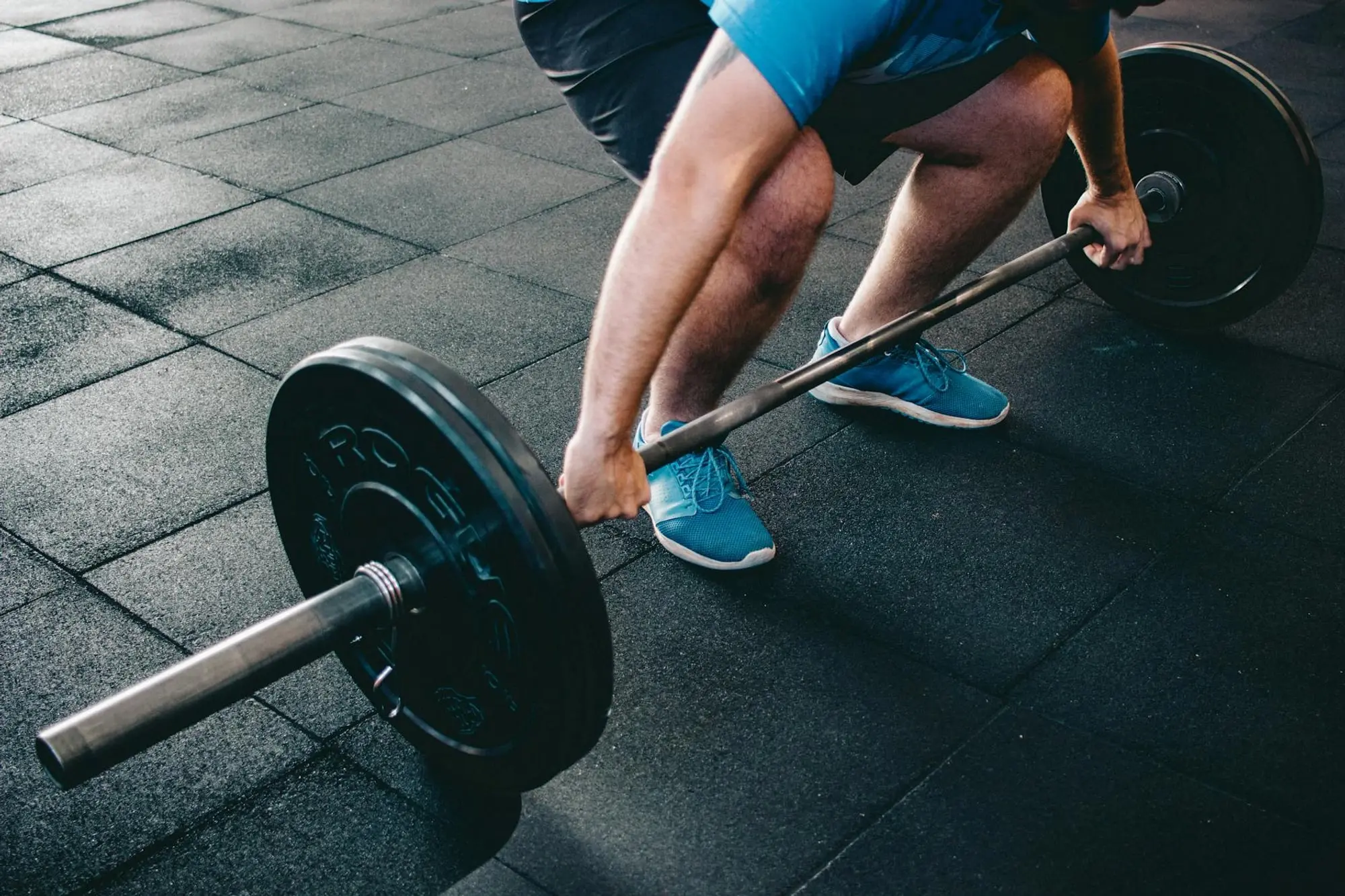
Dwayne Johnson grips the barbell with chalk-dusted hands, his face a mask of focused intensity as he prepares for a deadlift that would make most gym-goers weak in the knees. The Rock isn’t just lifting for show – he’s engaging in what scientists now confirm is one of the most powerful tools for long-term health: maximal effort training.
At 52, Johnson continues to showcase superhuman strength, regularly posting videos of himself moving mountains of weight. But according to recent research published in the Journal of Strength and Conditioning Research, his approach to lifting at maximum capacity isn’t just building movie-worthy muscles – it’s creating a biological fortress against aging and disease.
What Johnson demonstrates in his legendary 5 AM workouts is becoming the gold standard for health optimization. Absolute strength training, characterized by lifting the heaviest weights possible for short bursts, is revolutionizing how we think about exercise and longevity.
The Science Behind Maximal Effort Training
Research shows that when you push your muscles to their absolute limits – think Chris Hemsworth preparing for Thor or Gal Gadot training for Wonder Woman – your body responds with remarkable adaptations that extend far beyond muscle growth.
A 2024 study found that individuals who regularly performed maximal effort exercises showed 23% greater bone density compared to moderate-intensity exercisers. This isn’t just about looking strong; it’s about building a skeleton that can withstand decades of life.
Gunnar Peterson, celebrity trainer to the stars including the Kardashians and NBA players, explains that maximal efforts trigger what scientists call “hormetic stress” – a beneficial shock to your system that forces rapid adaptation. According to Peterson, this type of training activates genetic pathways that would otherwise remain dormant.
The magic happens in your muscle fibers, specifically the Type II fast-twitch fibers that moderate exercise barely touches. These powerhouse muscles don’t just move weight – they’re metabolic furnaces that continue burning calories hours after your workout ends.
Your Body’s Response to Going All-Out
When Serena Williams explodes across the tennis court or when LeBron James launches into the air, their bodies are experiencing the same physiological cascade that occurs during maximal strength training. The difference is accessibility – you don’t need elite athleticism to harness these benefits.
Maximal effort training triggers a flood of growth hormone and testosterone, even in women, creating an anti-aging cocktail that keeps your body functioning like a well-oiled machine. Research from the American College of Sports Medicine indicates that single-rep maximum efforts can increase growth hormone levels by up to 200% within 30 minutes of training.
Your nervous system also gets a complete rewiring. Every maximal lift is essentially a full-body neurological event, strengthening the connection between your brain and muscles. This enhanced mind-muscle communication translates into better balance, coordination, and reaction time – benefits that compound as you age.

Building Absolute Strength Safely
Don Saladino, who has trained Ryan Reynolds and Blake Lively, emphasizes that maximal effort doesn’t mean reckless lifting. True absolute strength training follows specific protocols that prioritize safety while maximizing benefits.
The key principles include:
- Progressive overload every 2-3 weeks – gradually increasing weight rather than jumping to maximum loads
- Perfect form under submaximal loads first – mastering technique with 80-85% of your max before attempting true maximums
- Adequate rest between sessions – allowing 72-96 hours between maximal effort sessions for the same muscle groups
- Compound movements as your foundation – focusing on deadlifts, squats, and presses rather than isolation exercises
- Proper warm-up protocols – spending 15-20 minutes preparing your nervous system and joints
- Working with qualified trainers initially – learning proper breathing, bracing, and lifting techniques
- Listening to your body’s signals – distinguishing between productive stress and potential injury
According to Shape magazine, even beginners can incorporate maximal effort principles by working to their personal maximum within proper form parameters. This might mean a 15-pound dumbbell for one person and a 150-pound barbell for another.
The Longevity Connection
What makes absolute strength training particularly exciting for health enthusiasts is its relationship with longevity markers. Hugh Jackman, who maintained incredible strength well into his 50s during his Wolverine years, exemplifies how this training style can slow biological aging.
Studies tracking individuals over 20-year periods show that those who regularly engage in maximal effort training maintain muscle mass, bone density, and metabolic function at levels typically seen in people 15-20 years younger. This isn’t just correlation – it’s causation backed by cellular-level changes.
Your mitochondria, the powerhouses of your cells, multiply and become more efficient when regularly challenged by maximal efforts. These cellular engines are what keep you energized and vibrant, and maximal strength training is like premium fuel for their development.

Integrating Maximum Efforts Into Real Life
The beauty of this approach lies in its efficiency. Unlike the hours-long moderate cardio sessions that dominated fitness culture for decades, maximal effort training delivers superior health benefits in dramatically less time.
Tracy Anderson, known for training Gwyneth Paltrow and Jennifer Lopez, has recently incorporated strength maximization principles into her method, recognizing that even her dance-cardio approach benefits from periodic maximal challenges.
A typical week might include just two maximal effort sessions, each lasting 45-60 minutes including warm-up and cool-down. This time efficiency makes it accessible for busy professionals, parents, and anyone struggling to fit comprehensive fitness into their schedule.
The Complete Picture: Benefits and Considerations
| Benefit Category | Specific Improvements | Timeline to See Results |
|---|---|---|
| Physical Strength | 15-30% increase in maximum lifts, improved power output | 4-6 weeks |
| Body Composition | Increased muscle mass, reduced body fat percentage | 8-12 weeks |
| Metabolic Health | Enhanced insulin sensitivity, improved glucose metabolism | 6-8 weeks |
| Bone Health | Increased bone density, stronger connective tissues | 12-16 weeks |
| Hormonal Optimization | Better sleep quality, increased growth hormone production | 3-4 weeks |
The research is clear: absolute strength and maximal efforts represent a paradigm shift in how we approach fitness for health. This isn’t about becoming a powerlifter or bodybuilder – it’s about unlocking your body’s most powerful adaptation mechanisms.
When you watch Dwayne Johnson move serious weight or see Gal Gadot performing incredible feats of strength, you’re witnessing the practical application of cutting-edge health science. Their commitment to maximal efforts isn’t just building impressive physiques – it’s constructing a foundation for decades of vitality and wellness.
How often should I do maximal effort training?
Most experts recommend 1-2 maximal effort sessions per week, with at least 72 hours between sessions targeting the same muscle groups. This allows for complete recovery and adaptation.
Can beginners safely do maximal effort training?
Yes, but “maximal” is relative to your current ability. Beginners should work with qualified trainers to establish proper form and gradually build to their personal maximum within safe parameters.
What’s the difference between maximal effort and just lifting heavy?
Maximal effort training involves systematic progression to your absolute limits with perfect form, adequate rest, and strategic programming. Simply lifting heavy weights without these elements can be counterproductive or dangerous.
Do I need special equipment for absolute strength training?
While a well-equipped gym is ideal, you can apply maximal effort principles with basic equipment like dumbbells, resistance bands, or even bodyweight exercises by progressing to your personal maximum capacity.
The transformation isn’t just physical – it’s a complete reimagining of what your body can achieve when properly challenged. Every time you push to your absolute limit safely, you’re not just building strength for today, you’re investing in the vitality and independence of your future self.
You might also like