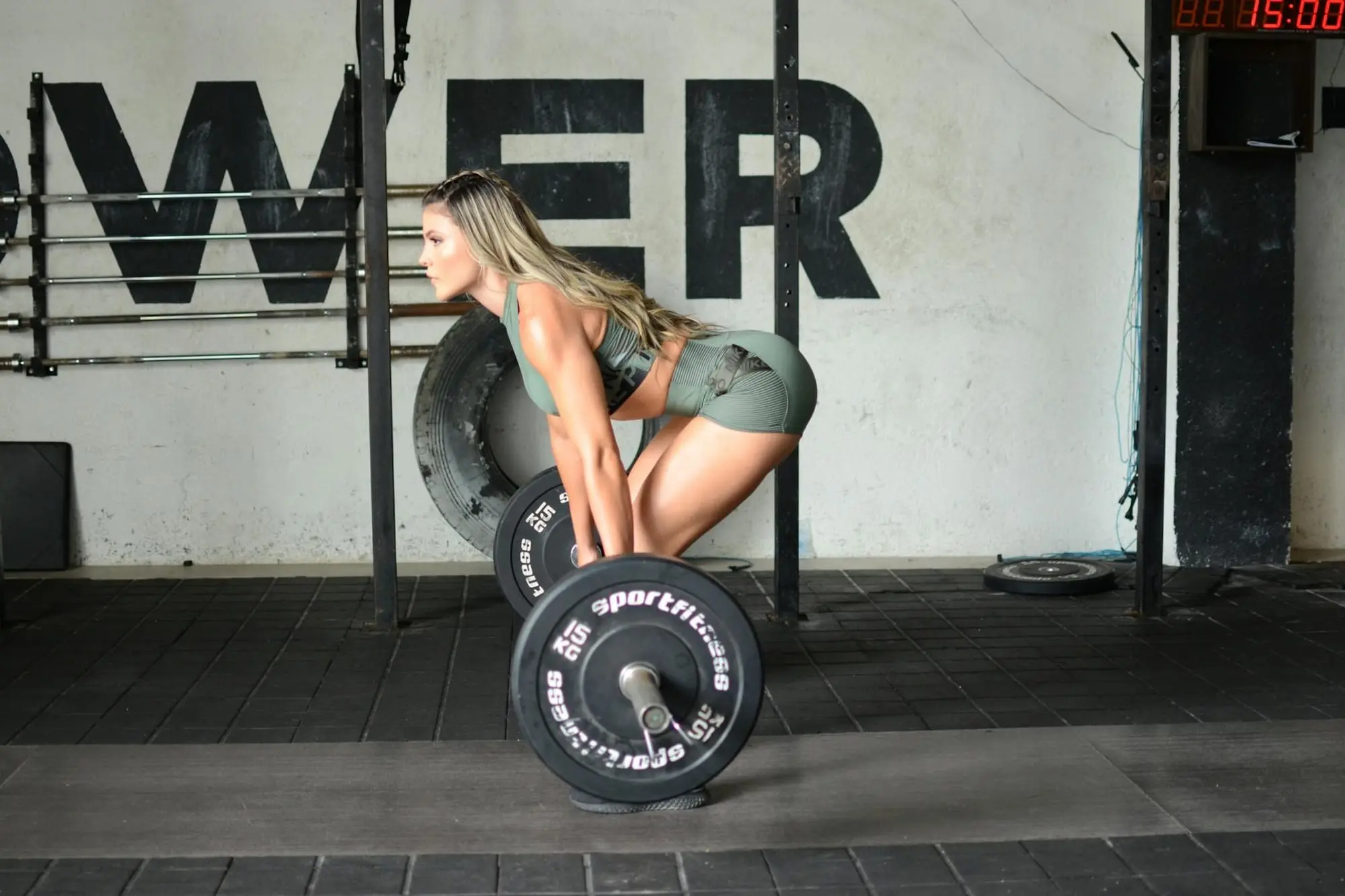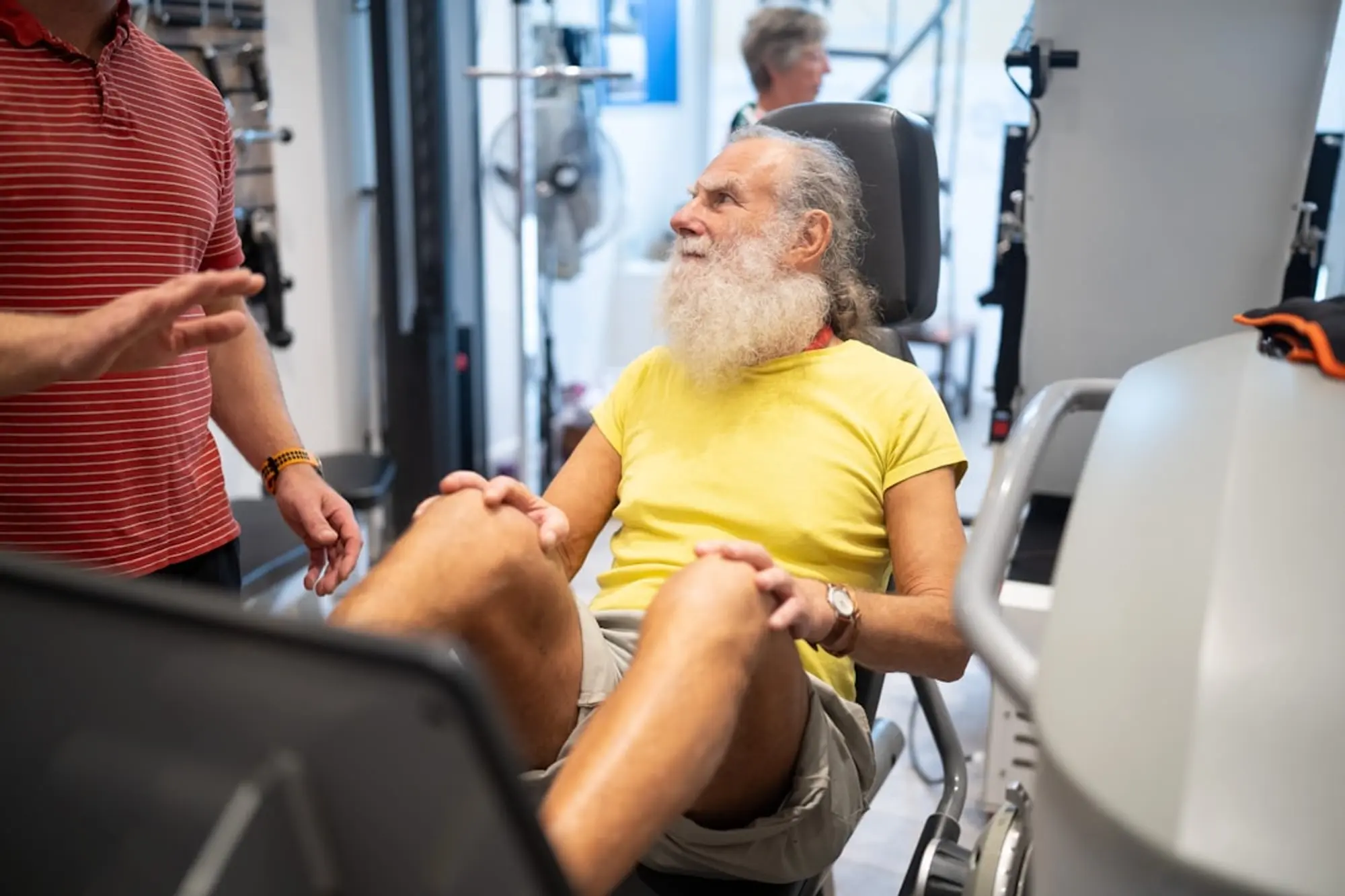
The sweat was already beading on Chris Hemsworth’s forehead as he wrapped up his final set of deadlifts at his home gym in Byron Bay. The Thor actor paused, towel draped around his neck, staring at the treadmill across the room. Should he hop on for his cardio session now, or call it a day after crushing his strength training? It’s a question that has plagued fitness enthusiasts for decades, and even Hollywood’s most dedicated gym-goers aren’t immune to the confusion.
Hemsworth, who works with renowned trainer Luke Zocchi, has experimented with both approaches throughout his Marvel training regimens. “Some days I felt stronger doing cardio after weights, other days I wanted to get my heart rate up first,” he shared in a recent Men’s Health interview. This internal debate isn’t unique to A-listers – it’s one of the most common questions personal trainers field from clients.
The timing of cardio versus weight training can significantly impact your results, energy levels, and overall workout satisfaction. Let’s dive into what the experts really think about this fitness conundrum.
The Case for Cardio After Weight Training
Most celebrity trainers, including Gunnar Peterson who has worked with Jennifer Lopez and the Kardashians, advocate for saving cardio until after strength training. The science behind this approach is compelling and rooted in how our bodies utilize different energy systems.
According to research published in the Journal of Strength and Conditioning Research, performing resistance training first allows you to lift heavier weights and maintain better form throughout your session. When you’re fresh, your muscles can generate maximum force, leading to greater strength gains and muscle development.
Peterson explains that this sequencing also optimizes fat burning. “After you’ve depleted your glycogen stores through weight training, your body becomes more efficient at using fat as fuel during cardio,” he notes. This metabolic advantage is why you’ll often see actors like Ryan Reynolds finishing their workouts with 20-30 minutes of steady-state cardio.
The benefits extend beyond just fat loss. A 2024 study found that individuals who performed strength training before cardio showed 15% greater improvements in muscle mass compared to those who did cardio first. This finding has particular relevance for anyone trying to achieve that lean, toned look that’s become synonymous with red carpet ready.
When Cardio First Makes Sense

Despite the general recommendation for weights first, there are legitimate scenarios where flipping the script makes sense. Harley Pasternak, who has trained Lady Gaga and Megan Thee Stallion, sometimes prescribes cardio-first sessions for specific goals.
“If someone’s primary objective is improving cardiovascular endurance – maybe they’re training for a marathon like Ryan Gosling did for a role – then cardio first absolutely makes sense,” Pasternak explains. When cardiovascular fitness is the priority, you want to tackle it while your energy levels are at their peak.
The warm-up factor also can’t be ignored. Some people genuinely perform better with 10-15 minutes of light cardio before hitting the weights. This approach can be particularly beneficial for morning workouts when your body temperature is lower and joints feel stiff.
Research shows that a proper cardiovascular warm-up increases blood flow to working muscles by up to 400%, potentially reducing injury risk. Tracy Anderson, who famously trained Gwyneth Paltrow, often incorporates dynamic cardio movements at the start of sessions to prepare the body for more intensive work.
However, the key distinction here is duration and intensity. We’re talking about brief, moderate-intensity cardio that energizes rather than exhausts.
The Hybrid Approach: Best of Both Worlds
Celebrity trainer Don Saladino, who works with Blake Lively and Hugh Jackman, has popularized a hybrid approach that challenges the traditional either-or mentality. His method involves strategic cardio placement throughout the entire workout.
“I might have a client do 5 minutes of bike intervals, then hit a strength circuit, followed by another cardio burst,” Saladino explains. This approach, sometimes called concurrent training, keeps heart rate elevated while still allowing for quality strength work.
According to Shape magazine, this method has gained traction among Hollywood’s elite because it maximizes time efficiency – crucial when you’re juggling filming schedules. Scarlett Johansson reportedly used similar protocols while preparing for her Black Widow role, alternating between strength intervals and cardio bursts.
The science supports this approach for certain populations. A study from the American College of Sports Medicine found that alternating between cardio and strength training can improve both cardiovascular fitness and muscular endurance simultaneously. However, it may not be optimal for those seeking maximum strength or muscle gains.
Individual Factors That Change Everything
The truth about cardio timing is that there’s no universal answer – individual factors play a massive role in determining what works best. Your fitness goals, training experience, time constraints, and even genetics influence the optimal approach.
Consider these key variables:
- Primary fitness goal: Strength gains vs. weight loss vs. endurance
- Training experience: Beginners vs. advanced athletes
- Time availability: 45 minutes vs. 90 minutes
- Energy patterns: Morning person vs. evening warrior
- Recovery capacity: How quickly you bounce back between exercises
- Injury history: Joint issues or movement limitations
- Sport-specific needs: Runner vs. powerlifter vs. general fitness
Celebrity trainer Jeanette Jenkins, who has worked with Pink and Alicia Keys, emphasizes that she adjusts cardio timing based on each client’s energy patterns and lifestyle. “Some clients are dead after heavy squats and can barely walk on a treadmill. Others feel energized and ready to sprint,” she notes.
The research backs up this individualized approach. A comprehensive review in Sports Medicine found that training responses can vary by up to 40% between individuals, even when following identical programs.

Making the Right Choice for Your Goals
Understanding your primary objective is crucial for determining the optimal cardio-strength sequence. Here’s how different goals align with timing strategies:
| Goal | Recommended Sequence | Reasoning |
|---|---|---|
| Maximum Strength/Muscle Building | Weights First | Preserves energy for heavy lifting, optimizes muscle protein synthesis |
| Weight Loss | Weights First | Depletes glycogen stores, enhances fat oxidation during cardio |
| Cardiovascular Endurance | Cardio First | Prioritizes aerobic adaptations when energy is highest |
| General Fitness | Either/Hybrid | Flexibility allows for preference and schedule optimization |
| Athletic Performance | Sport-Specific | Depends on primary energy system and competition demands |
The key is honestly assessing what matters most to you right now. As Hemsworth learned throughout his various movie preparations, different phases of training call for different approaches. His trainer Luke Zocchi adjusted cardio timing based on whether they were building mass for Thor or leaning out for other roles.
The Bottom Line on Timing
After examining the research and expert opinions, a clear pattern emerges: for most people, most of the time, strength training before cardio produces superior results. This approach optimizes strength gains, muscle development, and fat loss while reducing injury risk.
However, fitness isn’t a one-size-fits-all endeavor. Listen to your body, consider your goals, and don’t be afraid to experiment. What works for Chris Hemsworth might not work for you, and that’s perfectly fine.
The most important factor isn’t whether you do cardio before or after weights – it’s that you’re consistently doing both. As any celebrity trainer will tell you, the best workout plan is the one you’ll actually stick to, regardless of the timing.
Should beginners worry about cardio timing?
For beginners, consistency matters more than perfect timing. Focus on building the habit of regular exercise first, then optimize the details as you progress. Starting with 5-10 minutes of light cardio before weights can help with warm-up and confidence building.
How long should I wait between strength training and cardio?
Most experts recommend transitioning immediately or within 5-10 minutes. Waiting longer can cause your heart rate to drop significantly, requiring another warm-up period and potentially reducing the metabolic benefits of the strength-cardio combination.
Can I do cardio and weights on separate days instead?
Absolutely. Splitting cardio and strength training across different days can actually optimize recovery and performance for both. This approach works particularly well for advanced trainees or those with ample time to dedicate to fitness.
What’s the ideal cardio duration after weight training?
Research suggests 15-30 minutes of moderate-intensity cardio after strength training provides optimal benefits without compromising recovery. Going beyond 45 minutes may start to interfere with muscle growth and strength adaptations.
The beauty of fitness lies in its adaptability. Whether you’re channeling your inner superhero like Hemsworth or simply trying to feel confident in your own skin, remember that the journey is uniquely yours. Trust the process, stay consistent, and let your body guide you toward what feels sustainable and energizing.
You might also like