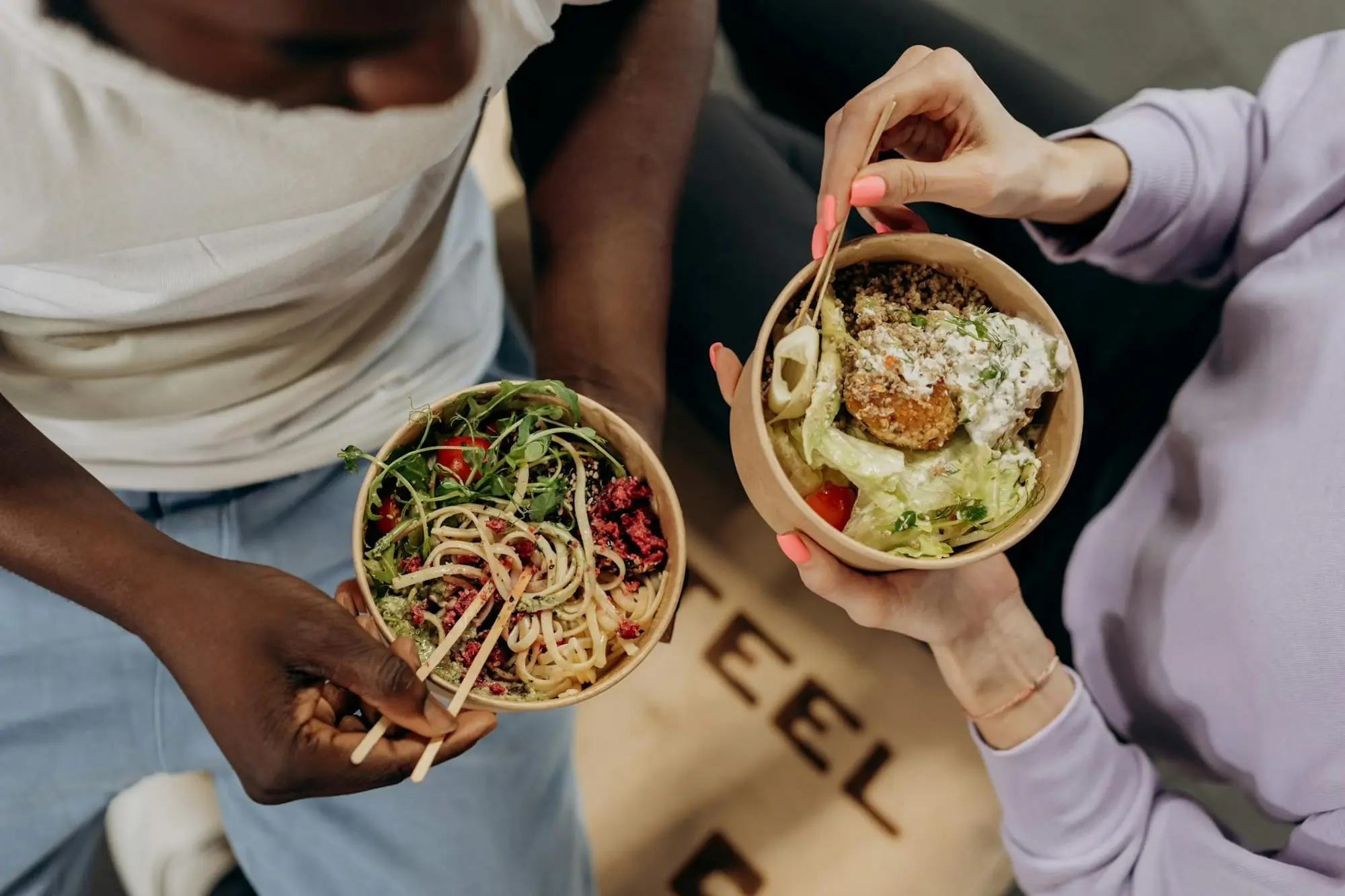
“The fitness industry has created this myth that you need protein powder to build muscle,” celebrity trainer Don Saladino told Men’s Health in a recent interview. Saladino, who has trained actors like Ryan Reynolds and Blake Lively, emphasizes that whole foods can easily meet protein requirements for most people, including those with demanding fitness routines.
The supplement industry generates over $7 billion annually in protein powder sales alone, according to Grand View Research. Yet mounting evidence suggests that most Americans already consume adequate protein through their regular diet, raising questions about whether these expensive powders are necessary.
The Science Behind Protein Requirements
Research from Harvard T.H. Chan School of Public Health indicates that the average adult needs approximately 0.8 grams of protein per kilogram of body weight daily. For a 150-pound person, this translates to roughly 55 grams of protein per day.
A 2023 study published in the Journal of the International Society of Sports Nutrition found that even athletes and bodybuilders rarely need more than 1.6-2.2 grams per kilogram of body weight. According to the research, consuming protein beyond these amounts provides no additional muscle-building benefits.
The Academy of Nutrition and Dietetics reports that most Americans already consume 1.2-1.4 grams of protein per kilogram of body weight through food alone. This exceeds the baseline recommendation and approaches the higher range needed for serious athletes.
Why Celebrities Are Ditching Protein Powders
Actress and wellness advocate Gwyneth Paltrow has long advocated for whole food nutrition over supplements. In an interview with Shape magazine, Paltrow’s nutritionist emphasized prioritizing protein-rich whole foods like wild salmon, organic eggs, and legumes.
Tennis champion Serena Williams similarly focuses on food-first nutrition. According to Women’s Health, Williams meets her substantial protein needs through lean meats, quinoa, and Greek yogurt rather than relying on powders.
Celebrity trainer Harley Pasternak, whose clients include Lady Gaga and Megan Thee Stallion, told People magazine that he rarely recommends protein supplements. “Whole foods provide protein along with essential vitamins, minerals, and fiber that isolated protein powders simply can’t match,” Pasternak explained.

High-Protein Foods That Outperform Supplements
Whole foods offer distinct advantages over protein powders, including better nutrient absorption and additional health benefits. Research from Stanford University demonstrates that the body more efficiently utilizes protein from whole food sources compared to isolated supplements.
Here are protein-rich foods that can easily replace supplements:
- Greek yogurt: 20 grams of protein per cup, plus probiotics for gut health
- Chicken breast: 26 grams of protein per 3.5-ounce serving with complete amino acids
- Lentils: 18 grams of protein per cooked cup, plus fiber and folate
- Eggs: 6 grams of protein each with all nine essential amino acids
- Salmon: 25 grams of protein per 3.5-ounce serving plus omega-3 fatty acids
- Quinoa: 8 grams of protein per cooked cup and a complete protein source
- Cottage cheese: 14 grams of protein per half-cup with slow-digesting casein
What the Experts Recommend
Registered dietitians consistently emphasize food-first approaches to meeting protein needs. According to the American Dietetic Association, whole foods provide superior nutritional value compared to isolated supplements.
Dr. Christopher Gardner from Stanford Prevention Research Center recommends spreading protein intake throughout the day rather than consuming large amounts post-workout. His research shows that steady protein consumption optimizes muscle protein synthesis better than concentrated doses.
The Mayo Clinic suggests that most people can meet protein requirements through three balanced meals containing a palm-sized portion of protein at each meal. This approach naturally provides 60-80 grams of protein daily without supplements.
Sports nutritionists working with professional athletes increasingly recommend whole food strategies. According to Sports Illustrated, NBA nutrition programs now emphasize protein-rich snacks like nuts, seeds, and dairy products over powder-based shakes.

Creating a Supplement-Free Protein Plan
Building a diet that meets protein needs without supplements requires strategic meal planning. Research from the University of Texas suggests that consuming 20-30 grams of protein per meal optimizes muscle protein synthesis throughout the day.
Breakfast options can include eggs with Greek yogurt, providing 25-30 grams of protein. Lunch combinations like chicken salad with quinoa deliver similar amounts while adding fiber and micronutrients.
Dinner strategies should focus on lean proteins paired with legumes or whole grains. A salmon and lentil bowl provides approximately 40 grams of protein plus heart-healthy omega-3 fatty acids.
| Meal | Protein Source | Protein Content | Additional Benefits |
|---|---|---|---|
| Breakfast | 2 eggs + Greek yogurt | 26 grams | Probiotics, vitamin D |
| Lunch | Chicken salad + quinoa | 32 grams | Complete amino acids, fiber |
| Dinner | Salmon + lentils | 43 grams | Omega-3s, folate, iron |
The Cost Factor: Food vs. Supplements
High-quality protein powders cost $1.50-$3.00 per serving, according to Consumer Reports. In contrast, whole food proteins often provide better value while delivering superior nutrition.
A dozen organic eggs costs approximately $4-6 and provides 12 servings of high-quality protein. Greek yogurt, chicken breast, and canned fish offer similar cost advantages while providing vitamins, minerals, and healthy fats absent in protein powders.
Celebrity trainer Gunnar Peterson, who works with the Los Angeles Lakers, told ESPN that his athletes save thousands annually by focusing on whole foods rather than expensive supplement regimens. Peterson emphasizes that proper meal planning eliminates the need for most protein supplements.
Do I need protein powder if I work out intensely?
According to sports nutrition research, even serious athletes can meet protein needs through food. The International Society of Sports Nutrition confirms that whole food proteins are equally effective for muscle building and recovery.
How much protein should I eat per meal?
Research suggests consuming 20-30 grams of protein per meal optimizes muscle protein synthesis. This amount is easily achievable through foods like chicken breast, fish, eggs, or Greek yogurt combined with other protein sources.
Are there any advantages to protein supplements?
Supplements offer convenience for people with extremely busy schedules or specific dietary restrictions. However, nutritionists emphasize that whole foods provide superior overall nutrition and better long-term health benefits.
What if I’m vegetarian or vegan?
Plant-based diets can easily meet protein requirements through combinations of legumes, quinoa, nuts, seeds, and soy products. Research from Harvard shows that varied plant proteins provide all essential amino acids when consumed throughout the day.