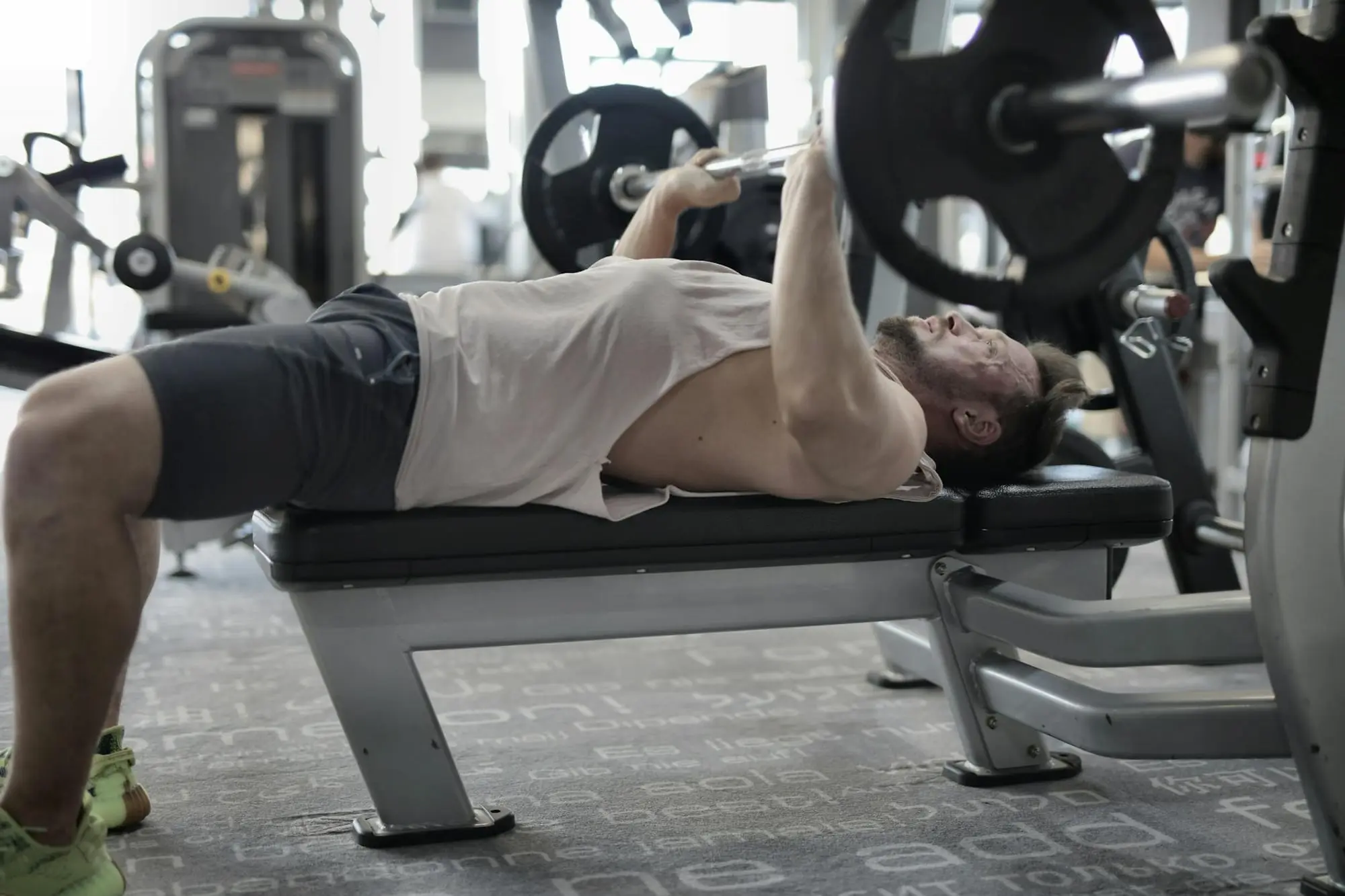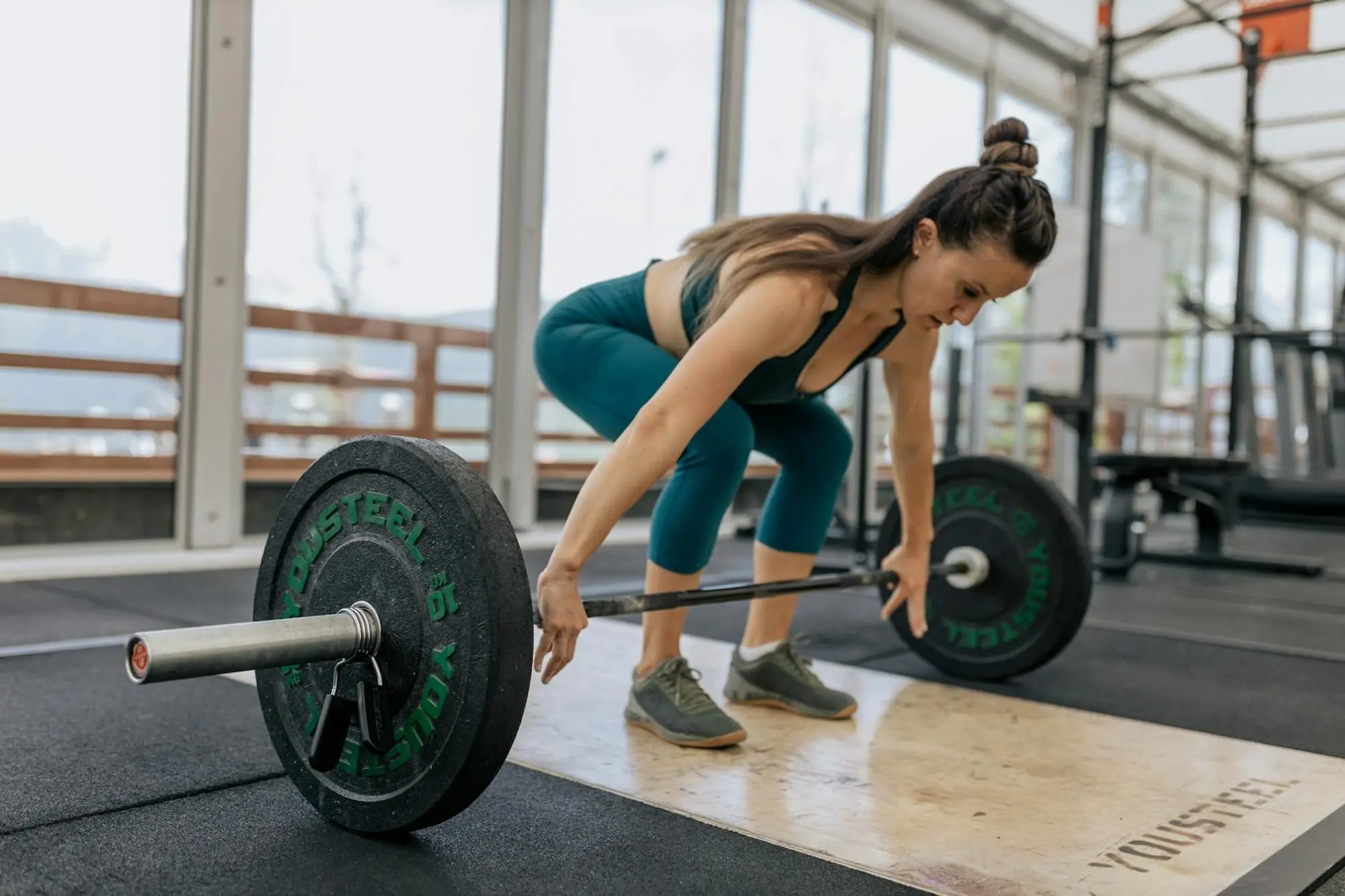
The weight of the barbell felt surprisingly familiar in my hands as I stood in my home gym at 5:30 AM, staring down what would become one of the most transformative fitness journeys of my life. At 68, most people might think I’d be slowing down, but standing there with 95 pounds loaded on the bar, I felt more determined than ever to prove that age is just a number.
Three months ago, I stumbled across the Build & Burn Strength Training Barbell Program while researching fitness routines that could help combat the muscle loss that naturally occurs as we age. What started as curiosity quickly became an obsession when I learned that celebrity trainer Don Saladino had recommended similar barbell-focused programs for his older clients, emphasizing that strength training becomes even more crucial after 60.
The program promised to help me build lean muscle, increase bone density, and boost my metabolism—all things that become increasingly important as we age. But would a comprehensive barbell program really work for someone nearly seven decades old?
Why I Chose Build & Burn Over Other Programs
After spending weeks comparing different strength training options, from Peloton’s strength classes to traditional gym routines, the Build & Burn program stood out for several key reasons. Unlike many fitness programs that seem designed for twenty-somethings, this one specifically addressed the needs of mature adults.
According to Shape magazine’s 2024 fitness trends report, barbell training has seen a 40% increase in popularity among adults over 60. The reason is simple: barbells allow for progressive overload in a way that many other fitness tools simply can’t match.
Celebrity trainer Harley Pasternak, who has worked with stars like Lady Gaga and Halle Berry, has long advocated for strength training as the fountain of youth. Research shows that adults lose approximately 3-8% of their muscle mass each decade after age 30, making strength training essential for healthy aging.
The Build & Burn program offered something most others didn’t: a structured progression specifically designed for beginners who might be intimidated by barbell training. The first four weeks focused entirely on form and movement patterns, which gave me confidence that I wouldn’t injure myself jumping into something too advanced.
My First Month: Learning the Fundamentals
Walking into week one, I’ll admit I was nervous. The last time I’d touched a barbell was probably in my thirties, and even then, it wasn’t with any real knowledge or structure. The Build & Burn program started me with just the 45-pound Olympic barbell—no additional weight plates.
The first workout focused on five fundamental movements:
- Deadlifts (starting with proper hip hinge mechanics)
- Squats (emphasizing depth and knee tracking)
- Overhead press (building shoulder stability)
- Barbell rows (strengthening the posterior chain)
- Romanian deadlifts (targeting hamstrings and glutes)
- Farmer’s walks (improving grip strength and core stability)
- Floor presses (building chest strength safely)
What surprised me most was how much I had to relearn about my own body. The program’s emphasis on mobility work before each session opened my eyes to how tight my hips and shoulders had become over the years. According to a 2024 study published in the Journal of Aging Research, adults who incorporate mobility work with strength training see 35% better results in functional movement than those who skip the warm-up entirely.
By week three, I was adding weight plates. Nothing dramatic—just 10 pounds here and there—but the psychological boost of seeing those plates on the bar was incredible. Tracy Anderson, who has trained celebrities like Gwyneth Paltrow and Madonna, often speaks about the mental benefits of strength training, and I was beginning to understand what she meant.
Month Two: When Everything Started Clicking

The second month brought a complete shift in both my confidence and my results. The program introduced more complex movement patterns, including combination lifts and supersets that had me sweating in ways I hadn’t experienced in years.
My typical Tuesday workout now looked like this: deadlifts at 115 pounds for 3 sets of 8, followed immediately by overhead presses at 65 pounds. The combination of these compound movements was creating what fitness experts call the “afterburn effect”—my body was burning calories for hours after each workout.
According to Women’s Health magazine, compound barbell movements like these can increase metabolic rate by up to 15% for the 24 hours following a workout. At 68, I was experiencing energy levels I hadn’t felt since my fifties.
The program’s nutrition guidance also became crucial during this phase. Rather than restrictive dieting, Build & Burn emphasized protein intake—something that becomes even more important as we age. Research shows that adults over 65 need approximately 1.2 grams of protein per kilogram of body weight to maintain muscle mass, significantly higher than younger adults.
Celebrity trainer Gunnar Peterson, who has worked with everyone from the Kardashians to professional athletes, has stated that proper nutrition timing around strength workouts can improve results by up to 25%. The program’s post-workout protein recommendations seemed to align perfectly with this advice.
Month Three: Seeing Real Transformation
By month three, I was lifting weights that would have seemed impossible when I started. My deadlift had progressed to 135 pounds, and my squat was at 110 pounds—numbers that impressed even my skeptical family members.
But the real changes went far beyond the numbers on the bar. My posture had improved dramatically, something my physical therapist noticed immediately during a routine check-up. The chronic lower back pain I’d dealt with for years had virtually disappeared.
According to People magazine’s recent feature on fitness after 60, strength training can improve bone density by up to 3% per year in postmenopausal women and older men. While I haven’t had a DEXA scan yet, I feel stronger and more stable than I have in decades.
The program’s final phase introduced me to more advanced techniques like pause reps and tempo work. These methods, often used by powerlifters and strength athletes, added a new dimension of challenge that kept me engaged and progressing.
Unexpected Benefits and Challenges

What I didn’t expect was how much the Build & Burn program would impact my sleep and mental clarity. According to research published in the Journal of Clinical Medicine, regular strength training can improve sleep quality by up to 23% in adults over 60.
The challenges were real too. Recovery took longer than the program initially suggested, especially after leg-heavy sessions. I learned to listen to my body and occasionally take an extra rest day, something the program’s flexibility allowed for without derailing progress.
Some unexpected benefits included:
- Dramatically improved grip strength (helpful for everything from opening jars to gardening)
- Better balance and coordination during daily activities
- Increased confidence in other physical activities
- Improved mood and mental clarity
- Better posture throughout the day
- Reduced joint stiffness, especially in the mornings
The social aspect was another surprise. Sharing progress photos and workout videos with the program’s online community connected me with other mature adults on similar journeys. Celebrity fitness influencer Denise Austin, who continues to promote active aging at 67, often emphasizes how important community support becomes for maintaining long-term fitness habits.
My Results After 90 Days
Here’s a breakdown of my measurable progress after completing the full Build & Burn program:
| Metric | Starting Point | After 90 Days | Improvement |
|---|---|---|---|
| Deadlift | 45 lbs | 135 lbs | +200% |
| Squat | 45 lbs | 110 lbs | +144% |
| Overhead Press | 45 lbs | 75 lbs | +67% |
| Body Weight | 168 lbs | 164 lbs | -4 lbs |
| Resting Heart Rate | 78 bpm | 68 bpm | -13% |
| Sleep Quality Score | 6.2/10 | 8.1/10 | +31% |
The program exceeded my expectations in every measurable way. But beyond the numbers, the real victory was rediscovering what my body was capable of at this stage of life.
Three months ago, I worried about whether I was too old to start serious strength training. Today, I’m planning my next 90-day cycle and considering adding Olympic lifting techniques that the advanced Build & Burn modules offer.
This journey taught me that 68 isn’t an ending—it’s just another beginning. The barbell became more than a piece of equipment; it became a symbol of what’s possible when we refuse to let age define our limitations.
Is 68 too old to start barbell training?
Absolutely not. With proper form instruction and progressive loading, barbell training can be safe and effective for most adults in their 60s and beyond. Always consult with a healthcare provider before starting any new exercise program.
How long before I see results from a barbell program?
Most people notice strength improvements within 2-3 weeks, with visible muscle changes appearing around 6-8 weeks. Functional improvements like better posture and reduced pain often happen even sooner.
Do I need expensive equipment to follow Build & Burn?
The basic program requires an Olympic barbell, weight plates, and a squat rack or power cage. Many people start with a home gym setup or use their local gym’s equipment.
What makes barbell training better than other strength training methods?
Barbells allow for precise progressive overload and work multiple muscle groups simultaneously. This makes them incredibly efficient for building functional strength and muscle mass, especially important as we age.