
“Body recomposition is the holy grail of fitness,” celebrity trainer Tracy Anderson told Shape Magazine in a recent interview. “It’s not about losing weight on the scale—it’s about transforming your body composition to build lean muscle while simultaneously reducing body fat.”
The Women’s Health+ (WH+) Body Recomp Guide represents a comprehensive approach to achieving what many consider the most challenging fitness goal: simultaneously building muscle and losing fat. According to research published in the Journal of the International Society of Sports Nutrition, body recomposition requires a precise balance of nutrition, resistance training, and recovery protocols that differs significantly from traditional weight loss or muscle-building programs.
The Science Behind Simultaneous Muscle Gain and Fat Loss
Body recomposition defies the conventional wisdom that muscle building and fat loss are mutually exclusive processes. Research from McMaster University demonstrates that untrained individuals and those returning from extended breaks can achieve both goals simultaneously through strategic programming.
Celebrity trainer Gunnar Peterson, who has worked with Kim Kardashian and Jennifer Lopez, explained to Men’s Health that body recomposition success depends on creating a moderate caloric deficit while maintaining adequate protein intake. “The magic happens in that sweet spot where you’re feeding the muscle while starving the fat,” Peterson noted.
Studies show that individuals can lose 1-2 pounds of fat per week while gaining 0.25-0.5 pounds of muscle when following proper protocols. The key lies in nutrient timing, progressive overload, and maintaining a caloric deficit of no more than 300-500 calories below maintenance levels.
Essential Components of the WH+ Approach
The Women’s Health+ methodology incorporates evidence-based strategies that have been validated through peer-reviewed research and celebrity trainer protocols. According to Women’s Health Magazine, their approach focuses on three fundamental pillars that work synergistically.
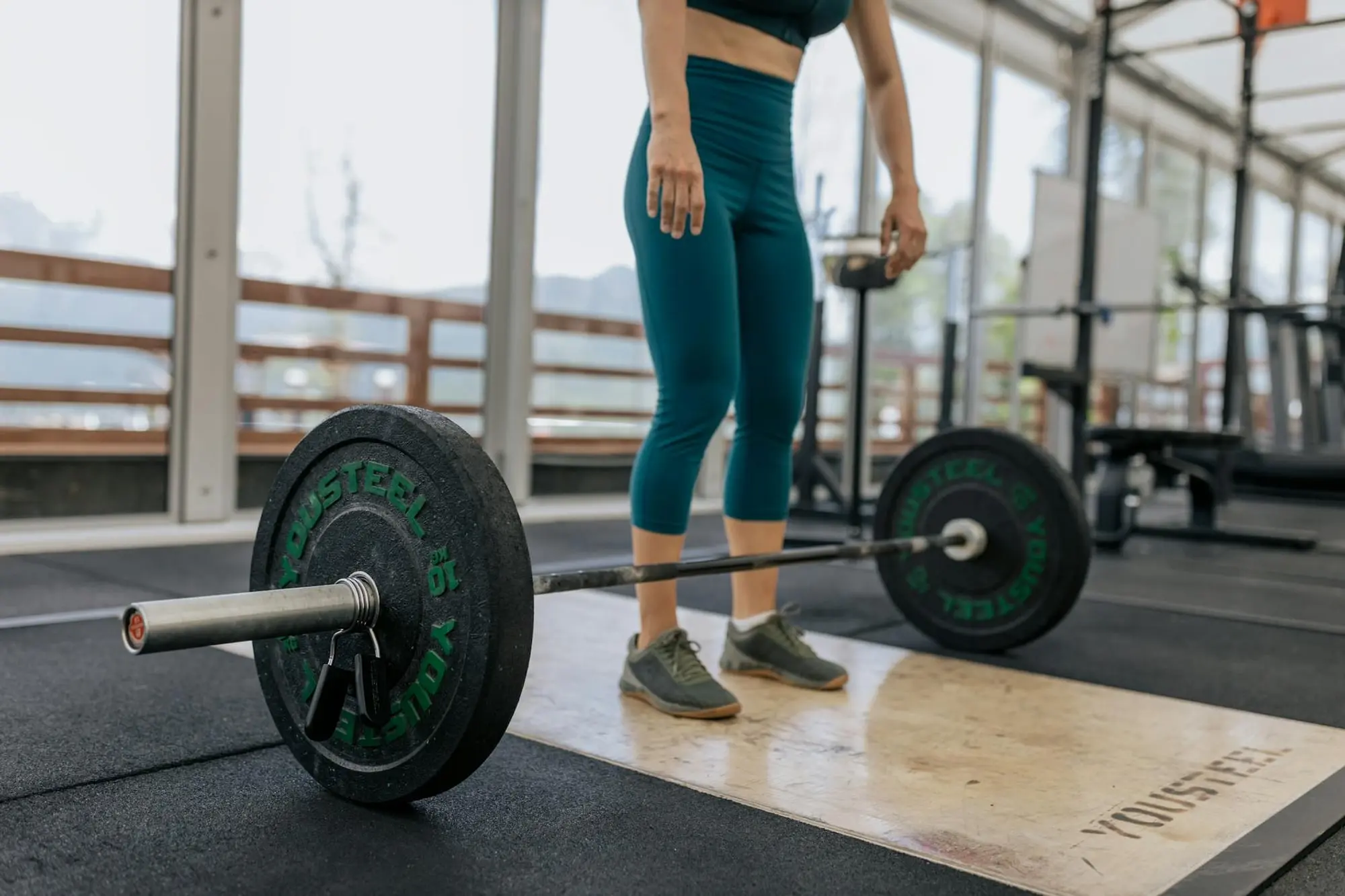
Resistance Training Protocols form the foundation of any successful body recomposition program. The WH+ guide emphasizes compound movements that recruit multiple muscle groups, maximizing both caloric expenditure and muscle protein synthesis. Research from the American College of Sports Medicine indicates that multi-joint exercises like squats, deadlifts, and rows produce superior results compared to isolation movements alone.
Nutritional Periodization represents the second critical component. Celebrity nutritionist Keri Glassman, who has worked with numerous A-list clients, told Prevention Magazine that strategic carbohydrate cycling around training sessions optimizes both performance and body composition changes.
The third pillar involves Recovery Optimization, including sleep quality and stress management. Studies from Stanford University demonstrate that inadequate sleep can reduce muscle protein synthesis by up to 18% while simultaneously increasing cortisol levels that promote fat storage.

What the Experts Recommend
Leading fitness professionals consistently emphasize specific protocols when discussing successful body recomposition strategies. Harley Pasternak, trainer to celebrities including Ariana Grande and Lady Gaga, shared his top recommendations with People Magazine.
The expert consensus revolves around several non-negotiable principles that appear across successful programs:
- Maintain protein intake at 1.2-1.6 grams per kilogram of body weight daily
- Perform resistance training 3-4 times per week with progressive overload
- Create a moderate caloric deficit of 300-500 calories below maintenance
- Prioritize compound movements over isolation exercises
- Ensure 7-9 hours of quality sleep nightly
- Include 2-3 cardio sessions weekly, emphasizing HIIT protocols
- Track body composition changes rather than relying solely on scale weight
According to research published in Sports Medicine, individuals following these protocols typically see measurable changes within 4-6 weeks, with significant transformation occurring over 12-16 week periods.
Timing Your Nutrition for Maximum Results
The WH+ approach places significant emphasis on nutrient timing, a strategy supported by extensive research from the International Society of Sports Nutrition. Celebrity trainer Don Saladino, who trains Ryan Reynolds and Blake Lively, explained to Men’s Fitness that meal timing can amplify training adaptations.
Pre-workout nutrition should focus on easily digestible carbohydrates consumed 30-60 minutes before training. Research shows that 20-30 grams of carbohydrates can enhance training intensity without interfering with fat oxidation during the session.
Post-workout protocols become critical for body recomposition success. Studies indicate that consuming 25-40 grams of high-quality protein within two hours post-exercise maximizes muscle protein synthesis while maintaining the metabolic advantages of training.
The timing of carbohydrate intake particularly impacts body composition outcomes. According to research from the University of Tampa, concentrating carbohydrate intake around training sessions while maintaining lower intake during sedentary periods enhances both muscle growth and fat loss simultaneously.
Programming Your Training Split
The WH+ training methodology incorporates periodized programming that alternates between muscle-building and fat-loss emphasis phases. According to Muscle & Fitness, this approach prevents adaptation plateaus while maintaining progress toward both goals.
| Training Phase | Duration | Primary Focus | Rep Ranges |
|---|---|---|---|
| Strength Foundation | 4 weeks | Muscle Building | 6-8 reps |
| Metabolic Enhancement | 2 weeks | Fat Loss | 12-15 reps |
| Power Development | 3 weeks | Strength & Size | 8-12 reps |
Research from the Journal of Strength and Conditioning Research demonstrates that periodized approaches produce superior body composition changes compared to static programming. The variation prevents both physiological and psychological adaptation while maintaining training intensity.
Celebrity trainer Tracy Anderson emphasized to Vogue that progression tracking becomes essential for long-term success. “Your body adapts quickly,” Anderson noted. “Without consistent progression in either weight, reps, or training density, you’ll plateau within weeks.”

Measuring Progress Beyond the Scale
Traditional weight monitoring fails to capture the nuanced changes occurring during body recomposition phases. According to research published in Obesity Reviews, individuals may maintain stable body weight while simultaneously gaining muscle and losing fat.
Body composition analysis through DEXA scans or bioelectrical impedance provides accurate measurements of lean mass versus fat mass changes. Studies show that successful body recomposition participants often see 2-4 pounds of fat loss paired with 1-2 pounds of muscle gain monthly.
Performance metrics offer additional progress indicators that correlate strongly with body composition improvements. Research from the American Journal of Sports Medicine demonstrates that strength increases of 5-10% monthly typically accompany successful muscle building phases.
Circumference measurements provide practical tracking methods that reflect body composition changes. Celebrity trainer Jillian Michaels told Women’s Health that waist measurements combined with arm and thigh circumferences offer reliable progress indicators without requiring expensive testing equipment.
The WH+ guide emphasizes weekly progress photos taken under consistent lighting and positioning. According to fitness professionals interviewed by Shape Magazine, visual documentation often reveals changes that numeric measurements miss, particularly in muscle definition and overall body shape transformation.
Frequently Asked Questions
How long does body recomposition typically take to show visible results?
Most individuals begin noticing changes within 4-6 weeks, with significant transformation visible after 12-16 weeks of consistent programming. Research from the American College of Sports Medicine indicates that muscle protein synthesis adaptations begin within 48-72 hours, while fat loss becomes visually apparent after 4-6 weeks of adherence.
Can you achieve body recomposition while following a plant-based diet?
Absolutely. Studies published in the Journal of the International Society of Sports Nutrition demonstrate that plant-based athletes can achieve identical body composition results when protein intake reaches 1.6-2.2 grams per kilogram daily. The key involves combining complementary proteins and potentially supplementing with B12 and creatine.
Is body recomposition more difficult for women than men?
Research indicates that hormonal differences create distinct challenges and advantages for each gender. Women typically experience more gradual muscle gain but often achieve superior fat loss results. According to studies from McMaster University, women may require slightly longer timeframes but achieve comparable final outcomes.
Should cardio be eliminated during muscle-building phases of body recomposition?
No. Research from the Journal of Strength and Conditioning Research shows that 2-3 weekly cardio sessions actually enhance recovery and improve body composition when properly programmed. The key involves avoiding excessive volume that interferes with resistance training recovery.
You might also like


 Runner reveals how ditching fitness trackers transformed her marathon training forever
 Scientists confirm: these 50 keto chicken recipes pack maximum protein and flavor