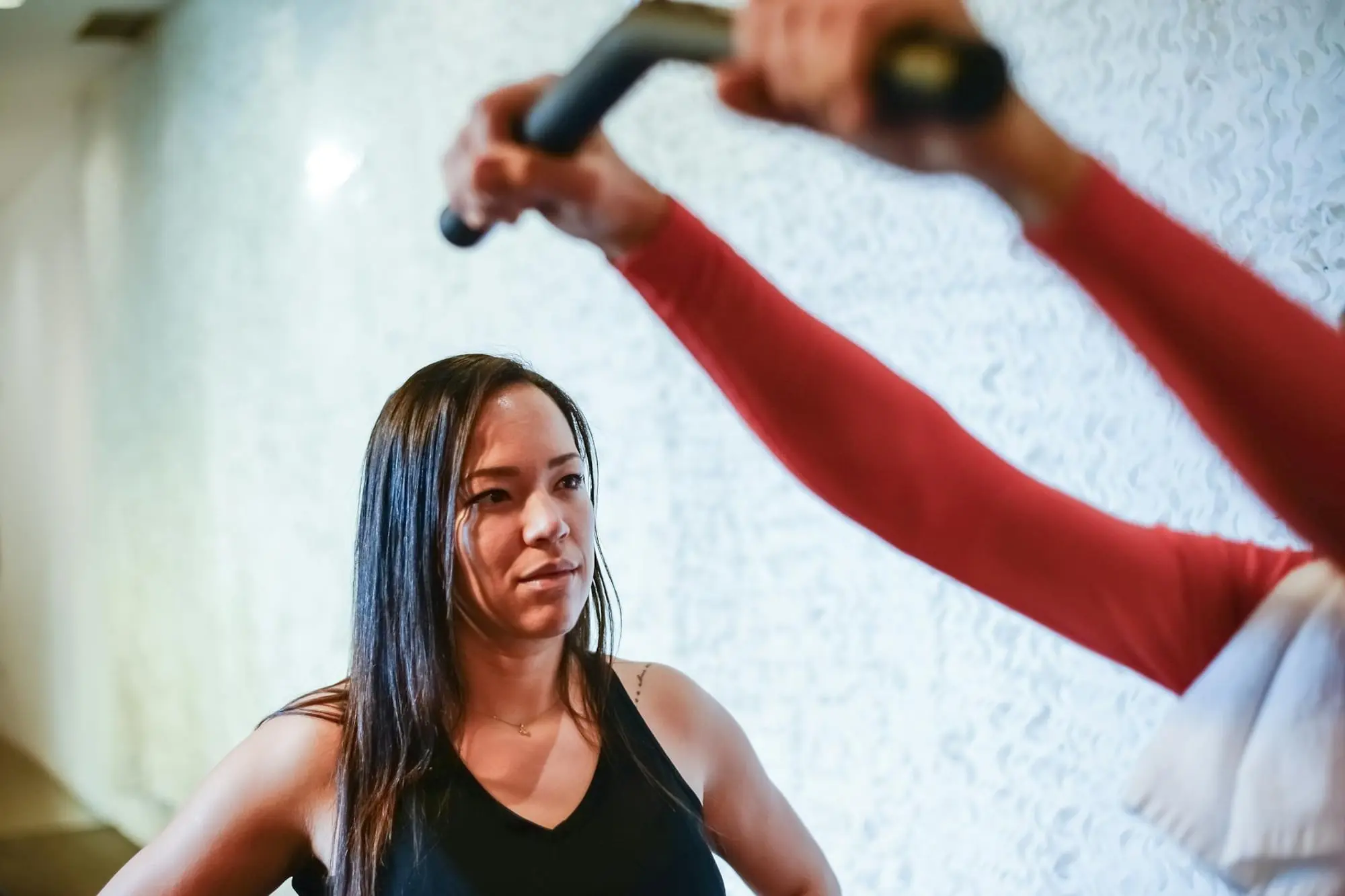
“The human element in fitness coaching cannot be replicated by technology,” celebrity trainer Gunnar Peterson told Men’s Health in a recent interview about the growing AI fitness trend. Peterson, who has trained stars like Jennifer Lopez and Sylvester Stallone, emphasizes that while AI can provide workout templates, it lacks the nuanced understanding of individual biomechanics and psychological motivation that defines effective personal training.
The fitness industry is experiencing a technological revolution, with AI-powered platforms like Mirror, Tonal, and Peloton’s advanced features promising personalized workouts at a fraction of traditional personal training costs. According to a 2024 report from the International Health, Racquet & Sportsclub Association, AI fitness applications have grown by 156% since 2022, with celebrity endorsements driving much of the adoption.
The Rising Tide of AI Fitness Technology
Celebrity trainer Tracy Anderson, known for her work with Gwyneth Paltrow and Madonna, recently partnered with several tech companies to integrate AI elements into her signature method. Research from Stanford University’s Human-Computer Interaction Lab found that AI fitness apps can accurately track form for basic movements with 87% precision, but struggle with complex, multi-planar exercises.
The appeal is undeniable. AI fitness platforms offer 24/7 availability, consistent programming, and costs ranging from $39-199 monthly compared to personal trainers who typically charge $75-150 per session. Peloton’s latest AI features can adjust resistance and suggest modifications in real-time, while Nike Training Club’s algorithm creates custom programs based on performance data.
However, the technology faces significant limitations. According to Shape Magazine’s 2024 fitness technology review, AI systems cannot account for daily variables like stress levels, sleep quality, or minor injuries that experienced trainers instinctively recognize and adjust for during sessions.
Consider This: The Irreplaceable Human Touch
Don Saladino, personal trainer to Ryan Reynolds and Blake Lively, told Women’s Health that his most valuable skill isn’t exercise prescription—it’s reading subtle cues that indicate when clients need encouragement, modification, or challenge. This emotional intelligence represents a fundamental gap in current AI capabilities.
Research from the American College of Sports Medicine demonstrates that clients working with human trainers show 34% better adherence rates and 28% greater strength gains compared to those using app-based programs exclusively. The study, published in their 2024 annual review, attributed these differences to real-time feedback, emotional support, and accountability that AI cannot yet provide.

Celebrity trainer Harley Pasternak, who has worked with Jessica Simpson and Megan Fox, emphasizes injury prevention as a critical differentiator. “I can spot compensation patterns and movement dysfunctions that would take an AI system thousands of data points to identify,” Pasternak explained in a recent Vogue interview.
The Cost-Benefit Analysis: Beyond Dollar Signs
The financial argument for AI fitness seems compelling initially. A comprehensive analysis reveals more nuanced considerations:
| Factor | Human Trainer | AI Platform |
|---|---|---|
| Monthly Cost | $600-1,200 | $39-199 |
| Personalization Level | Highly individualized | Algorithm-based patterns |
| Injury Prevention | Real-time assessment | Pre-programmed modifications |
| Motivation & Accountability | Personal relationship | Gamification features |
| Learning Curve | Guided instruction | Self-directed trial |
According to research from the University of California San Diego, individuals using AI fitness platforms without prior exercise experience show 23% higher injury rates in their first six months compared to those working with certified trainers. The study, published in the Journal of Sports Medicine, suggests that foundational movement education remains crucial for long-term success.
Celebrity trainer Anna Kaiser, who works with Kelly Ripa and Sarah Jessica Parker, told People Magazine that she views AI as a valuable supplement rather than replacement. “Technology excels at tracking metrics and providing variety, but it cannot replace the intuitive adjustments and emotional support that drive real transformation,” Kaiser explained.
What the Experts Recommend
Leading fitness professionals suggest a hybrid approach that leverages both human expertise and technological advantages. Gunnar Peterson advocates for what he calls “tech-enhanced training” rather than complete replacement.
The most effective strategies combine human guidance with AI supplementation:
- Begin with 4-6 sessions with a qualified trainer to establish proper form and baseline fitness
- Use AI platforms for maintenance workouts between trainer sessions
- Schedule monthly check-ins with human trainers for program progression and form assessment
- Leverage AI for tracking metrics, workout variety, and motivation between sessions
- Maintain human trainer relationships for goal-setting and major program changes
- Utilize AI platforms for travel or schedule flexibility while keeping trainer as primary coach
Research from Harvard Medical School’s exercise physiology department found that this hybrid model produces optimal results, combining the consistency of technology with the adaptability of human coaching.

The Technology Timeline: What’s Coming Next
The AI fitness landscape continues evolving rapidly. According to TechCrunch, companies like Mirror and Tonal are developing more sophisticated motion-tracking technology that could address current form-correction limitations within 18 months.
Tracy Anderson recently announced a partnership with an AI company to create what she describes as “intuitive movement coaching” that adapts to energy levels and physical state. However, Anderson emphasizes that this technology will augment rather than replace her human instructors.
Professional athletes are leading adoption trends. According to Sports Illustrated, 73% of NBA players now use AI-powered recovery and training optimization tools, though always in conjunction with human performance coaches rather than as replacements.
The key consideration remains individual fitness experience and goals. Beginners benefit significantly from human guidance to establish proper movement patterns and exercise habits. Advanced exercisers with established routines may find AI platforms effective for maintaining consistency and adding variety.
Making Your Decision: A Strategic Framework
The choice between human trainers and AI platforms shouldn’t be binary. Celebrity trainer Ben Bruno, who has worked with Chelsea Handler and Jimmy Fallon, suggests evaluating your specific circumstances rather than following trends.
Consider your current fitness level, injury history, and learning style. According to the American Council on Exercise, individuals with previous injuries, chronic conditions, or complex goals achieve better outcomes with human trainers who can provide comprehensive assessments and ongoing modifications.
Budget considerations extend beyond monthly fees. Factor in potential injury costs, time investment for self-education, and long-term adherence rates when making financial comparisons.
The most successful approaches often combine both resources strategically. Many celebrities, including Jennifer Aniston and Chris Hemsworth, use AI platforms for maintaining fitness routines while traveling, but rely on human trainers for intensive preparation and major goal achievements.
Can AI platforms replace personal trainers for beginners?
Research suggests beginners benefit significantly from human guidance to establish proper form and exercise habits. AI platforms work better as supplements to initial human instruction rather than complete replacements for new exercisers.
How accurate is AI form correction compared to human trainers?
Current AI technology achieves 87% accuracy for basic movements according to Stanford research, but struggles with complex exercises and subtle compensation patterns that experienced trainers readily identify and correct.
What’s the cost difference between AI fitness and personal training?
AI platforms typically cost $39-199 monthly while personal trainers charge $75-150 per session. However, research shows human trainers produce 34% better adherence and 28% greater strength gains, potentially offering better long-term value.
Do celebrities actually use AI fitness platforms?
Many celebrities use AI platforms as supplements to human training, particularly for travel and maintenance workouts. However, most maintain relationships with personal trainers for intensive preparation and major fitness goals.