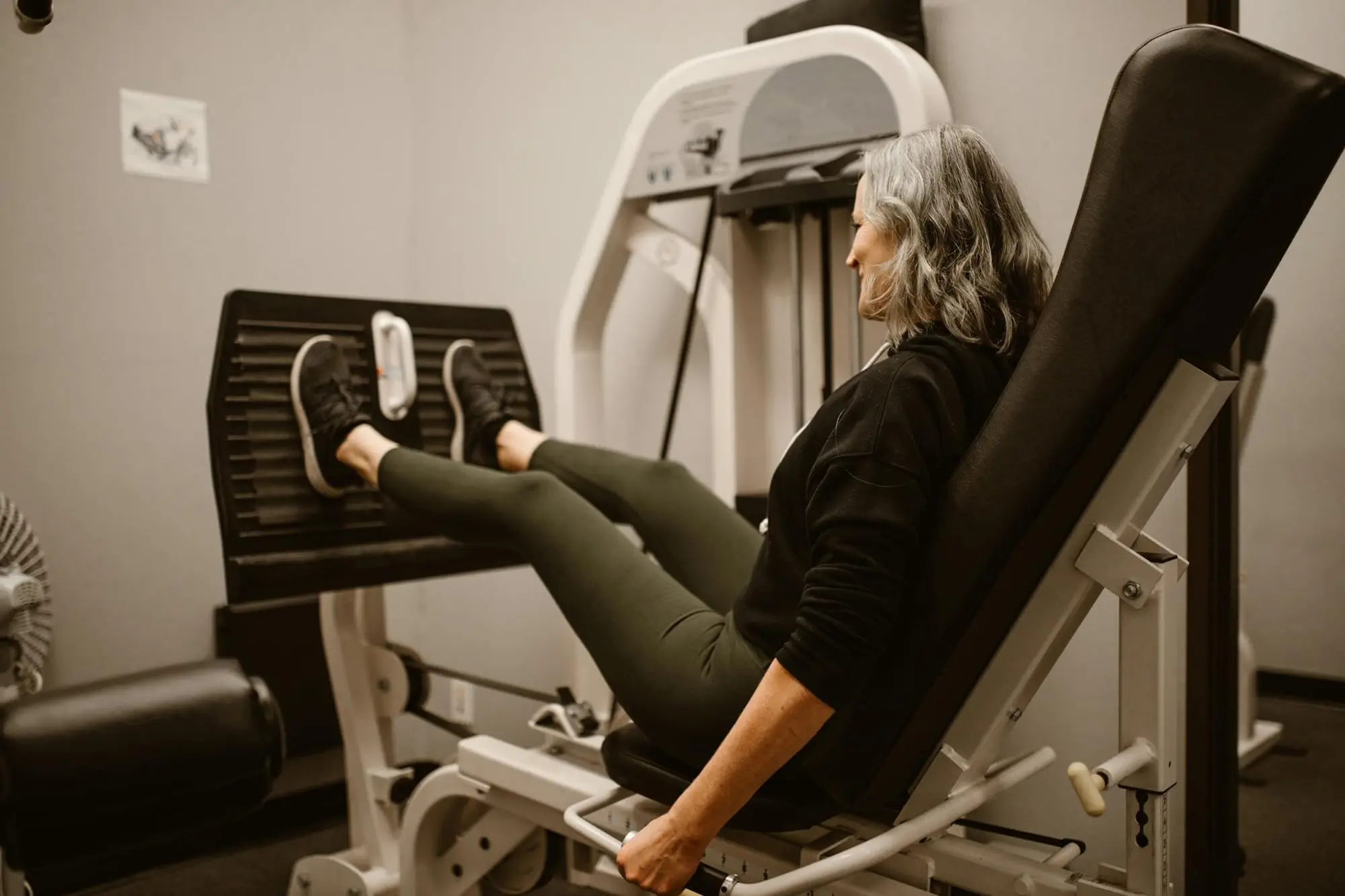
“The right leggings can make or break your workout,” celebrity trainer Jillian Michaels told Shape magazine in 2024. “When you’re comfortable in what you’re wearing, you can focus entirely on pushing your limits and achieving your fitness goals.”
As we move through 2026, the activewear landscape has evolved dramatically, with new fabric technologies and design innovations transforming how we approach workout gear. Our style editors put dozens of leggings through rigorous testing across multiple workout disciplines to identify the absolute best performers for every fitness enthusiast.
The Science Behind Performance Leggings
Modern workout leggings have become sophisticated pieces of athletic equipment. According to research published by the Textile Research Journal, compression garments can improve blood circulation by up to 40% during exercise, leading to enhanced performance and faster recovery times.
The fabric composition plays a crucial role in determining how leggings perform during different activities. Moisture-wicking materials like polyester blends and merino wool composites have become standard, while newer innovations include graphene-infused fibers and antimicrobial treatments.
Celebrity trainer Tracy Anderson, who has worked with Gwyneth Paltrow and Madonna, emphasizes the importance of proper fit. “Your leggings should feel like a second skin,” Anderson told Women’s Health. “Too loose and you lose the compression benefits; too tight and you restrict movement and circulation.”
What the Experts Recommend
Industry professionals consistently highlight several key features when selecting workout leggings. Harley Pasternak, who trains celebrities like Lady Gaga and Rihanna, told Vogue that he always advises clients to prioritize function over fashion when selecting activewear.
The squat test remains the gold standard for evaluating leggings quality. This involves performing a deep squat while checking for transparency, shifting fabric, or uncomfortable bunching. According to fitness experts, quality leggings should maintain their opacity and position throughout the entire range of motion.
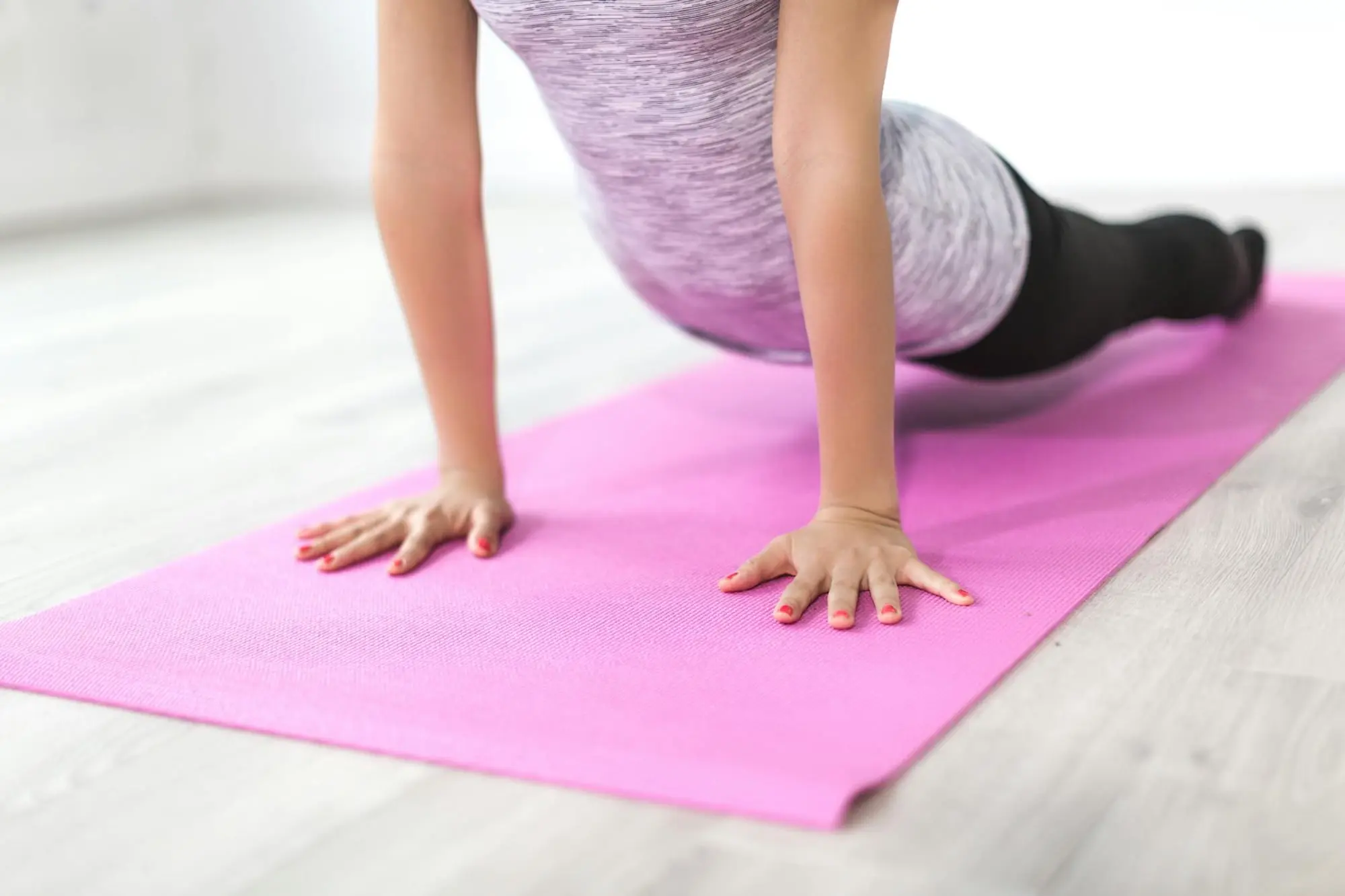
Compression levels vary significantly across brands and styles. Light compression works well for yoga and Pilates, while moderate to firm compression benefits high-intensity interval training (HIIT) and running activities.

Top Performing Leggings by Activity Type
Our comprehensive testing revealed that different workout styles require specific legging features. High-impact activities like CrossFit and plyometrics demand maximum compression and durability, while low-impact practices like yoga prioritize flexibility and breathability.
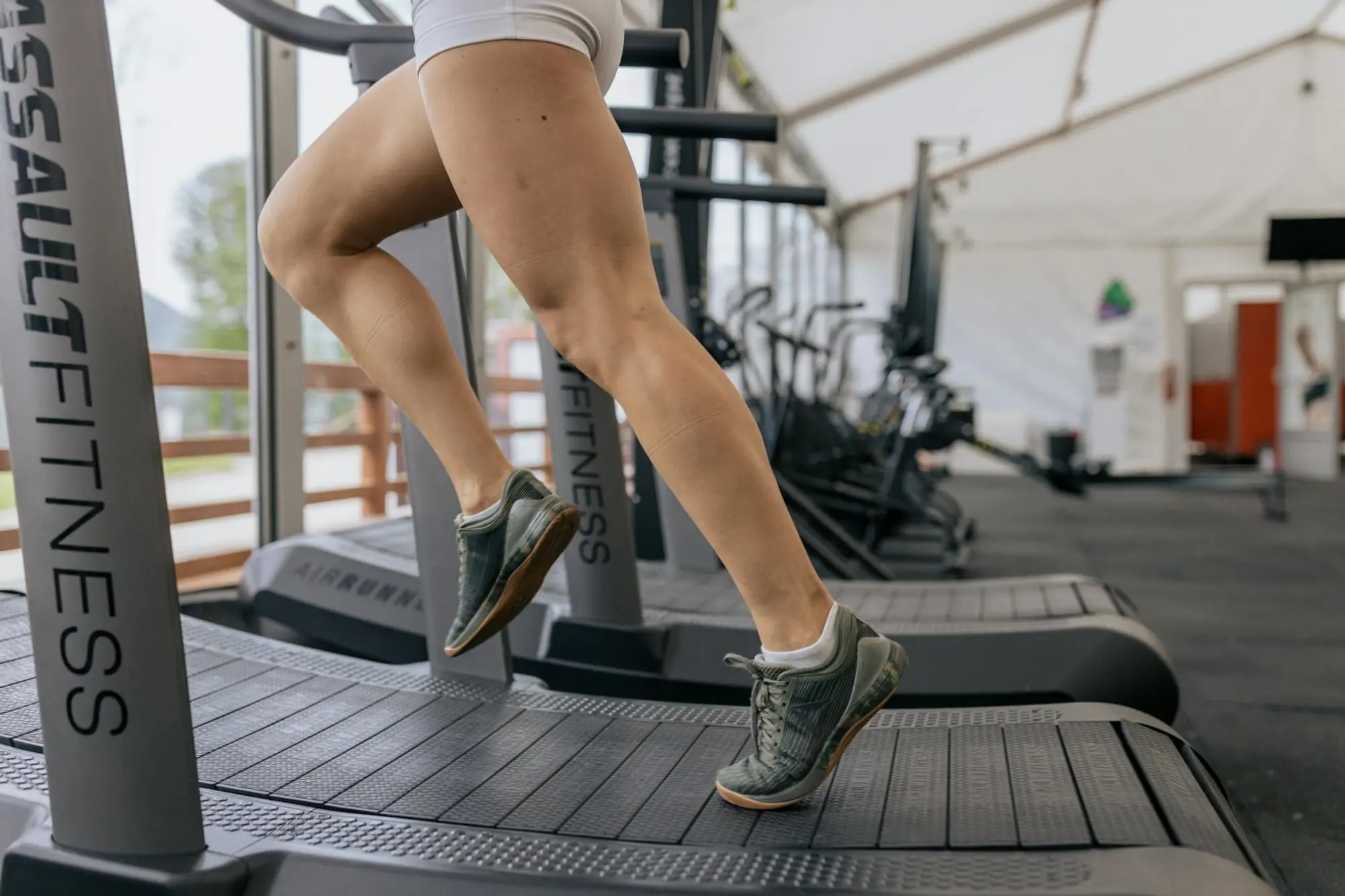
For running enthusiasts, reflective details and secure pockets have become essential features. According to Runner’s World, 73% of runners prefer leggings with side pockets large enough to hold smartphones securely during longer training sessions.
Peloton instructors consistently recommend leggings with four-way stretch capabilities for cycling workouts. The repetitive pedaling motion requires fabric that moves seamlessly with the body while maintaining compression around key muscle groups.
Here’s how our top picks performed across different categories:
| Activity Type | Key Features | Top Performance Factors |
|---|---|---|
| HIIT Training | High compression, sweat-wicking, durability | Fabric recovery, seam strength |
| Yoga/Pilates | Flexibility, breathability, comfort | Four-way stretch, waistband comfort |
| Running | Moisture management, pockets, visibility | Anti-chafing, phone storage |
| Strength Training | Support, squat-proof, range of motion | Opacity retention, compression zones |
Fabric Technology Innovations for 2026
The activewear industry has introduced groundbreaking fabric technologies that address common workout challenges. Antimicrobial treatments now prevent odor-causing bacteria growth, allowing leggings to stay fresh through multiple workout sessions.
According to research from Cornell University’s Fiber Science program, newer synthetic blends can reduce skin temperature by up to 2 degrees Celsius compared to traditional polyester fabrics. This seemingly small difference can significantly impact comfort during intense training sessions.
Seamless construction has become increasingly popular among fitness professionals. Don Saladino, who trains celebrities like Blake Lively and Ryan Reynolds, notes that eliminating friction points can prevent chafing during longer workout sessions.
Key Features to Prioritize
When evaluating workout leggings, fitness experts recommend focusing on these essential characteristics:
- Compression level appropriate for your primary workout style
- Moisture-wicking fabric that keeps skin dry during intense sessions
- Opacity retention that passes the squat test under gym lighting
- Comfortable waistband that doesn’t roll down or dig in
- Durable construction with reinforced seams and quality stitching
- Practical details like pockets, reflective elements, or stirrups
- Easy care instructions that maintain fabric integrity over time

Investment vs. Budget Options
Price doesn’t always correlate with performance in the activewear market. According to Good Housekeeping’s 2025 activewear testing, several mid-range brands outperformed luxury options in durability and comfort metrics.
However, premium leggings often justify their cost through superior fabric technology and construction quality. These investments typically last 2-3 times longer than budget alternatives when subjected to regular intense workouts.
Celebrity trainer Gunnar Peterson, who works with the Kardashian family, told People magazine that he recommends clients invest in 2-3 pairs of high-quality leggings rather than purchasing numerous cheaper alternatives that need frequent replacement.
The cost per wear calculation becomes favorable for premium options when considering their extended lifespan and consistent performance. Quality leggings maintain their compression and shape after 100+ wash cycles, while budget versions often lose elasticity within 6-12 months.
Care and Maintenance for Longevity
Proper care significantly extends leggings lifespan and maintains their performance characteristics. According to textile experts at the Fashion Institute of Technology, washing activewear in cold water and avoiding fabric softeners preserves elasticity and moisture-wicking properties.
Air drying remains the preferred method for maintaining fabric integrity. Heat from dryers can break down elastic fibers and cause premature deterioration of technical fabrics.
Storing leggings flat or hanging prevents stretching and maintains their original shape between wears. Rolling or folding tightly can create permanent creases in compression fabrics.
How often should I replace my workout leggings?
Quality leggings should last 12-18 months with regular use. Replace them when they lose compression, become transparent, or develop permanent odors that washing cannot eliminate.
What’s the difference between yoga and running leggings?
Yoga leggings prioritize flexibility and comfort with lighter compression, while running leggings focus on moisture management, muscle support, and often include reflective details for safety.
Can I wear the same leggings for different workout types?
High-quality leggings with moderate compression and four-way stretch can work across multiple activities. However, specialized features like extra compression for HIIT or specific pocket placement for running may warrant activity-specific pairs.
How do I know if my leggings fit properly?
Properly fitted leggings should feel snug without restricting movement, stay in place during exercise, and pass the squat test for opacity. The waistband should sit comfortably without rolling down or creating muffin-top effects.