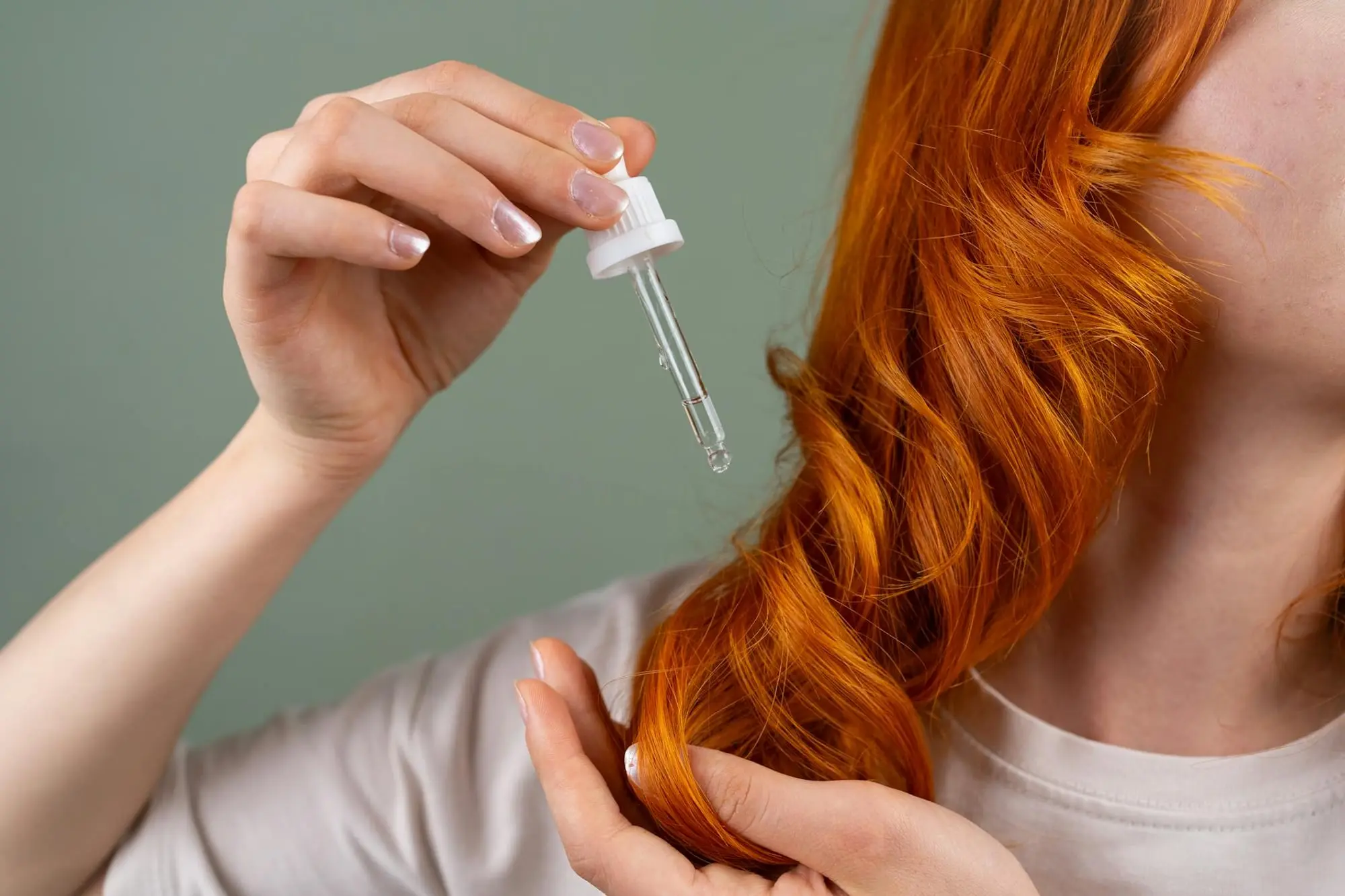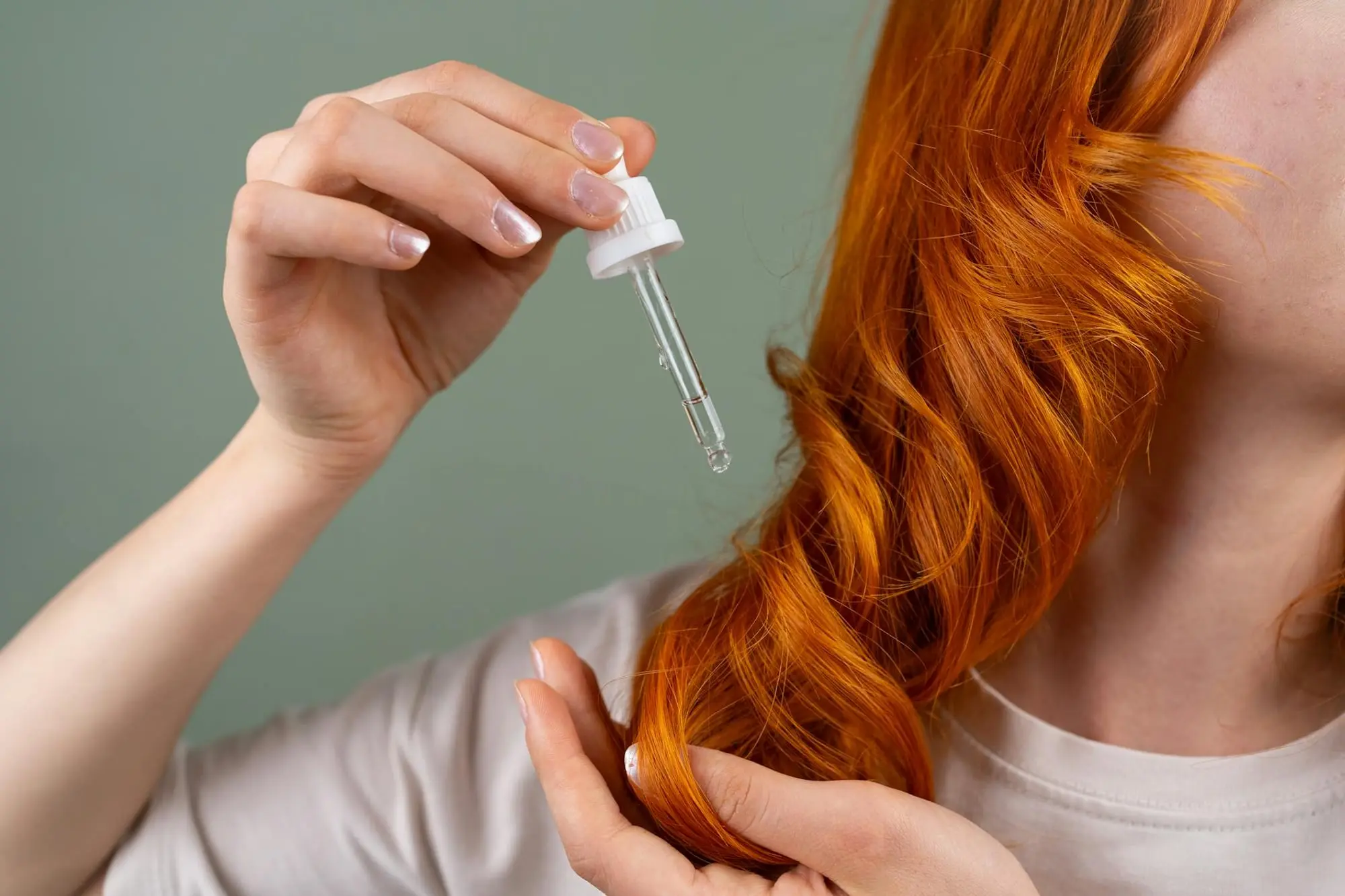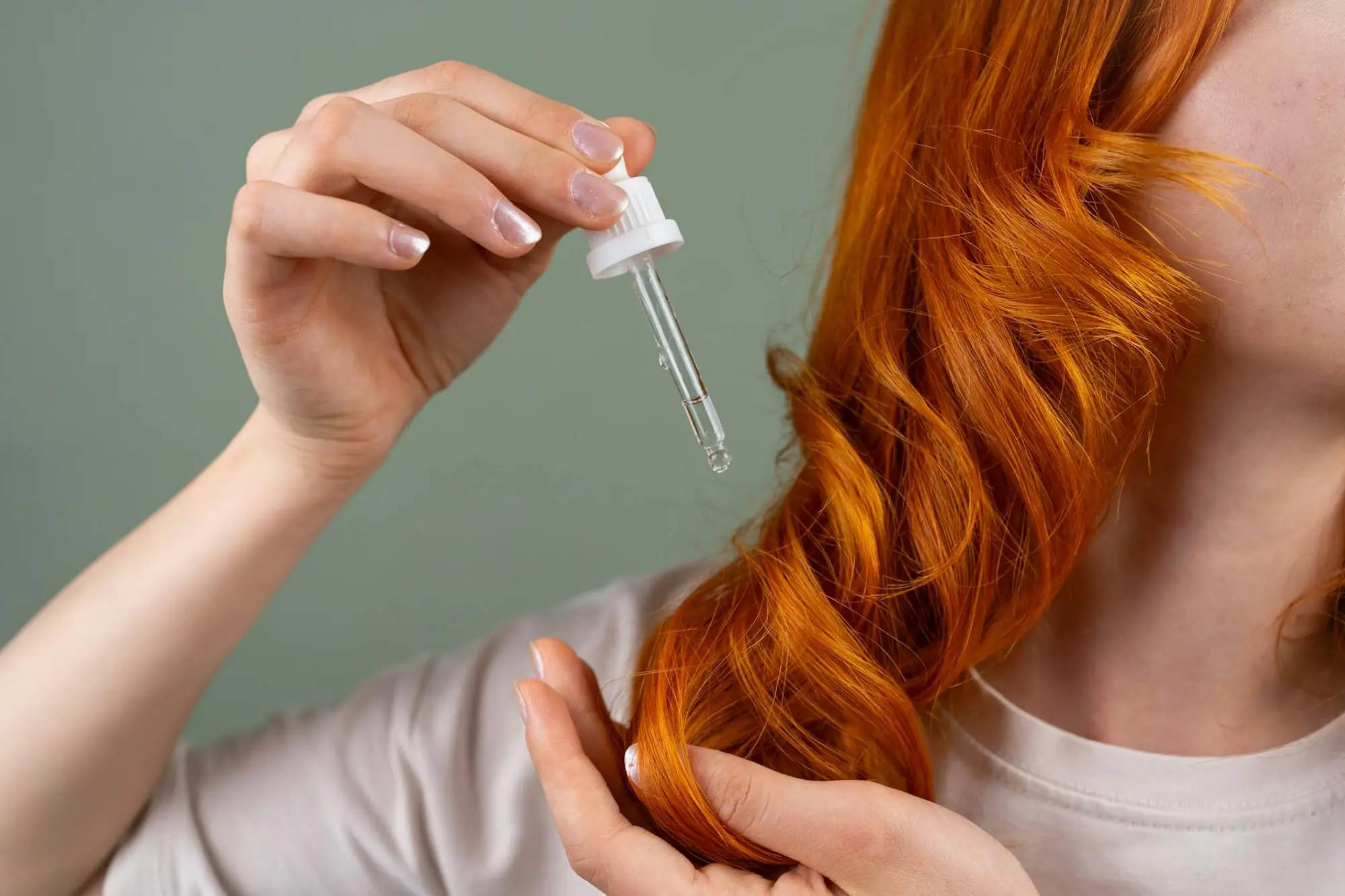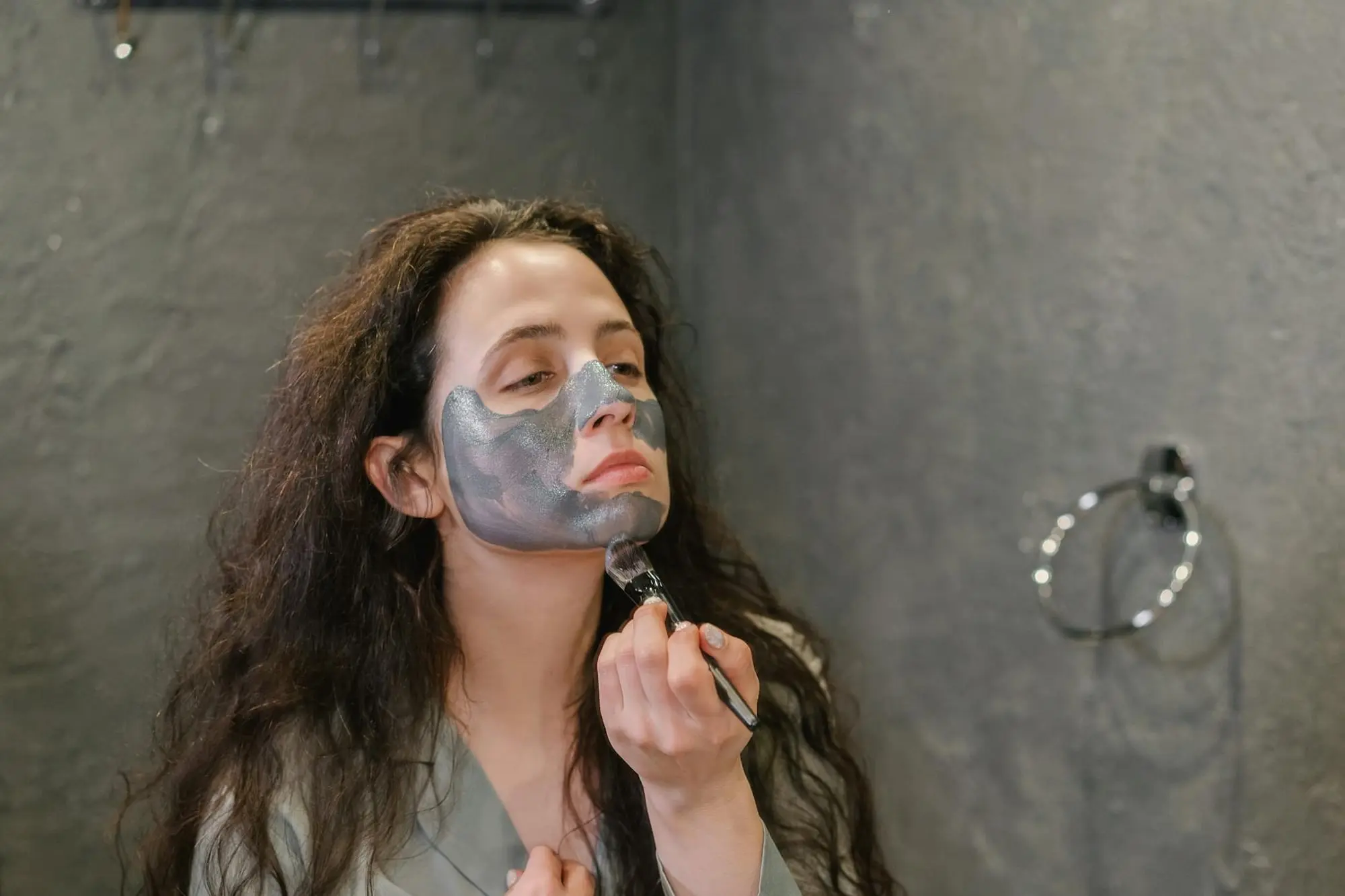
“Hair health is just as important as physical fitness,” celebrity trainer Tracy Anderson recently told Vogue. “When you’re putting your body through intense workouts, your hair takes a beating from sweat, heat, and constant ponytails.” Anderson, who has trained Gwyneth Paltrow and Jennifer Lopez, emphasizes that proper hair care should be part of every fitness enthusiast’s wellness routine.
As we move through 2026, the hair care industry has evolved significantly, with masks becoming increasingly sophisticated in their formulations. According to research from the International Journal of Cosmetic Science, regular use of protein and moisture-rich hair masks can improve hair strength by up to 40% and reduce breakage by 60%.
The celebrity fitness community has taken notice. From Pilates studios to CrossFit boxes, athletes are prioritizing hair health alongside their physical training regimens.
The Science Behind Effective Hair Masks
Professional hairstylists and dermatologists agree that the most effective hair masks combine multiple active ingredients to address different hair concerns simultaneously. According to a 2024 study published in the Journal of Cosmetic Dermatology, hair masks with a pH between 4.5 and 6.5 showed the most significant improvements in hair cuticle smoothness and overall hair health.
Fitness influencer and former Nike athlete Kayla Itsines has been vocal about incorporating hair masks into her post-workout routine. “After intense HIIT sessions, my hair needs serious recovery time,” Itsines shared on Instagram earlier this year.
The key lies in understanding your hair’s specific needs. Protein treatments work best for damaged or chemically processed hair, while moisture-rich formulas benefit dry or naturally textured hair types.
What the Experts Recommend
Celebrity hairstylist Chris Appleton, who works with Kim Kardashian and Jennifer Lopez, emphasizes the importance of consistency. “The best hair mask is useless if you only use it once a month,” Appleton told Harper’s Bazaar. “I recommend my clients use a treatment mask at least twice weekly.”
Dermatologists at the American Academy of Dermatology suggest looking for specific ingredients based on your hair concerns:
- Keratin and hydrolyzed proteins for strengthening damaged hair
- Hyaluronic acid and glycerin for intense moisture retention
- Argan oil and jojoba oil for natural shine and softness
- Peptides and amino acids for hair follicle health
- Ceramides for protecting the hair cuticle
- Biotin and niacinamide for scalp health
- Natural butters like shea and murumuru for deep conditioning
Research from Stanford University’s dermatology department found that masks containing a combination of these ingredients showed 75% better results than single-ingredient formulations.
Top-Performing Formulations of 2026

This year’s standout hair masks incorporate breakthrough technologies that weren’t available even two years ago. Microencapsulation technology allows active ingredients to penetrate deeper into the hair shaft, while time-release formulas continue working hours after application.
Fitness model and Peloton instructor Cody Rigsby recently shared his hair care routine with Men’s Health, noting that he relies on masks with “smart delivery systems” that adapt to his hair’s needs throughout the week.
The most effective masks of 2026 feature multi-molecular weight hyaluronic acid, which can hold up to 1,000 times its weight in water. This technology has revolutionized how masks deliver and maintain moisture in damaged hair.
| Ingredient Category | Primary Benefit | Best For |
|---|---|---|
| Protein Complexes | Structural repair and strengthening | Damaged, chemically treated hair |
| Moisture Binders | Deep hydration and softness | Dry, brittle, or coarse hair |
| Protective Oils | Shine enhancement and cuticle sealing | All hair types, especially fine hair |
Application Techniques for Maximum Results
Celebrity trainer and wellness expert Jillian Michaels emphasizes that technique matters as much as product selection. “You wouldn’t do bicep curls incorrectly and expect results,” Michaels explained during a recent podcast appearance. “The same principle applies to hair care.”
Professional application involves sectioning hair into four quadrants and applying mask from mid-length to ends, avoiding the scalp unless specifically formulated for scalp treatment. Heat activation, whether through a hair dryer or thermal cap, can increase ingredient penetration by up to 50%.
Timing is equally crucial. Most protein treatments should be left on for 10-15 minutes, while moisture masks can be applied for 20-30 minutes without risk of over-conditioning.

Long-term Benefits and Maintenance
Consistency in hair mask application yields cumulative benefits that extend far beyond immediate appearance improvements. According to research from the University of Cincinnati’s dermatology program, regular mask users showed sustained improvements in hair elasticity and strength over 12-week periods.
Celebrity hairstylist Jen Atkin, who works with the Kardashian family and other high-profile clients, advocates for seasonal mask rotation. “Just like you change your skincare routine with the seasons, your hair needs different support throughout the year,” Atkin shared with Allure.
The investment in quality hair masks pays dividends in reduced styling time and decreased need for heat styling tools. Many users report that consistent mask application allows them to air-dry their hair more frequently, reducing overall heat damage.
Professional colorists note that clients who maintain regular mask routines experience 40% longer color retention and require fewer touch-up appointments throughout the year.
How often should I use a hair mask if I work out daily?
For daily exercisers, use a moisture mask twice weekly and a protein treatment once weekly. Alternate between the two types to maintain optimal hair health without over-treating.
Can hair masks replace my regular conditioner?
Hair masks are intensive treatments that supplement, not replace, daily conditioner. Use your regular conditioner for daily maintenance and masks for weekly deep treatment sessions.
Are expensive salon masks always better than drugstore options?
Price doesn’t always indicate effectiveness. Focus on ingredient quality and concentration rather than brand prestige. Many affordable options contain the same active ingredients as luxury formulations.
Should I apply hair masks to wet or damp hair?
Apply masks to towel-dried, damp hair for optimal penetration. Excess water dilutes the formula, while completely dry hair prevents proper distribution and absorption.