Lily Collins was midway through filming the third season of Emily in Paris when she noticed something remarkable happening to her skin. Between the demanding 14-hour shooting days and the stress of international production, her complexion should have been suffering. Instead, her makeup artist kept commenting on how radiant and dewy she looked each morning.
The secret? Collins had discovered Korean face masks during a trip to Seoul the month before filming began. “I became obsessed with the 10-step Korean skincare routine, but honestly, the masks were game-changers,” she revealed in an interview with Vogue. Her glowing skin didn’t go unnoticed by fans either – social media was buzzing with comments about her luminous complexion throughout the season.
Collins isn’t alone in her K-beauty mask obsession. According to a 2024 study by Grand View Research, the global sheet mask market is expected to reach $12.9 billion by 2030, with Korean brands leading the innovation charge. From hydrogel patches to overnight sleeping masks, Korean skincare has revolutionized how we think about intensive skin treatment.
The Science Behind Korean Mask Magic
Korean beauty philosophy centers on prevention rather than correction, which explains why their masks are formulated with cutting-edge ingredients and delivery systems. Research shows that Korean masks typically contain 25-30ml of essence compared to the 15-20ml found in Western alternatives.
Emma Stone discovered this difference firsthand when preparing for award season appearances. Working with celebrity facialist Georgia Louise, Stone incorporated Korean masks into her pre-red carpet routine. “The hydration levels are incomparable,” Louise told Harper’s Bazaar. “Korean masks use innovative materials like bio-cellulose and hydrogel that create an occlusive barrier, forcing ingredients deeper into the skin.”
The key lies in fermentation technology and ingredient layering. Many Korean masks feature fermented ingredients like galactomyces and bifida ferment lysate, which have smaller molecular structures that penetrate more effectively than their unfermented counterparts.
Top-Tier Hydrating Korean Masks That Celebrities Swear By
Jennifer Lopez’s longtime makeup artist Scott Barnes revealed that the ageless icon uses Korean hydrogel masks before every major appearance. “We’ve tried everything over the years, but Korean hydrogel technology gives us results we can see immediately,” Barnes shared with Allure magazine.
Here are the standout hydrating masks that deliver red-carpet-ready results:
- SK-II Facial Treatment Mask – Contains 90% Pitera essence for intensive moisture repair
- Laneige Water Sleeping Mask – Overnight treatment that works while you sleep
- Innisfree Super Volcanic Pore Clay Mask – Deep cleanses while maintaining hydration balance
- The Face Shop Real Nature Rice Face Mask – Brightening and moisturizing with rice water
- Etude House 0.2 Therapy Air Mask – Ultra-thin material for maximum ingredient absorption
- Tony & Mundy I’m Real Avocado Mask – Nourishing treatment for dry, dull skin
- Klairs Rich Moist Soothing Mask – Gentle hydration for sensitive skin types
Celebrity esthetician Shani Darden, who works with Jessica Alba and Chrissy Teigen, emphasizes the importance of mask material. “The delivery system matters as much as the ingredients,” she explained to Women’s Health. “Korean brands have perfected bio-cellulose and hydrogel technologies that Western brands are still catching up to.”

Brightening and Glow-Boosting Korean Mask Formulations
Gigi Hadid credits Korean vitamin C masks with maintaining her model-perfect complexion despite constant travel and makeup changes. According to Elle, Hadid’s go-to routine includes Korean masks featuring niacinamide and vitamin C derivatives that brighten without irritation.
The brightening power of Korean masks comes from their sophisticated approach to ingredient stability. Traditional vitamin C masks often oxidize quickly, but Korean formulations use magnesium ascorbyl phosphate and sodium ascorbyl phosphate – stable vitamin C derivatives that remain potent throughout the product’s shelf life.
Arbutin, derived from bearberry plants, appears frequently in Korean brightening masks. This gentle alternative to hydroquinone inhibits tyrosinase activity, reducing dark spots without the harsh side effects. Research published in the Journal of Cosmetic Dermatology found that arbutin showed significant brightening effects after just four weeks of regular use.
Korean fermented rice water masks have gained particular attention after Margot Robbie mentioned using them during Barbie press tours. Rice water contains kojic acid and ferulic acid, both proven to reduce hyperpigmentation while providing deep hydration.
Anti-Aging and Firming Korean Mask Technologies
Sandra Bullock, at 59, continues to stun on red carpets partly thanks to her dedication to Korean anti-aging masks. Celebrity facialist Joanna Vargas, who works with Bullock, told People magazine that Korean peptide masks are “absolutely revolutionary” for mature skin.
Korean anti-aging masks utilize advanced peptide complexes that stimulate collagen production. Copper peptides, palmitoyl pentapeptide-3, and acetyl hexapeptide-8 work synergistically to improve skin elasticity and reduce fine lines. A 2023 study in the International Journal of Cosmetic Science showed that regular peptide mask use improved skin firmness by 23% over eight weeks.
Snail secretion filtrate, while initially off-putting to Western audiences, has become a K-beauty staple for good reason. This ingredient contains allantoin, glycolic acid, and elastin – a powerhouse combination for skin repair and regeneration. Helen Mirren surprised fans when she revealed using snail masks in a Vogue beauty interview, crediting them with her smooth, age-defying complexion.

How to Maximize Your Korean Mask Results
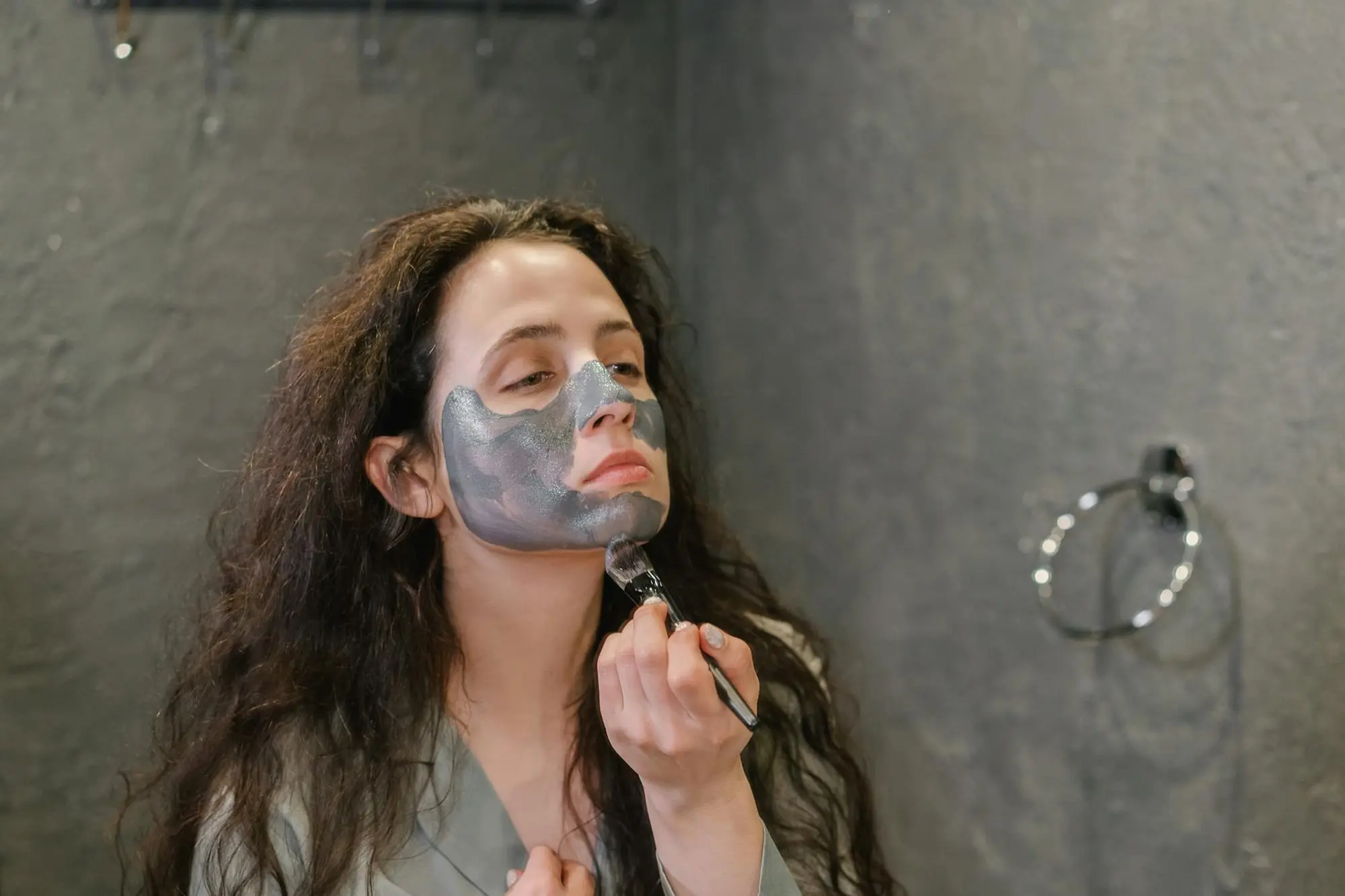
Timing and technique significantly impact mask effectiveness. According to dermatologist Dr. Dennis Gross, who has worked with numerous celebrities including Scarlett Johansson, the optimal mask application time varies by type. Hydrogel masks should stay on for 20-30 minutes, while sleeping masks work best with 6-8 hour application periods.
Temperature also matters. Storing hydrating masks in the refrigerator enhances their de-puffing effects, while slightly warming anti-aging masks can improve ingredient penetration. Celebrity esthetician Georgia Louise recommends the “sandwich method” – applying a thin layer of serum before masking to create a moisture barrier that prevents the mask from drawing hydration from your skin.
Frequency depends on your skin’s needs and the mask type. Hydrating masks can be used 2-3 times weekly, while intensive treatment masks should be limited to once or twice per week to avoid overwhelming the skin.
Celebrity-Approved Korean Mask Comparison
| Mask Type | Best For | Celebrity Endorser | Key Benefit |
|---|---|---|---|
| SK-II Facial Treatment Mask | All skin types | Cate Blanchett | Intensive hydration and radiance |
| Laneige Water Sleeping Mask | Dry/Dehydrated skin | Lily Collins | Overnight moisture repair |
| Innisfree Super Volcanic | Oily/Combination skin | Emma Stone | Deep cleansing with hydration |
| Snail Secretion Masks | Mature/Damaged skin | Helen Mirren | Anti-aging and healing |
| Vitamin C Brightening Masks | Dull/Uneven skin | Gigi Hadid | Brightening and antioxidant protection |
The transformative power of Korean face masks lies not just in their innovative formulations, but in their ability to turn skincare into a ritual of self-care. When Lily Collins discovered K-beauty masks, she found more than just better skin – she found a moment of calm in her chaotic filming schedule, a few precious minutes where taking care of herself became the priority. That’s the real magic these masks offer: not just glowing, hydrated skin, but a reminder that investing in ourselves, even for twenty minutes, can change how we feel and how the world sees us.
How often should I use Korean face masks?
For hydrating masks, 2-3 times per week is ideal. Intensive treatment masks should be used once or twice weekly to avoid over-treating the skin. Listen to your skin’s response and adjust frequency accordingly.
Can I use multiple Korean masks in one session?
Yes, this is called “mask layering.” Start with a cleansing mask, follow with a treatment mask, and finish with a hydrating mask. Allow each mask to fully absorb before applying the next.
Are Korean masks suitable for sensitive skin?
Many Korean masks are formulated for sensitive skin, but always patch test first. Look for masks with fewer ingredients and avoid those containing alcohol, strong fragrances, or high concentrations of acids.
How do I choose the right Korean mask for my skin type?
Dry skin benefits from hydrating masks with hyaluronic acid, oily skin needs clay-based or pore-refining masks, and mature skin responds well to peptide or collagen masks. Consider your primary skin concern when selecting.