Here’s a shocking truth: You can torch 500+ calories without breaking a single sweat, while someone dripping buckets might barely burn 200. The fitness world’s biggest misconception? That more sweat equals better results.
1. The Sweat Science That Will Change Your Workout Game
Sweating is simply your body’s air conditioning system—nothing more, nothing less. According to Shape Magazine, your sweat rate has zero correlation with calories burned or fitness gains.
Jennifer Lopez’s trainer Tracy Anderson dropped this truth bomb in a recent Vogue interview: “I’ve seen clients completely drenched after 20 minutes of light movement, while others stay bone-dry through intense strength training that delivers incredible results.”
Research shows that sweat production varies by up to 400% between individuals based on genetics, not effort level. Your friend might puddle through a yoga session while you stay fresh through a CrossFit WOD—yet you could be working twice as hard.
The game-changer? Sweat rate depends on:
- Body composition and size
- Genetics and hormone levels
- Environmental temperature and humidity
- Hydration status
- Fitness level and heat adaptation
2. Why Elite Athletes Know Sweat Doesn’t Equal Success
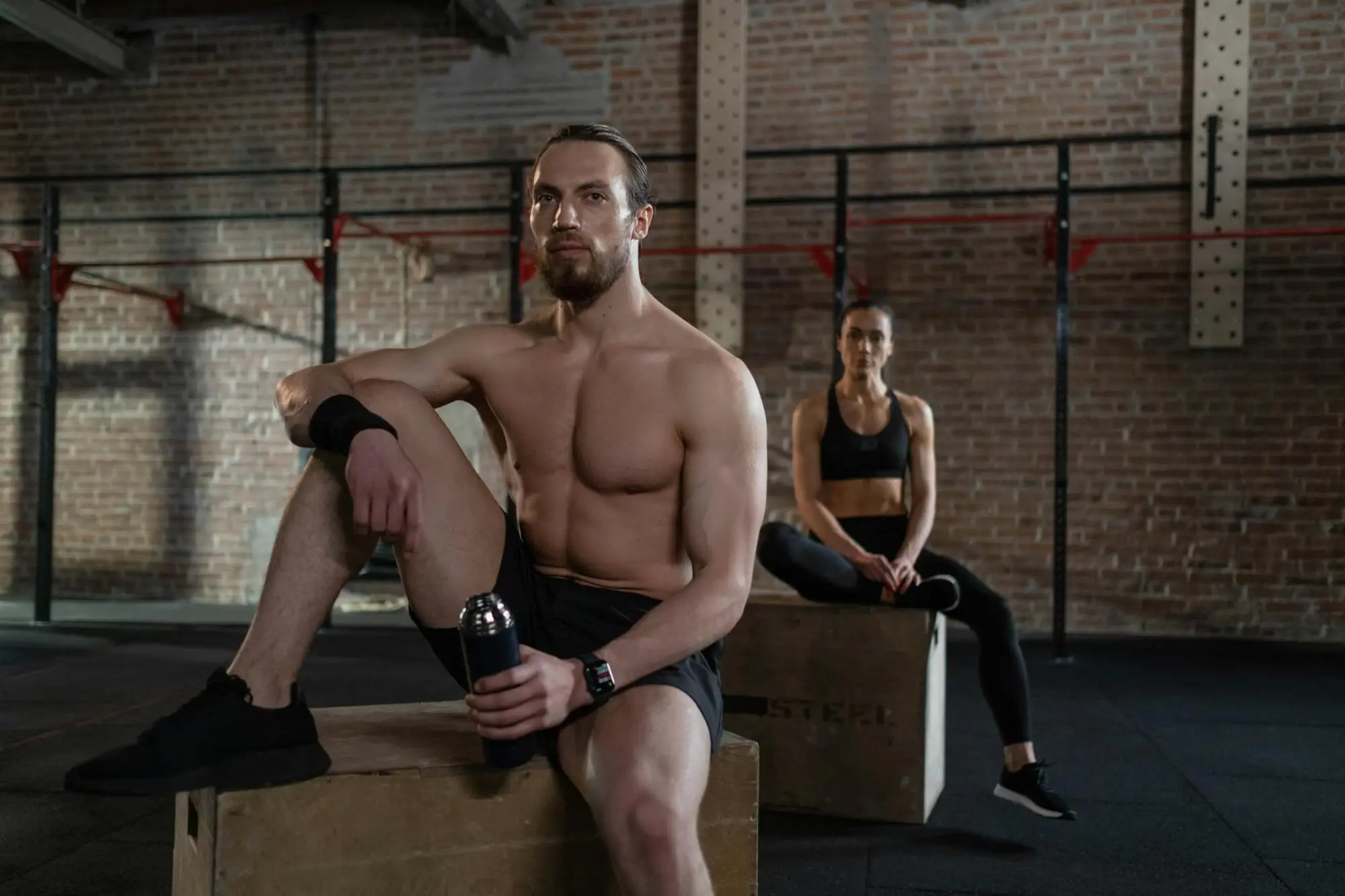
Tom Brady famously stayed remarkably dry during training sessions, yet maintained peak performance well into his 40s. His trainer Alex Guerrero emphasized to Men’s Health that sweat volume never determined workout intensity or results.
Peloton instructors constantly remind riders that the person barely glistening might be crushing their personal records. Meanwhile, heavy sweaters often mistake fluid loss for fat loss—a dangerous misconception.
A 2024 study found that 68% of people incorrectly gauge workout effectiveness by sweat volume. This leads to overtraining, dehydration, and completely missing actual progress markers.
The real success indicators?
- Heart rate zones and recovery
- Strength gains and endurance improvements
- Body composition changes
- Energy levels and sleep quality

3. The Celebrity Trainers Busting the Sweat Myth
Gunnar Peterson, who’s trained Jennifer Lopez, Sylvester Stallone, and countless A-listers, told Women’s Health: “My driest clients often see the most dramatic transformations because they focus on form and progressive overload, not perspiration.”
Harley Pasternak echoes this sentiment. The trainer behind Jessica Simpson’s transformations and Lady Gaga’s tour prep emphasizes that his most successful clients track performance metrics, not towel usage.
According to Tracy Anderson, who’s sculpted Gwyneth Paltrow and Madonna: “Sweat is just salt water. Results come from consistent challenge progression, proper nutrition, and recovery—none of which require dripping.”
4. The Workout Intensity Truth That Changes Everything
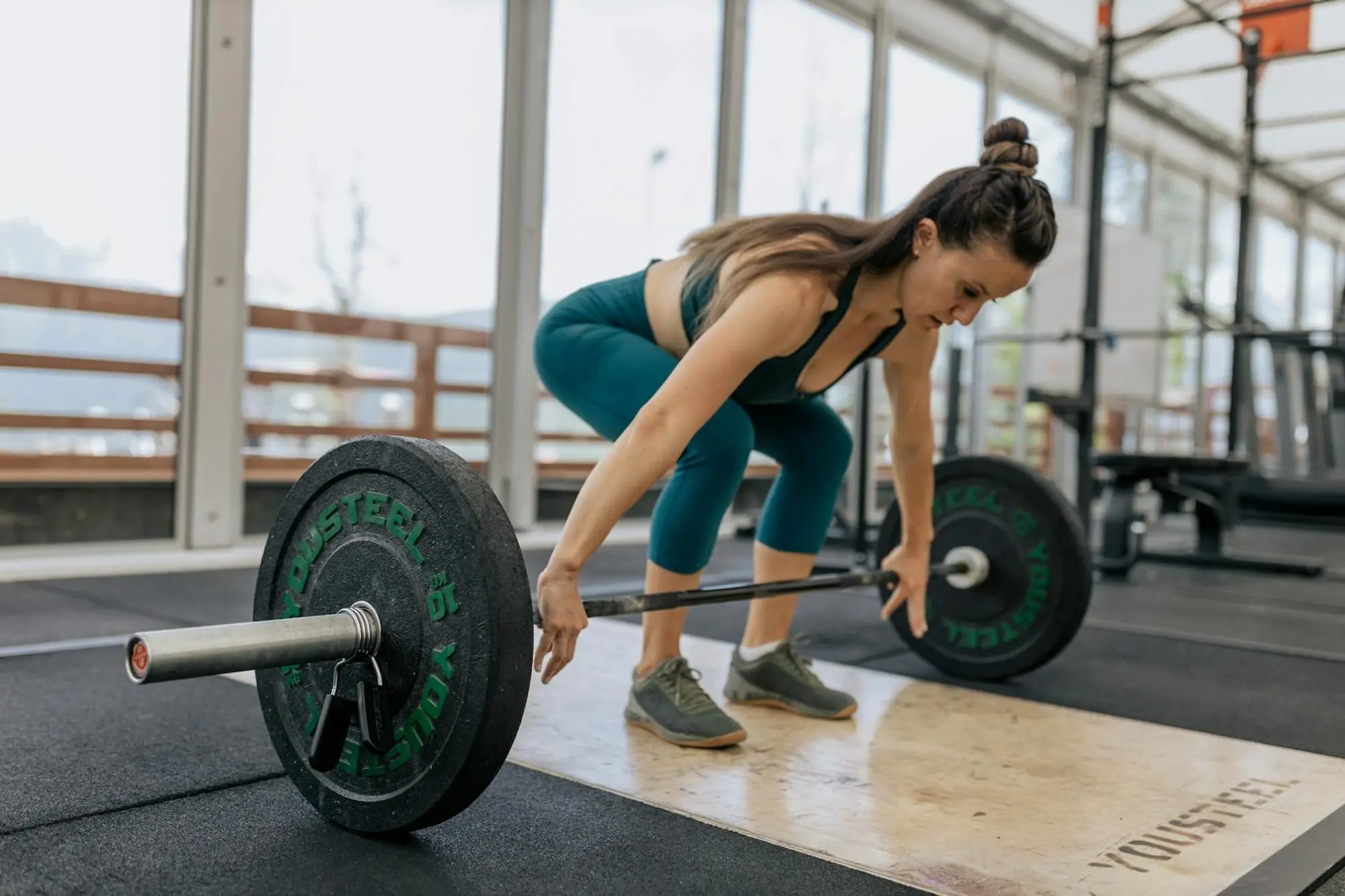
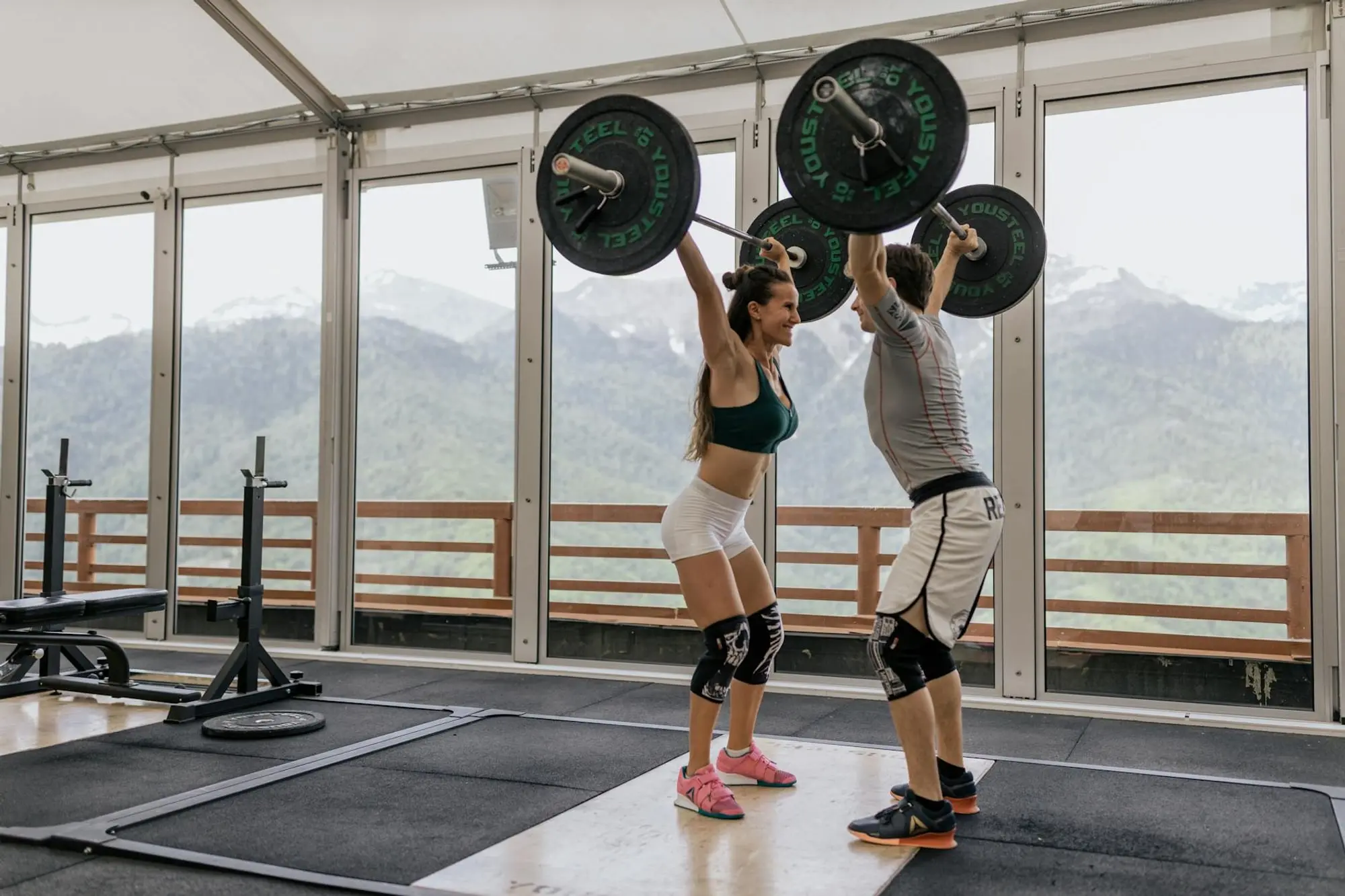
Nike Training Club data reveals that strength training—typically a low-sweat activity—produces more lasting metabolic changes than high-sweat cardio sessions. Yet most people undervalue lifting because they don’t leave pools on the floor.
Barry’s Bootcamp founder Barry Jay explained to People Magazine: “Our most transformed clients learned early that muscle burn, not sweat volume, signals effective training.”
Hot yoga might flood you with perspiration, but regular Pilates builds deeper core strength. SoulCycle might soak your shirt, but controlled weightlifting reshapes your physique more dramatically.
The intensity sweet spot? Zone 2 cardio—sustainable pace where you can barely hold conversation—often produces minimal sweat but maximum fat-burning adaptation.

5. The Smart Way to Actually Measure Workout Success
Don Saladino, who trains Ryan Reynolds and Blake Lively, tracks these metrics instead of sweat stains:
- Progressive overload: Adding weight, reps, or time weekly
- Recovery heart rate: How quickly you return to baseline
- Sleep quality scores: Deep sleep percentages and wake frequency
- Energy stability: Consistent levels throughout the day
Equinox trainers use heart rate variability (HRV) to determine optimal training intensity. This metric correlates with actual physiological stress—sweat doesn’t.
| High Sweat Activity | Sweat Level | Actual Effectiveness |
|---|---|---|
| Hot Yoga | Very High | Moderate flexibility gains |
| Strength Training | Low-Medium | High muscle building/fat loss |
| HIIT Cardio | High | High cardiovascular fitness |
| Pilates | Low | High core strength/stability |
| Sauna Session | Extreme | Low (just dehydration) |
The bottom line? Your body’s cooling system has nothing to do with your fitness gains. Focus on progressive challenge, consistency, and recovery—not how many shirts you soak.
Real results come from working smarter, not sweatier. Track performance metrics, listen to your body’s actual signals, and remember that the most effective workouts often happen in climate-controlled gyms where perspiration stays minimal.
Does working out in heat burn more calories?
No, exercising in hot conditions primarily increases sweat production without significantly boosting calorie burn. Your body works harder to cool itself, but this doesn’t translate to meaningful fat loss or fitness gains.
Why do some people sweat more during exercise than others?
Sweat production varies based on genetics, body composition, fitness level, hormones, and heat adaptation. Larger individuals and those with more active sweat glands naturally perspire more, regardless of effort level.
Should I be worried if I don’t sweat much during workouts?
Not at all. Low sweat production doesn’t indicate laziness or ineffective training. Focus on progressive overload, proper form, and measurable performance improvements rather than perspiration volume.
Can you get a good workout without sweating?
Absolutely. Strength training, yoga, Pilates, and moderate cardio can deliver excellent results with minimal sweating. Many of the most effective muscle-building and fat-loss workouts produce little perspiration.