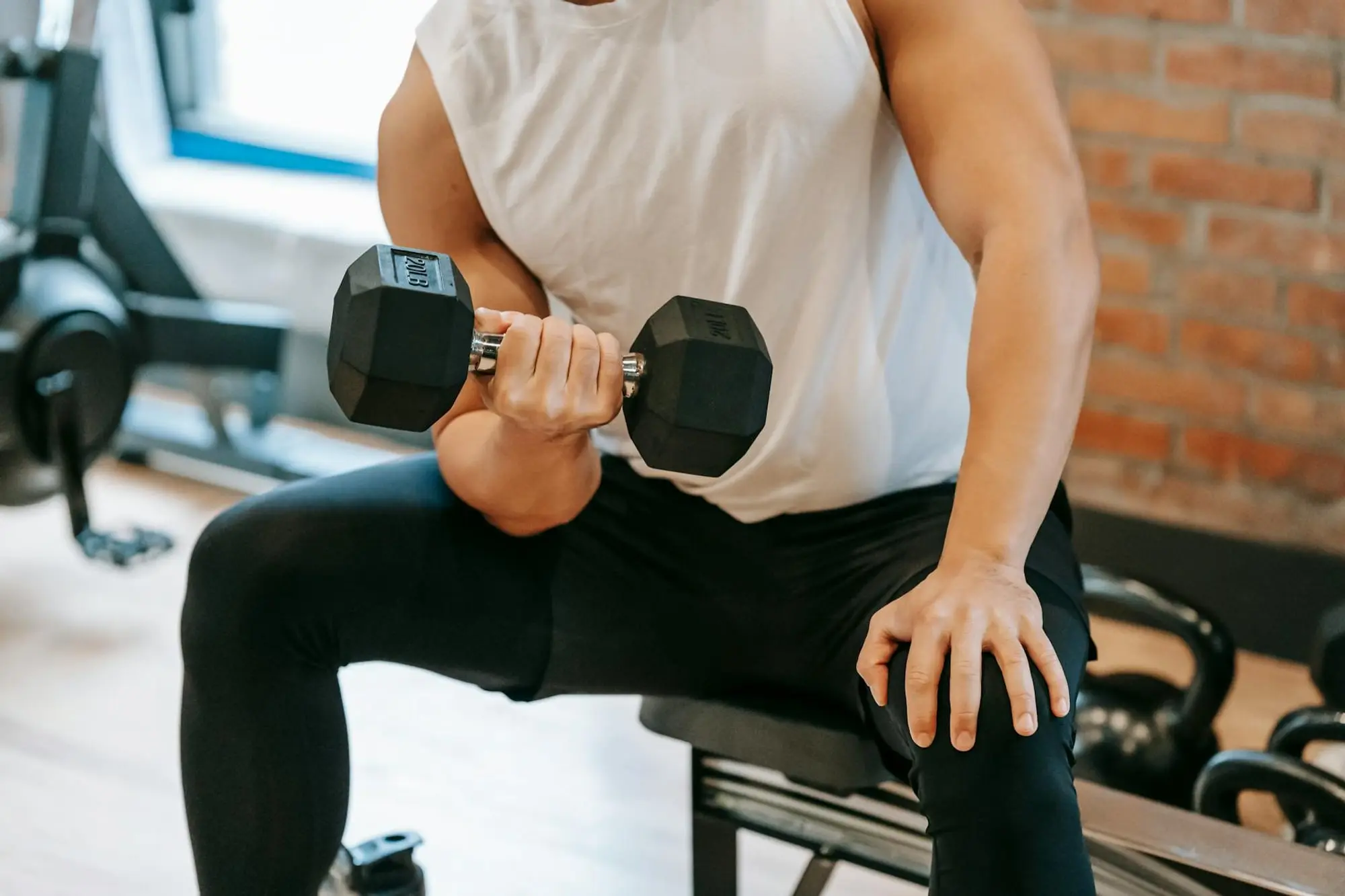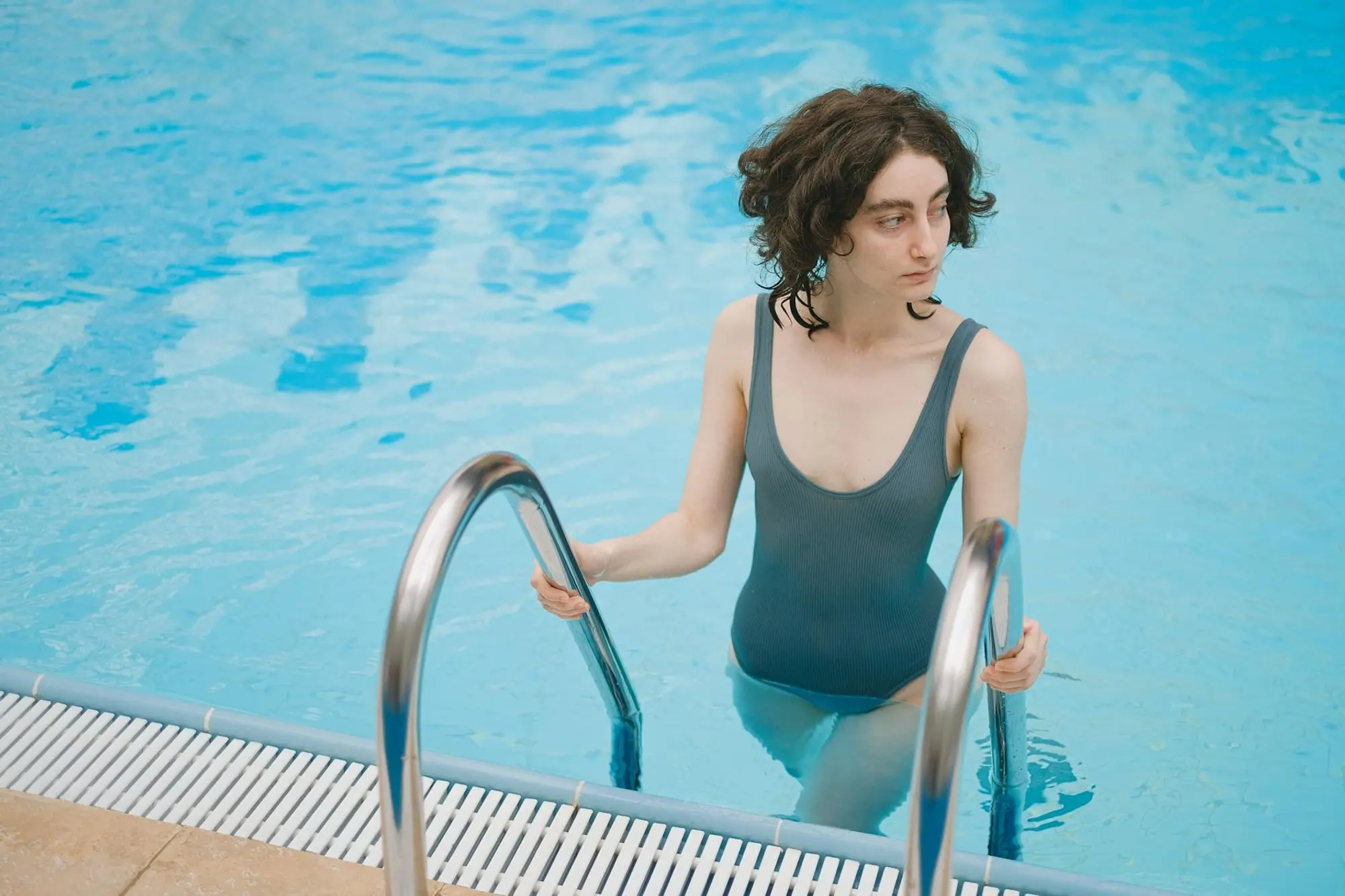
“The right swimsuit can completely transform how you feel about your body,” celebrity trainer Magnus Lygdback told Shape magazine in a recent interview about body confidence. Lygdback, who has trained stars like Gal Gadot and Alicia Vikander, emphasizes that confidence comes from feeling comfortable in your own skin—and that includes choosing swimwear that enhances your natural assets.
The search for the perfect one-piece swimsuit can feel overwhelming, especially when bombarded with conflicting advice about what “flatters” different body types. According to Women’s Health, the key isn’t following rigid rules but understanding which design elements work harmoniously with your unique proportions.
Research from the Fashion Institute of Technology shows that strategic color placement, supportive construction, and thoughtful detailing can create visual balance for any silhouette. The most universally flattering one-pieces incorporate these principles while offering comfort and confidence to the wearer.
The Science Behind Flattering Swimwear Design
Fashion psychology research indicates that certain visual elements create optical illusions that can enhance or minimize specific areas. According to Vogue’s swimwear style guide, diagonal lines, strategic color blocking, and textural contrasts are among the most effective techniques used by high-end swimwear designers.
Celebrity stylist Rachel Zoe has consistently chosen one-pieces for her A-list clients because they offer more versatility than bikinis. “A well-designed one-piece can be styled as both swimwear and a bodysuit,” Zoe explained to Harper’s Bazaar.
The most successful swimsuit designs incorporate architectural elements borrowed from lingerie construction. Underwire support, princess seaming, and power mesh panels provide structure while maintaining a sleek silhouette.
Universal Design Elements That Work for Everyone
Professional stylists consistently recommend certain features when selecting one-pieces for diverse body types. According to celebrity stylist Brad Goreski, who has worked with stars like Kaley Cuoco and Jessica Alba, the most flattering designs share common characteristics.
Wrap-style tops create a universally appealing V-neckline that elongates the torso while providing adjustable coverage. This design element appears frequently in red carpet looks translated to swimwear.
Side ruching and gathering offer both style and function, allowing the fabric to accommodate natural curves while creating visual interest. Sports Illustrated Swimsuit Edition consistently features models wearing suits with strategic ruching.

Color blocking with darker panels along the sides creates an hourglass effect regardless of natural body shape. This technique, popularized by brands like Miraclesuit and Swimsuits for All, uses color psychology to create visual dimension.
What the Experts Recommend
Celebrity trainer Harley Pasternak, who has worked with Rihanna, Halle Berry, and Lady Gaga, emphasizes that confidence in swimwear comes from proper fit rather than following trends. According to Pasternak’s interview with People magazine, the most important factor is choosing pieces that allow for comfortable movement.
Professional stylists recommend these specific features for maximum versatility:
- Adjustable straps that can be worn multiple ways for customized support
- Built-in underwire or molded cups for enhanced shape and support
- Tummy control panels using compression fabric for smooth silhouettes
- Strategic mesh or lace inserts that provide breathability and visual interest
- Convertible necklines that transition from halter to strapless styling
- UV protection fabric rated SPF 50+ for extended sun exposure
- Quick-dry materials that maintain shape and color after repeated wear
Research from the American Council on Exercise shows that women are 40% more likely to participate in water-based fitness activities when wearing properly fitted, supportive swimwear.
The Most Universally Flattering Styles by Category
Different one-piece silhouettes serve various needs while maintaining broad appeal. According to InStyle’s annual swimwear roundup, certain styles consistently receive positive feedback across diverse demographics.
| Style Category | Key Features | Best For |
|---|---|---|
| Classic Scoop Back | Clean lines, moderate coverage, timeless appeal | All body types, classic aesthetic preference |
| Plunging V-Neck | Deep neckline, waist definition, elongating effect | Creating curves, elongating torso |
| High-Cut Leg | Raised leg opening, hip emphasis, retro-inspired | Lengthening legs, vintage aesthetic |
| Athletic Cut | Racerback design, compression fit, sporty details | Active water sports, athletic builds |
Celebrity trainer Don Saladino, who has trained Blake Lively and Anne Hathaway, told Men’s Health that his clients prioritize functionality alongside aesthetics when selecting workout and swimwear.
The most photographed celebrity beach looks from 2024, according to Us Weekly, featured predominantly structured one-pieces with architectural details rather than basic triangle bikinis.

Shopping Strategies from Celebrity Stylists
Professional stylists employ specific techniques when selecting swimwear for their high-profile clients. Celebrity stylist Law Roach, who styles Zendaya and Céline Dion, shared his methodology with Elle magazine.
Fit testing in multiple sizes ensures the best possible silhouette. Many women wear incorrectly sized swimwear, leading to unflattering results regardless of design quality.
Investing in quality construction pays dividends in both appearance and longevity. According to Consumer Reports, well-made swimsuits maintain their shape and color 300% longer than budget alternatives.
Considering lifestyle needs influences style selection significantly. Active individuals require different features than those seeking purely aesthetic appeal.
Professional stylists recommend purchasing swimwear from brands that offer extensive size ranges and detailed fit guides. Companies like Athleta, Summersalt, and Lands’ End provide comprehensive measuring instructions and easy return policies.
The Psychology of Swimwear Confidence
Research from Northwestern University’s psychology department found that clothing choices significantly impact self-perception and confidence levels. This phenomenon, termed “enclothed cognition,” applies particularly strongly to swimwear selection.
Celebrity wellness coach Tracy Anderson, who has trained Gwyneth Paltrow and Jennifer Lopez, emphasizes that feeling confident in swimwear requires finding pieces that align with personal comfort levels rather than following external expectations.
According to Anderson’s interview with Self magazine, the most successful approach involves trying multiple styles without preconceived notions about what should or shouldn’t work for specific body types.
Professional photographers consistently report that their most successful swimwear shoots feature models wearing suits that prioritize comfort and proper fit over trendy details that may be unflattering.
What’s the most important factor when choosing a flattering one-piece?
Proper fit trumps everything else. A well-fitted basic design will always look better than an ill-fitting designer piece. Focus on how the suit feels and moves with your body rather than the brand name or price point.
Should I follow traditional “body type” rules when selecting swimwear?
Modern stylists increasingly reject rigid body type categories. Instead, focus on highlighting features you love while ensuring comfort and support. What matters is how confident and comfortable you feel wearing the suit.
How can I tell if a one-piece fits correctly?
A properly fitted one-piece should feel snug without creating bulges or discomfort. You should be able to move freely without constant adjustment. The leg openings shouldn’t dig in, and the neckline should provide appropriate coverage for your activities.
Are expensive swimsuits worth the investment?
Quality construction typically provides better fit, longer-lasting materials, and more flattering design elements. However, proper fit matters more than price. A well-fitted affordable suit beats an expensive suit in the wrong size every time.
You might also like
 Celebrity colorists reveal how to get perfect ’90s blonde hair at home