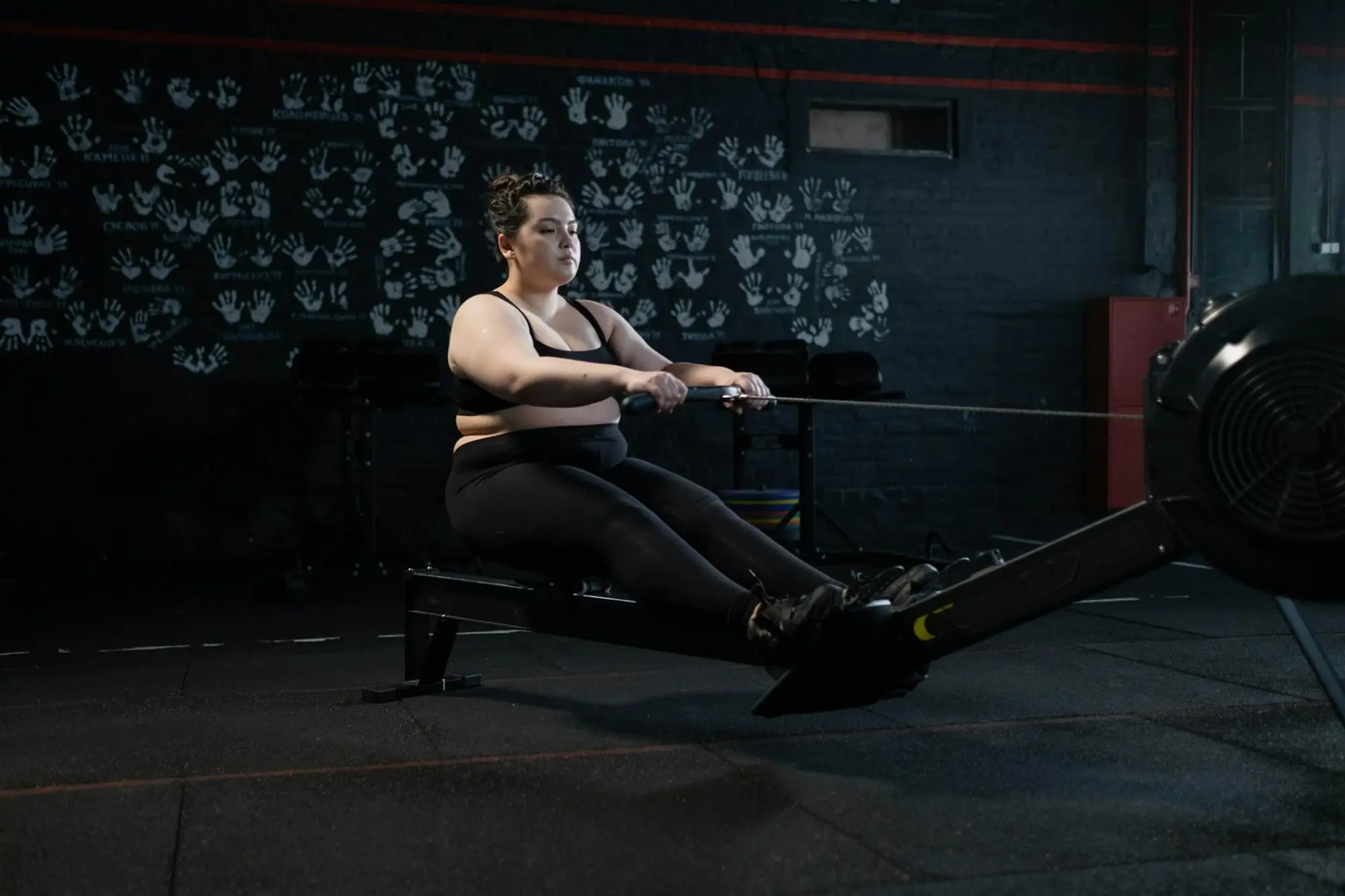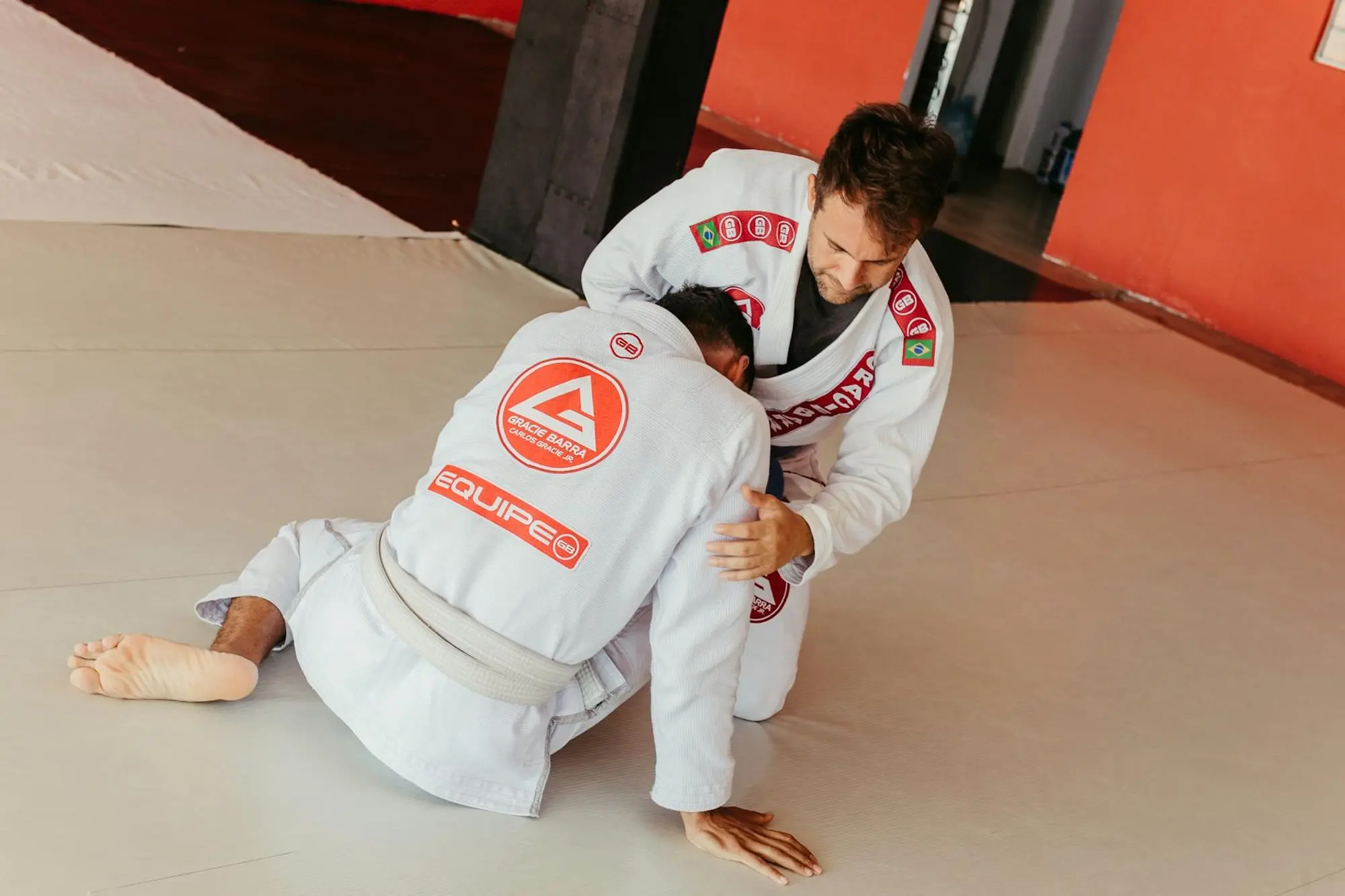
“Brazilian Jiu Jitsu is one of the most mentally and physically demanding disciplines I’ve ever encountered,” celebrity trainer Harley Pasternak told Men’s Health. “It combines cardiovascular endurance, functional strength, and mental strategy in a way that challenges even the most conditioned athletes.” This insight rings especially true for fitness enthusiasts who discover the martial art later in life, when established workout routines suddenly pale in comparison to the grappling mat’s unforgiving demands.
Starting Brazilian Jiu Jitsu (BJJ) at 31 represents a significant departure from conventional fitness approaches. According to research published in the Journal of Sports Science & Medicine, BJJ training can burn between 400-500 calories per hour while simultaneously developing functional strength, flexibility, and cardiovascular endurance. The sport’s unique combination of isometric holds, explosive movements, and sustained grappling creates metabolic demands that surpass traditional gym workouts.
The Physiological Reality of Adult-Onset BJJ Training
The human body experiences distinct challenges when adapting to new movement patterns after age 30. According to The American Journal of Sports Medicine, adults beginning high-intensity martial arts training face increased recovery demands compared to younger practitioners. BJJ specifically targets muscle groups often neglected in conventional fitness routines, including the deep core stabilizers, posterior chain, and grip strength muscles.
Gunnar Peterson, who has trained celebrities including Sylvester Stallone and Jennifer Lopez, explains that BJJ’s ground-based movements create unique muscular adaptations. “The isometric contractions required for maintaining positions like guard or mount activate muscle fibers in ways that traditional weight training simply cannot replicate,” Peterson told Shape magazine.
The cardiovascular demands prove equally challenging. Research from the University of São Paulo found that competitive BJJ matches elevate heart rates to 85-95% of maximum capacity, with practitioners maintaining these intensities for extended periods. This creates both aerobic and anaerobic stress patterns that can overwhelm newcomers accustomed to predictable gym routines.
Mental Complexity: Chess Meets Physical Combat
Unlike repetitive fitness modalities such as Peloton cycling or standard strength training, BJJ demands constant problem-solving under physical duress. According to neuroscience research published in Frontiers in Psychology, learning complex motor skills while managing physical stress activates multiple brain regions simultaneously, creating cognitive fatigue alongside physical exhaustion.
Tracy Anderson, founder of the Tracy Anderson Method and trainer to celebrities including Gwyneth Paltrow, emphasizes this mental component. “Traditional workouts follow predictable patterns,” Anderson told Vogue. “In BJJ, you’re constantly adapting to an opponent’s movements while managing your own technique and energy expenditure.”
The learning curve proves particularly steep for adults. A 2023 study in the International Journal of Sports Psychology found that adults beginning martial arts training require 40-60% longer to achieve basic proficiency compared to adolescent learners. This extended learning period, combined with the ego-challenging nature of frequent defeats, creates psychological stress that compounds the physical demands.

Recovery Challenges and Adaptation Periods
The recovery protocols necessary for BJJ training differ significantly from conventional fitness approaches. According to research from the American College of Sports Medicine, the sport’s combination of eccentric muscle contractions, joint stress, and sustained isometric holds requires 48-72 hours for complete muscular recovery in adult beginners.
Don Saladino, who trains celebrities including Ryan Reynolds and Blake Lively, emphasizes the importance of modified training schedules for adult BJJ newcomers. “The impulse is to train like a 20-year-old competitor, but the 30-plus body requires strategic recovery protocols,” Saladino told Men’s Health.
Sleep quality often deteriorates initially due to elevated cortisol levels from the sport’s stress response. Research published in the Journal of Clinical Sleep Medicine indicates that high-intensity martial arts training can disrupt sleep patterns for 2-4 weeks while the nervous system adapts to new stressors.
Injury Risk and Prevention Strategies
Adult-onset BJJ practitioners face elevated injury risks compared to both younger martial artists and adults participating in lower-contact fitness activities. According to data from the American Orthopaedic Society for Sports Medicine, BJJ injury rates range from 9.2 to 38.6 injuries per 1,000 exposures, with adults over 30 experiencing 23% higher rates than younger practitioners.
Common injury patterns include:
- Rib injuries from compression and twisting movements
- Shoulder impingement from repetitive arm positioning
- Knee stress from guard positions and leg entanglements
- Neck strain from bridging and resistance movements
- Finger and wrist injuries from gripping
- Lower back stress from hip mobility demands
- Elbow hyperextension from submission attempts
Physical therapist Dr. Stuart McGill, whose research on spinal biomechanics has been featured in The New York Times, advocates for specific preparation protocols. “The spine experiences forces in BJJ that don’t occur in traditional fitness activities,” McGill explained in his research publications. “Adults beginning this training need targeted mobility and stability work to prevent injury.”

Comparative Analysis: BJJ vs. Traditional Fitness Modalities
| Training Aspect | Brazilian Jiu Jitsu | Traditional Gym Training | High-Intensity Classes |
|---|---|---|---|
| Caloric Burn Rate | 400-500/hour | 200-400/hour | 300-450/hour |
| Cognitive Demands | Very High | Low-Moderate | Low |
| Recovery Time | 48-72 hours | 24-48 hours | 24-36 hours |
| Injury Risk Level | Moderate-High | Low-Moderate | Low-Moderate |
| Skill Learning Curve | Very Steep | Gradual | Moderate |
What the Experts Recommend
Fitness professionals consistently emphasize gradual progression for adult BJJ beginners. Harley Pasternak recommends supplemental strength training focusing on functional movements that support grappling demands. “Hip mobility, core stability, and grip strength become foundational elements that determine both performance and injury prevention,” Pasternak told Women’s Health.
Proper nutrition timing becomes crucial due to the sport’s glycogen demands. According to research from the International Society of Sports Nutrition, BJJ training depletes muscle glycogen stores 35-40% faster than traditional resistance training. This requires modified pre- and post-training nutrition strategies to support recovery and performance.
Sleep optimization proves essential for skill acquisition and physical recovery. Celebrity trainer Gunnar Peterson emphasizes that adults learning BJJ need 7-9 hours of quality sleep to support the neural adaptations required for technique retention. “The body needs time to consolidate both the physical and mental aspects of what was learned,” Peterson explained to Shape magazine.
Professional instruction becomes non-negotiable for adult beginners. According to the International Brazilian Jiu Jitsu Federation, proper technique instruction reduces injury risk by approximately 60% compared to informal learning environments. The complex biomechanics of BJJ movements require expert guidance to develop safely and effectively.
Cross-training with complementary activities like yoga or Pilates can accelerate adaptation while reducing injury risk. Research published in the Journal of Strength and Conditioning Research found that BJJ practitioners who incorporated flexibility and mobility work experienced 28% fewer overuse injuries compared to those who trained exclusively on the mats.
Starting Brazilian Jiu Jitsu at 31 represents both a significant physical challenge and an opportunity for unprecedented fitness development. The sport’s unique demands create adaptations that traditional fitness modalities cannot replicate, but success requires strategic approach, professional guidance, and realistic expectations about the adaptation timeline. For adults willing to embrace the challenge, BJJ offers a path to functional strength, mental resilience, and physical conditioning that transforms conventional understanding of what constitutes a challenging workout.
Is BJJ safe for beginners over 30?
Yes, but proper instruction and gradual progression are essential. Adults face higher injury risks than younger practitioners but can train safely with appropriate precautions, technique focus, and recovery protocols.
How often should adult beginners train BJJ?
Most experts recommend 2-3 sessions per week initially, allowing 48-72 hours between training sessions for adequate recovery. This frequency allows skill development while preventing overuse injuries common in adult beginners.
What fitness background best prepares someone for BJJ?
Wrestling, gymnastics, or yoga provide excellent foundations due to body awareness and flexibility demands. However, BJJ’s unique movement patterns mean that any fitness background requires significant adaptation to grappling-specific demands.
How long does it take to see fitness improvements from BJJ?
Most practitioners notice cardiovascular improvements within 2-3 weeks and strength gains within 4-6 weeks. However, technique proficiency and true BJJ-specific conditioning typically require 6-12 months of consistent training.