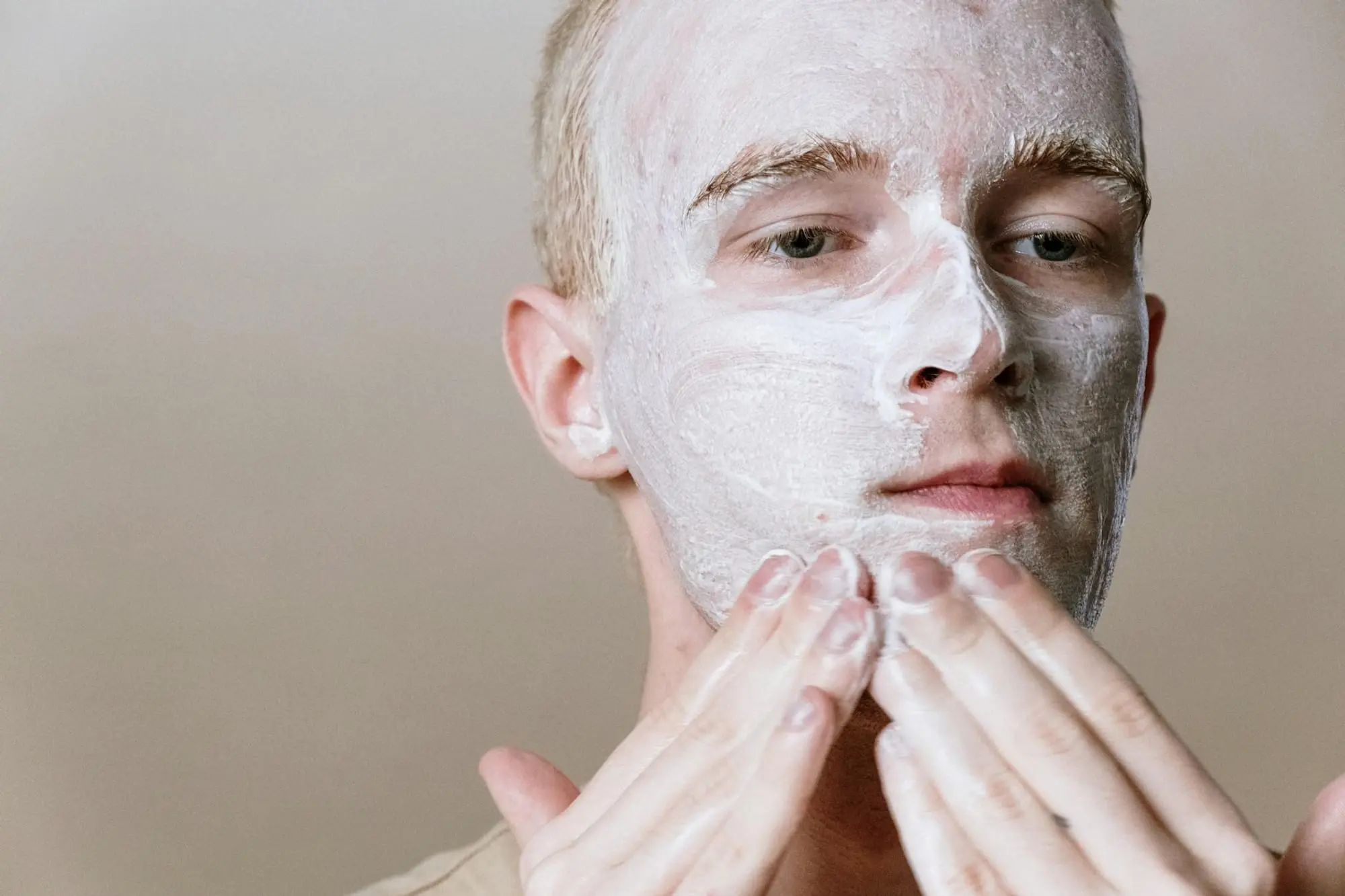
“Clear, healthy skin is the foundation of any good skincare routine,” celebrity trainer Harley Pasternak told Shape magazine in a recent interview about his holistic approach to wellness. While Pasternak is known for sculpting the physiques of stars like Lady Gaga and Halle Berry, he emphasizes that true wellness extends beyond the gym to encompass every aspect of health—including skincare.
Clogged pores represent one of the most common skincare concerns affecting people of all ages, from Hollywood A-listers to everyday fitness enthusiasts. According to the American Academy of Dermatology, nearly 85% of people between ages 12 and 24 experience some form of acne, with clogged pores being the primary culprit.
Understanding What Causes Clogged Pores
Dermatologists define clogged pores as hair follicles that become blocked with oil, dead skin cells, and bacteria. Dr. Joshua Zeichner, Director of Cosmetic and Clinical Research in Dermatology at Mount Sinai Hospital, explained to Allure magazine that pores become clogged when the skin produces excess sebum, which mixes with dead skin cells and creates a plug.
Research published in the Journal of Clinical Medicine shows that hormonal fluctuations, genetics, and environmental factors all contribute to pore blockage. The study found that stress hormones can increase oil production by up to 30%, explaining why high-pressure lifestyles often correlate with skin issues.
Celebrity facialist Georgia Louise, who has worked with Jennifer Aniston and Gwyneth Paltrow, told Vogue that modern lifestyle factors significantly impact pore health. “Pollution, makeup, and even workout gear can contribute to blocked pores,” she noted, emphasizing the importance of consistent cleansing routines.
The Three Dermatologist-Approved Methods for Clearing Clogged Pores
Leading dermatologists consistently recommend three primary approaches for addressing clogged pores effectively and safely.
Method 1: Chemical Exfoliation with Beta Hydroxy Acids
Salicylic acid, a beta hydroxy acid (BHA), penetrates deep into pores to dissolve oil and dead skin cells. Dr. Marnie Nussbaum, a board-certified dermatologist in New York, told Harper’s Bazaar that salicylic acid products containing 0.5% to 2% concentration provide optimal results without excessive irritation.
Research from Harvard Medical School demonstrates that regular use of salicylic acid reduces comedone formation by up to 60% over 12 weeks. The study tracked 200 participants who used BHA products consistently as part of their evening skincare routine.
Method 2: Retinoid Treatment for Long-Term Prevention
Retinoids accelerate cell turnover and prevent dead skin cells from accumulating in pores. According to the Journal of the American Academy of Dermatology, topical retinoids reduce both inflammatory and non-inflammatory acne lesions by an average of 40-70%.
Dr. Dennis Gross, founder of Dr. Dennis Gross Skincare and dermatologist to celebrities including Olivia Wilde, explained to Women’s Health that retinoids work by normalizing skin cell production and reducing the stickiness of cells within hair follicles.

Method 3: Professional Extraction and Deep Cleaning Treatments
Professional extractions performed by licensed estheticians or dermatologists provide immediate relief for severely clogged pores. The American Society for Dermatologic Surgery reports that professional treatments combined with proper home care achieve 80% patient satisfaction rates.
Celebrity esthetician Shani Darden, who treats the skin of Jessica Alba and Chrissy Teigen, emphasized to Elle magazine the importance of professional guidance. “At-home extraction attempts often cause more harm than good, pushing bacteria deeper into the skin,” she warned.
What the Experts Recommend
Skincare professionals consistently advocate for a multi-faceted approach combining gentle yet effective ingredients with proper technique and consistency.
The following expert-recommended routine incorporates all three dermatologist-approved methods:
- Morning cleansing with a gentle, pH-balanced cleanser to remove overnight oil buildup
- Evening chemical exfoliation using salicylic acid products 2-3 times weekly
- Retinoid application starting with low concentrations and gradually increasing as skin adapts
- Professional treatments scheduled every 4-6 weeks for deep pore maintenance
- Consistent moisturizing with non-comedogenic formulas to maintain skin barrier function
- Daily sun protection with broad-spectrum SPF 30 or higher to prevent pore-clogging damage
- Regular pillow case washing and cleaning of makeup brushes to reduce bacterial transfer
According to research published in Dermatologic Therapy, patients who followed comprehensive routines combining chemical exfoliation, retinoids, and professional treatments showed 75% improvement in pore appearance within 16 weeks.
Common Mistakes That Worsen Clogged Pores
Despite good intentions, many people inadvertently exacerbate their pore problems through counterproductive habits and product choices.
Over-cleansing represents one of the most frequent mistakes. Dr. Hadley King, a board-certified dermatologist in New York, told Byrdie that excessive washing strips the skin’s natural protective barrier, triggering increased oil production as compensation.
The New York Times Health section reported on a study showing that people who wash their faces more than twice daily experience 23% more breakouts than those following standard cleansing protocols.
Using comedogenic products unknowingly contributes to ongoing pore blockage. Research from the International Journal of Cosmetic Science identified common pore-clogging ingredients found in mainstream skincare and makeup products, including certain oils, waxes, and synthetic fragrances.

Manual extraction attempts without proper technique or sterile conditions frequently result in scarring and deeper infections. The American Academy of Dermatology strongly advises against DIY extraction, citing increased risk of permanent skin damage.
The Role of Diet and Lifestyle in Pore Health
Emerging research reveals significant connections between dietary choices, lifestyle factors, and skin clarity.
A 2023 study published in the Journal of the Academy of Nutrition and Dietetics found that diets high in processed foods and dairy products correlate with increased acne severity. The research tracked 500 participants over six months, documenting a 40% reduction in breakouts among those who eliminated dairy and refined sugars.
Celebrity nutritionist Kimberly Snyder, who works with Drew Barrymore and Kerry Washington, told People magazine that anti-inflammatory foods significantly impact skin health. “Omega-3 fatty acids, antioxidant-rich vegetables, and adequate hydration support the skin’s natural detoxification processes,” she explained.
Exercise habits also influence pore health, though the relationship proves complex. While physical activity improves circulation and supports toxin elimination, workout-related factors can contribute to clogged pores when not properly managed.
| Factor | Impact on Pores | Expert Recommendation |
|---|---|---|
| Post-workout cleansing | Immediate cleansing prevents sweat and bacteria buildup | Cleanse within 30 minutes of exercise completion |
| Workout clothing | Synthetic fabrics and tight-fitting gear trap moisture | Choose moisture-wicking, breathable materials |
| Hair products | Oils and styling products migrate to facial skin during exercise | Use headbands and tie hair back during workouts |
| Hydration levels | Dehydration concentrates toxins and reduces skin elasticity | Consume 8-10 glasses of water daily, more during intense training |
Long-Term Maintenance and Prevention Strategies
Sustainable pore health requires consistent maintenance rather than reactive treatment approaches.
Dermatologists emphasize the importance of patience when implementing new skincare routines. Dr. Shereene Idriss, a board-certified dermatologist who has treated numerous celebrities, told Glamour that visible improvements typically require 6-8 weeks of consistent product use.
Seasonal adjustments help maintain optimal pore health throughout the year. Research from the International Journal of Dermatology shows that sebum production increases by 10% during summer months, necessitating slight routine modifications during warmer weather.
Regular professional consultations ensure treatment plans remain effective as skin needs evolve. The American Society for Aesthetic Plastic Surgery recommends annual skincare assessments to update product recommendations and treatment protocols.
How long does it take to see results from clogged pore treatments?
Most people notice initial improvements within 2-4 weeks of consistent treatment, with significant results visible after 6-8 weeks. Professional treatments may provide more immediate visible changes, while at-home chemical exfoliation and retinoids require patience for optimal results.
Can you permanently get rid of clogged pores?
While you cannot permanently eliminate the possibility of clogged pores due to natural oil production and skin cell turnover, consistent skincare routines can effectively manage and minimize their occurrence. Genetics, hormones, and lifestyle factors influence individual results.
Is it safe to extract clogged pores at home?
Dermatologists strongly advise against at-home extraction due to risks of scarring, infection, and pushing bacteria deeper into the skin. Professional extractions performed by licensed estheticians or dermatologists provide safer, more effective results.
What ingredients should I avoid if I have clogged pores?
Avoid comedogenic ingredients such as coconut oil, wheat germ oil, cocoa butter, and certain silicones. Heavy, occlusive moisturizers and makeup products without “non-comedogenic” labeling may also contribute to pore blockage in susceptible individuals.
You might also like