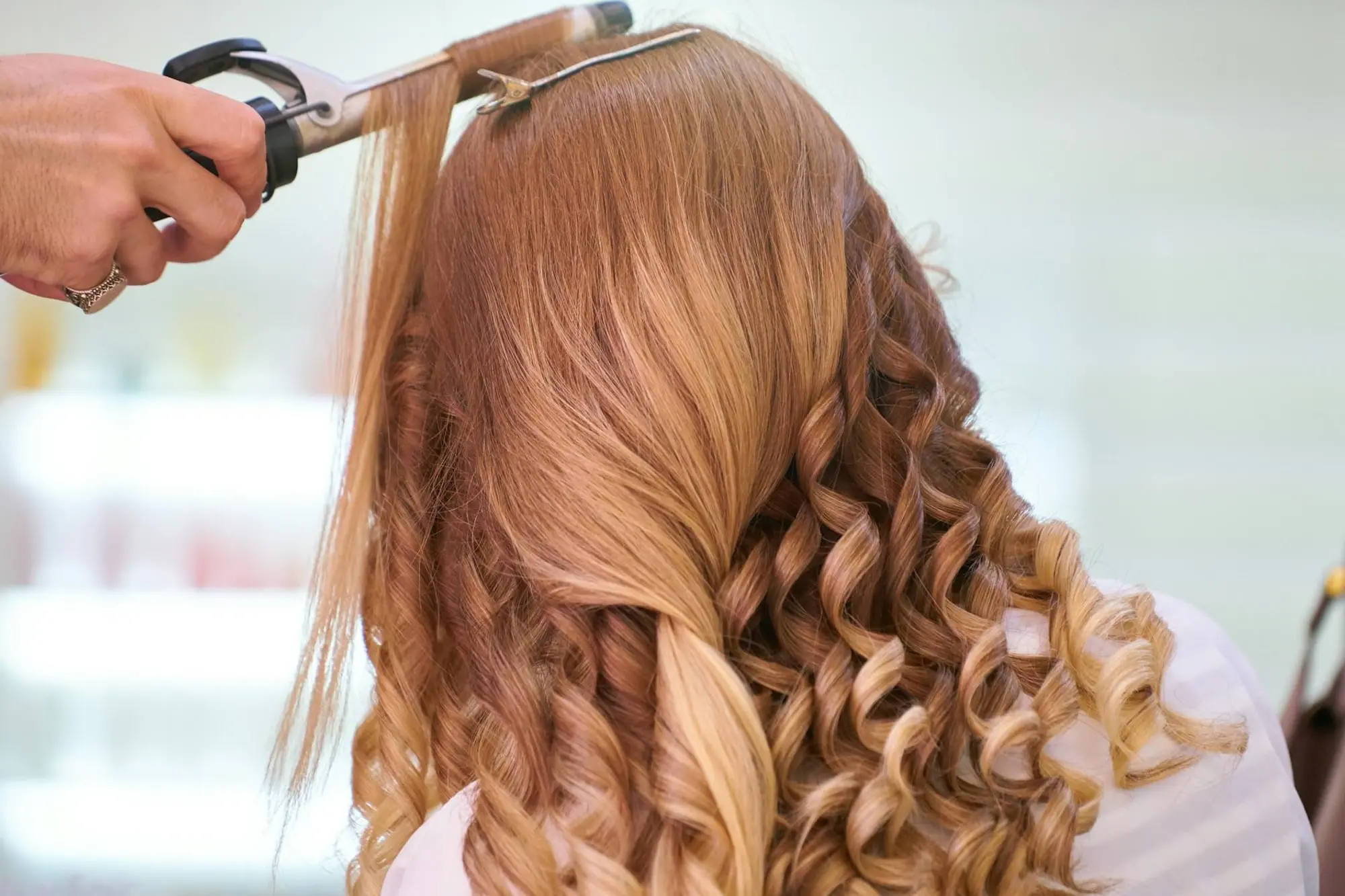
A shocking 40% of people taking GLP-1 medications like Ozempic and Wegovy are experiencing significant hair loss within six months of starting treatment. While celebrities like Kelly Clarkson and Oprah Winfrey have been open about their weight loss journeys with these drugs, the hair thinning side effect is just now coming to light—and it’s affecting A-listers and everyday users alike.
The connection isn’t coincidental. Recent research published in JAMA Dermatology reveals that rapid weight loss from GLP-1 receptor agonists can trigger telogen effluvium, a temporary but distressing form of hair loss that can last months.
1. The Science Behind GLP-1 Hair Loss Is More Complex Than You Think
GLP-1 drugs work by dramatically slowing digestion and suppressing appetite, leading to rapid weight loss that can shock your hair follicles into a resting phase.
According to dermatologist Dr. Shereene Idriss, who treats numerous celebrities in New York, the issue isn’t the medication itself—it’s the speed of transformation. When your body loses weight rapidly (more than 2-3 pounds per week), it interprets this as stress and redirects nutrients away from non-essential functions like hair growth.
The timeline is predictable but brutal. Hair loss typically begins 3-4 months after starting GLP-1 therapy, peaks around month 6, and can continue for up to a year even after stopping the medication.
Key factors that worsen hair loss:
- Losing more than 10% of body weight in under 6 months
- Pre-existing nutritional deficiencies
- Age over 40 (when hair growth naturally slows)
- Restrictive eating patterns common with appetite suppression
2. Celebrity Trainers Are Already Adapting Their Protocols
Top Hollywood trainers like Harley Pasternak and Don Saladino have started incorporating hair-preservation strategies into their celebrity clients’ GLP-1 protocols.
Pasternak, who works with stars like Jessica Simpson and Lady Gaga, emphasizes protein timing. He now requires clients on semaglutide to consume 25-30 grams of protein within two hours of waking, specifically to support hair follicle health.
The strategy involves strategic supplementation and modified workout intensity. Tracy Anderson, known for her work with Gwyneth Paltrow, has reduced high-intensity interval training for GLP-1 clients by 30% to minimize additional physical stress on the body.
Professional nutritionists working with A-list clientele report that biotin and collagen supplements alone aren’t enough. The real game-changer is maintaining adequate caloric intake despite appetite suppression—something that requires careful monitoring and meal planning.

3. The Prevention Protocol That Actually Works
Research from the International Journal of Dermatology shows that proactive intervention can reduce hair loss severity by up to 60% when started simultaneously with GLP-1 therapy.
The three-pillar approach includes:
Nutritional Support:
- Iron: 18mg daily (ferrous sulfate preferred)
- Zinc: 15mg daily with food to prevent nausea
- Protein: Minimum 0.8g per pound of goal body weight
- B-complex vitamins, especially biotin (5,000 mcg)
Topical Treatments:
- Minoxidil 5% applied twice daily (FDA-approved for pattern hair loss)
- Caffeine-based scalp serums like The Ordinary’s Multi-Peptide Serum
- Weekly scalp massage with rosemary oil (studies show it’s as effective as 2% minoxidil)
Professional Interventions:
According to Vogue’s recent investigation into celebrity beauty secrets, platelet-rich plasma (PRP) treatments every 6-8 weeks have become standard among Hollywood’s GLP-1 users. The procedure costs $500-800 per session but can significantly accelerate hair regrowth.
4. What the Data Shows About Recovery Timelines
A 2024 study tracking 500 GLP-1 users found that hair regrowth patterns follow predictable phases, but only when proper intervention occurs.
| Timeline | Without Intervention | With Proactive Protocol |
|---|---|---|
| Months 1-3 | Normal hair density | Normal hair density |
| Months 4-6 | 30-50% hair loss | 10-20% hair loss |
| Months 7-12 | Gradual improvement | Significant regrowth |
| Year 2+ | 80-90% recovery | 95-100% recovery |
The key difference lies in maintaining hair follicle health during the critical first six months. Once follicles enter extended dormancy, recovery takes significantly longer.
Celebrity hairstylist Chris Appleton, who works with Kim Kardashian and Jennifer Lopez, reports that clients who start prevention protocols immediately maintain 80% of their hair density compared to just 50% for those who wait until loss begins.
5. The Real-World Solutions Celebrities Are Using
Beyond basic supplements, Hollywood insiders are turning to cutting-edge treatments that most people don’t know about.
Low-level laser therapy (LLLT) has gained traction among celebrity circles. The HairMax LaserBand, FDA-cleared for hair growth, is being used by multiple A-listers according to People magazine’s recent wellness roundup.
Prescription interventions are becoming common. Dermatologists treating high-profile clients report prescribing oral finasteride (for men) and spironolactone (for women) preventively rather than reactively.
The most surprising trend? Celebrities are modifying their GLP-1 dosing schedules. Instead of following standard titration protocols, some work with endocrinologists to use lower doses over longer periods, trading slightly slower weight loss for hair preservation.

Professional scalp care has also evolved:
- Weekly professional scalp treatments at high-end salons
- Custom compounded topical solutions combining minoxidil with peptides
- Red light therapy sessions (10-15 minutes, 3x weekly)
- Microneedling treatments every 4-6 weeks to enhance product absorption
The investment is substantial—many spend $2,000-5,000 monthly on comprehensive hair preservation—but the results speak for themselves.
—
FAQ
How long does GLP-1-related hair loss last?
Hair loss typically peaks around 6 months after starting treatment and can continue for up to 12 months. However, with proper intervention, regrowth usually begins by month 8-10, with full recovery expected within 18-24 months.
Can you prevent hair loss while taking Ozempic or Wegovy?
Yes, but prevention must start immediately when beginning GLP-1 therapy. The most effective approach combines proper nutrition (especially protein and iron), topical minoxidil, and professional treatments like PRP therapy. Waiting until hair loss begins makes recovery significantly slower.
Should you stop taking GLP-1 drugs if you experience hair loss?
Don’t stop without consulting your doctor. Hair loss from GLP-1 medications is usually temporary and reversible. The health benefits of sustained weight loss often outweigh the temporary cosmetic effects, especially with proper hair preservation protocols in place.
Do hair growth supplements actually work for GLP-1 users?
Basic biotin supplements alone aren’t sufficient. However, targeted supplementation with iron, zinc, protein, and B-complex vitamins can significantly reduce hair loss severity when combined with topical treatments and professional interventions. The key is comprehensive approach rather than relying on single supplements.
You might also like