The morning sun was already blazing over Malibu as Jennifer Aniston laced up her running shoes for what would become a wake-up call about outdoor fitness safety. The Friends star, known for her dedication to morning runs along the Pacific Coast Highway, had noticed a small dark spot on her shoulder that her dermatologist later identified as early-stage skin damage from years of unprotected outdoor workouts.
Aniston’s experience, which she shared in a 2023 interview with InStyle magazine, sparked a conversation about something many fitness enthusiasts overlook: the serious skin cancer risks that come with outdoor exercise. “I thought I was being healthy by working out outside every day,” she revealed, “but I wasn’t protecting my skin properly.”
Her story isn’t unique. According to the Skin Cancer Foundation, outdoor athletes and fitness enthusiasts face a 50% higher risk of developing melanoma compared to those who primarily exercise indoors. The combination of UV exposure, sweating, and extended time outdoors creates the perfect storm for skin damage.
The Hidden Dangers of Outdoor Fitness
Celebrity trainer Harley Pasternak, who works with stars like Lady Gaga and Jessica Simpson, has witnessed this issue firsthand with his high-profile clients. “Many of my clients love outdoor workouts – hiking, beach volleyball, outdoor yoga – but they often forget that exercise doesn’t protect you from UV rays,” he explains.
The numbers are staggering. Research from the American Academy of Dermatology shows that just five sunburns in your lifetime doubles your risk of developing melanoma. For outdoor fitness enthusiasts, this threshold can be reached surprisingly quickly, especially during high-intensity workouts when you’re less likely to notice burning.
Dr. Debra Jaliman, a New York-based dermatologist who has treated numerous celebrities, points to several factors that make outdoor exercise particularly risky. “When you’re sweating, sunscreen wears off faster. When you’re focused on your workout, you’re not thinking about reapplication. And many people exercise during peak UV hours without realizing the danger.”
Tennis superstar Serena Williams learned this lesson early in her career when she developed sun spots on her arms and face from years of outdoor training. According to Vogue, Williams now follows a strict sun protection routine that includes SPF 50+ sunscreen, UV-protective athletic wear, and strategic timing of her outdoor sessions.
Smart Sunscreen Strategies for Active Lifestyles
The key to safe outdoor exercise starts with choosing the right sunscreen and using it correctly. Dermatologists recommend sport-specific formulas that can withstand sweat and movement.
Essential sunscreen rules for outdoor workouts:
- Use broad-spectrum SPF 30 or higher (SPF 50+ for extended sessions)
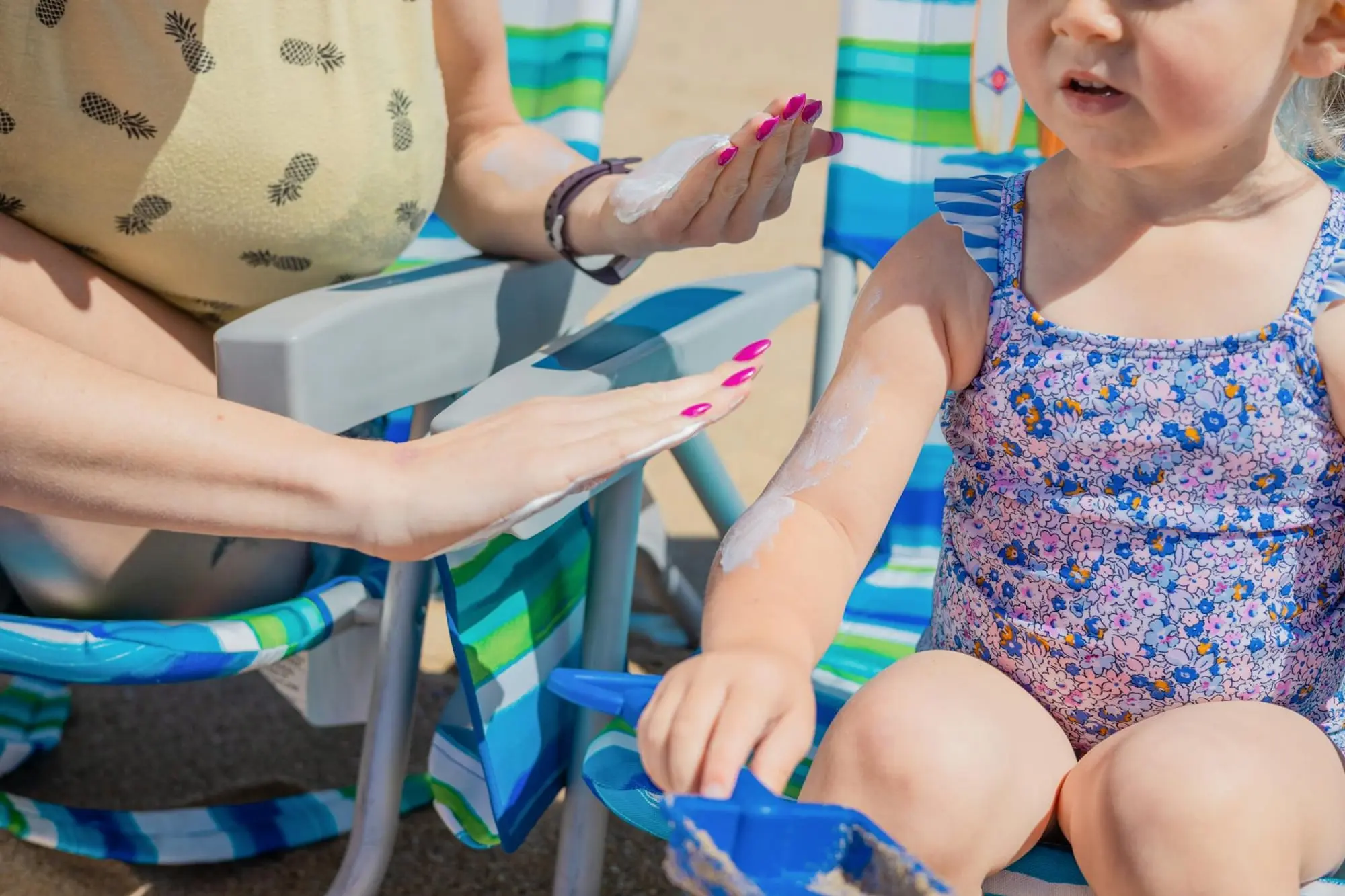
- Apply 1 ounce (about 2 tablespoons) 30 minutes before exercise
- Reapply every 2 hours or immediately after heavy sweating
- Choose water-resistant formulas labeled for 80 minutes of water/sweat protection
- Don’t forget often-missed spots: ears, back of neck, tops of feet, and hairline
- Use lip balm with SPF 30+
- Apply sunscreen under makeup and athletic gear
Celebrity fitness instructor Tracy Anderson, who trains Gwyneth Paltrow and other A-listers, has made sunscreen application part of her outdoor class warm-up routine. “We do sun protection check-ins just like we do equipment checks,” she told Shape magazine. “It’s become as essential as bringing a water bottle.”
The type of sunscreen matters significantly for athletes. According to a 2024 study published in the Journal of the American Academy of Dermatology, mineral sunscreens containing zinc oxide or titanium dioxide provide the most reliable protection for active individuals because they don’t break down as quickly with heat and sweat.

Timing Is Everything: When to Exercise Safely
Understanding UV exposure patterns can dramatically reduce your skin cancer risk during outdoor workouts. The sun’s rays are strongest between 10 AM and 4 PM, with peak intensity occurring around noon.
CrossFit athlete and four-time Olympic competitor Katrin Davidsdottir restructured her entire training schedule after consulting with dermatologists about safe outdoor exercise practices. “I moved my outdoor workouts to early morning and late afternoon,” she shared in a 2023 interview with Women’s Health. “The intensity of my training didn’t change, but my sun exposure dropped dramatically.”
Even on cloudy days, up to 80% of UV rays can penetrate clouds, making protection essential regardless of weather conditions. Snow, water, and sand can reflect UV rays, increasing exposure by up to 15%, which is particularly relevant for those who enjoy beach workouts, skiing, or lakeside activities.
Dr. Joshua Zeichner, Director of Cosmetic and Clinical Research in Dermatology at Mount Sinai Hospital, emphasizes the cumulative nature of sun damage. “Every minute of unprotected sun exposure adds up over your lifetime. There’s no such thing as a ‘safe’ tan when it comes to skin cancer prevention.”
Protective Gear That Actually Works
The rise of UV-protective athletic wear has revolutionized outdoor fitness safety. Major brands like Nike, Under Armour, and Patagonia now offer extensive lines of UPF (Ultraviolet Protection Factor) clothing designed specifically for active lifestyles.
Hugh Jackman, who underwent multiple skin cancer treatments after years of outdoor stunts and beach workouts, has become an advocate for protective athletic gear. According to People magazine, the actor now exclusively wears UPF 50+ shirts during his outdoor training sessions and encourages his trainers to do the same.
Quality UV-protective gear should have a UPF rating of 30 or higher, with UPF 50+ providing excellent protection by blocking 98% of UV rays. Look for tightly woven fabrics, darker colors (which absorb more UV), and moisture-wicking materials that maintain their protective properties when wet.
Don’t overlook accessories that can make a significant difference. Wide-brimmed hats, UV-blocking sunglasses, and even UV-protective gloves for activities like cycling or rowing can prevent often-overlooked areas of exposure.
Creating Your Skin-Safe Workout Routine
Building sun protection into your fitness routine requires planning but becomes second nature with practice. Professional triathlete and skin cancer survivor Diana Riesz developed a comprehensive approach after her melanoma diagnosis in 2022.

Her routine includes pre-workout skin checks, strategic use of shade during breaks, and post-workout skin care to address any sun exposure that occurred despite precautions. “I treat sun protection like any other aspect of athletic performance,” Riesz explained in a recent Runner’s World interview. “It requires consistency and attention to detail.”
| Workout Duration | SPF Required | Reapplication Schedule | Additional Protection |
|---|---|---|---|
| Under 1 hour | SPF 30+ | Before exercise only | Hat and UV shirt recommended |
| 1-3 hours | SPF 50+ | Every 2 hours | Hat, UV clothing, and shade breaks essential |
| 3+ hours | SPF 50+ | Every 90 minutes | Full protective gear, frequent shade breaks, consider indoor alternatives |
The mental shift from viewing sun protection as an inconvenience to seeing it as performance gear has helped many athletes maintain consistency. Celebrity trainer Don Saladino, who works with Ryan Reynolds and Blake Lively, incorporates sun safety education into his outdoor training programs. “Skin cancer can end careers and lives,” he notes. “Thirty seconds of sunscreen application isn’t a burden – it’s an investment in long-term health.”
Modern technology has also made protection easier. UV-monitoring wearables, smartphone apps that track daily UV exposure, and smart sunscreen dispensers are helping fitness enthusiasts stay protected without disrupting their routines.
The goal isn’t to abandon outdoor exercise – the mental and physical benefits are too valuable. Instead, it’s about creating sustainable habits that allow you to enjoy outdoor fitness safely for decades to come. As Jennifer Aniston learned, the temporary inconvenience of sun protection is infinitely preferable to the anxiety and medical treatments that come with skin cancer.
Your future self will thank you for every day you choose protection over convenience, every workout where you prioritize long-term health over short-term ease. In a world where we optimize every aspect of our fitness routines, sun protection deserves the same attention and consistency as any other element of peak performance.
How much sunscreen do I really need for a typical outdoor workout?
You need approximately 1 ounce (2 tablespoons) to cover your entire body, which includes about 1/2 teaspoon just for your face and neck. Most people use only 25-50% of the recommended amount, significantly reducing protection.
Can I rely on makeup or moisturizer with SPF for outdoor exercise?
No. Makeup and daily moisturizers with SPF typically don’t provide adequate coverage or stay power for exercise. Use a dedicated sport sunscreen as your base layer, then apply makeup if desired.
Is it safe to exercise outside during winter or on cloudy days without sunscreen?
UV rays remain dangerous year-round and can penetrate clouds. Snow reflects up to 80% of UV rays, actually increasing exposure during winter outdoor activities. Always use sun protection regardless of season or weather.
How do I know if my current sunscreen is adequate for outdoor workouts?
Look for broad-spectrum protection, SPF 30 or higher, and water/sweat resistance for 80 minutes. If you’re burning, developing new freckles, or noticing uneven skin tone after workouts, upgrade your protection immediately.