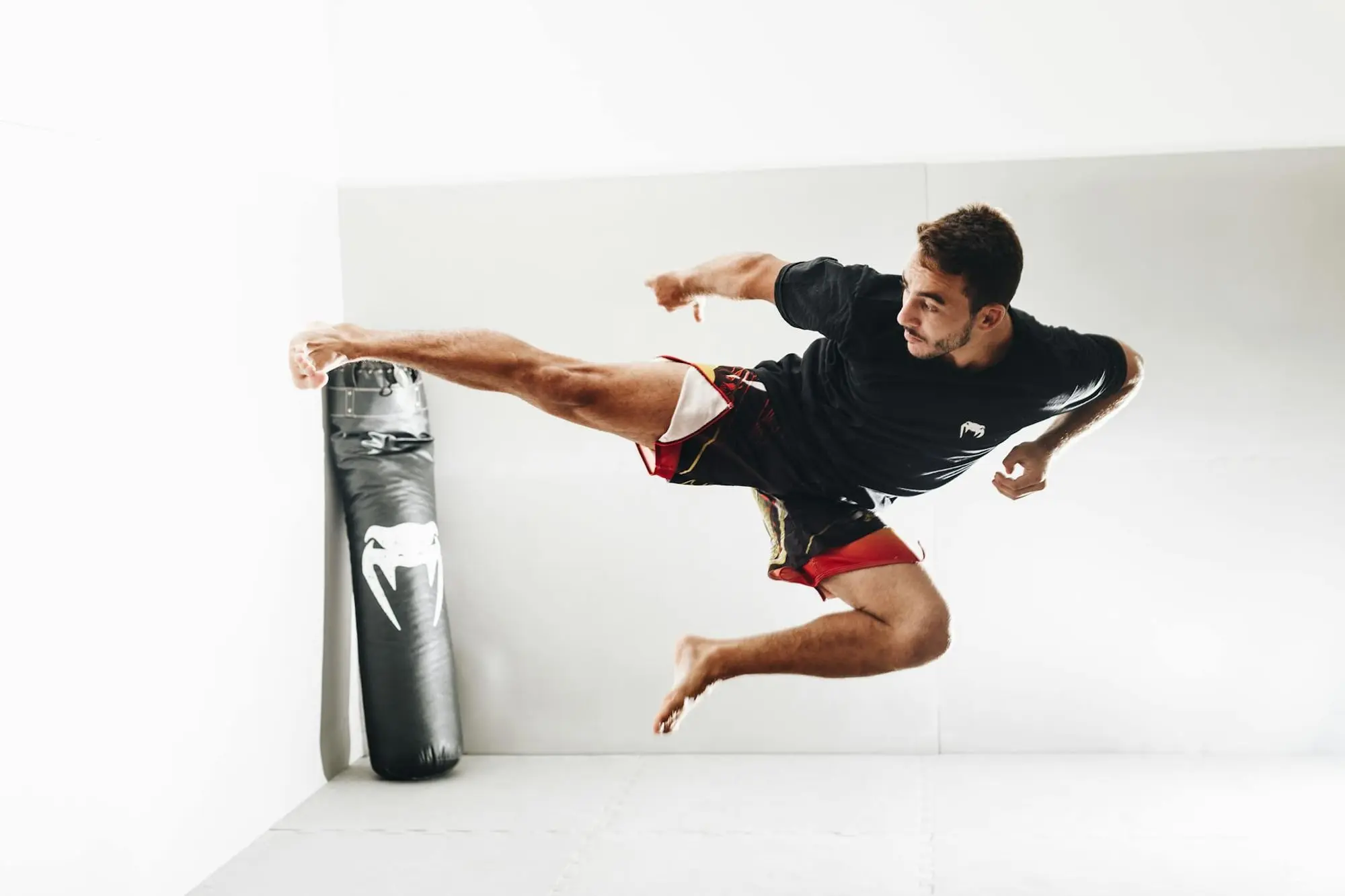
The dojo falls silent as Taz Skylar launches into a series of lightning-fast kicks, his leg slicing through the air with the precision of a master chef’s knife. Sweat beads on his forehead as he transitions seamlessly from a roundhouse kick to a spinning heel kick, embodying the fluid grace of Sanji, the beloved cook-fighter from Netflix’s live-action “One Piece.” For the Spanish-British actor, these aren’t just choreographed moves for the camera—they’re the result of months of dedicated training that transformed him into a legitimate martial artist.
When Skylar first landed the role of Sanji, he knew he had big shoes to fill. The character’s signature fighting style relies entirely on kicks, never using his hands in combat to protect his ability to cook. “I had to completely rewire my approach to fighting,” Skylar shared in a recent interview with Entertainment Weekly. “Sanji’s kicks aren’t just powerful—they’re elegant, almost dance-like.”
The transformation required wasn’t just physical; it demanded a complete mental shift toward understanding how a chef who fights exclusively with his legs would move through the world.
Building the Foundation: Flexibility and Mobility Work
Skylar’s journey began with addressing the fundamental requirement for Sanji’s fighting style—extraordinary flexibility. According to Shape magazine, actors preparing for physically demanding roles typically spend 40% of their training time on mobility work, and Skylar was no exception.
His daily routine starts with 30 minutes of dynamic stretching, focusing heavily on hip flexors, hamstrings, and ankle mobility. The actor worked with renowned movement specialist Ido Portal’s training methods, incorporating flowing movements that mirror Sanji’s fluid combat style. Research shows that improved hip flexibility can increase kicking height by up to 35%, a crucial element for executing Sanji’s signature high kicks.
Skylar particularly emphasizes deep hip stretches, spending extra time in positions like the 90/90 hip stretch and couch stretch. “My hips were so tight when I started,” he revealed to Men’s Health. “I could barely kick above waist height without losing my balance.”
The Kicking Arsenal: Technique Over Power
Unlike traditional martial arts training that often emphasizes raw power, Skylar’s approach prioritizes technique and speed. Working with stunt coordinator Chris Brewster, who has worked on films like “John Wick,” Skylar developed a training regimen that focuses on precision striking.

His kicking workout includes several key elements that any aspiring martial artist can incorporate:
- Chamber holds: Holding the knee-up position for 30 seconds to build hip flexor strength
- Slow-motion kicks: Performing kicks at quarter speed to perfect form and build control
- Target precision drills: Kicking specific targets at varying heights to improve accuracy
- Flow combinations: Linking 4-5 different kicks in smooth sequences
- Balance challenges: Executing kicks while standing on unstable surfaces like BOSU balls
- Plyometric explosions: Quick, explosive kicks focusing on speed rather than height
According to a 2024 study published in the Journal of Sports Sciences, martial artists who focus on slow, controlled movements before adding speed show 42% better technique retention than those who prioritize power from the start.
Strength Training: The Unsung Hero of Kicking Power
While flexibility gets the spotlight, Skylar’s strength training provides the foundation for his impressive kicking ability. His gym sessions, guided by principles from renowned trainer Don Saladino (who has trained Ryan Reynolds and Blake Lively), focus on unilateral leg strength and core stability.
The actor’s strength routine emphasizes single-leg exercises that mirror the demands of kicking. Bulgarian split squats, single-leg deadlifts, and lateral lunges form the backbone of his lower body training. “You’re always on one leg when you’re kicking,” Skylar explained to Muscle & Fitness. “Your standing leg needs to be incredibly strong and stable.”
Core work receives equal attention, with exercises that challenge rotational strength and anti-rotation stability. Pallof presses, wood chops with resistance bands, and single-arm farmer’s walks help build the trunk stability essential for maintaining balance during complex kicking combinations.
Recovery and Mental Training: The Hidden Elements
Perhaps most surprisingly, Skylar dedicates significant time to recovery and mental preparation. Following protocols similar to those used by UFC fighters, he incorporates ice baths, compression therapy, and targeted massage work to maintain his training intensity.

His mental training draws inspiration from visualization techniques used by Olympic taekwondo athletes. Before each training session, Skylar spends 10 minutes visualizing perfect technique execution, mentally rehearsing the feeling of each kick connecting with precision.
“Sanji’s kicks aren’t angry or violent,” Skylar noted in his interview with Variety. “They’re purposeful, almost artistic. I had to learn to kick with the same mindset he approaches cooking—with passion and precision.”
Sleep optimization became crucial as his training intensified. Research indicates that martial artists require 8-9 hours of quality sleep for optimal reaction time and coordination. Skylar works with a sleep specialist to maintain consistent sleep schedules, even during demanding filming periods.
The Complete Sanji-Inspired Workout Breakdown
| Training Component | Frequency | Key Focus | Time Investment |
|---|---|---|---|
| Flexibility/Mobility | Daily | Hip mobility, hamstring flexibility | 30-45 minutes |
| Kicking Technique | 5x per week | Precision, speed, combinations | 45-60 minutes |
| Strength Training | 3x per week | Unilateral leg strength, core stability | 60 minutes |
| Recovery Work | Daily | Ice baths, massage, visualization | 30 minutes |
The results speak for themselves. Skylar’s transformation from a relatively inexperienced martial artist to someone capable of executing Sanji’s signature moves demonstrates what’s possible with focused, intelligent training. His approach proves that achieving impressive kicking ability isn’t about raw athleticism—it’s about consistency, proper technique, and understanding the specific demands of your goals.
What makes Skylar’s journey particularly inspiring is how he embraced the character’s philosophy beyond just the physical movements. Like Sanji, who views his hands as sacred tools for cooking, Skylar learned to see his legs as instruments of artistry rather than just weapons. This mindset shift elevated not only his performance but his entire relationship with movement and martial arts.
How long did it take Taz Skylar to develop his kicking skills for Sanji?
Skylar trained intensively for approximately 6 months before filming began, with daily sessions focusing on flexibility, technique, and strength. He continued training throughout the filming process to maintain his skills.
Can beginners use Skylar’s workout routine?
While beginners can adapt elements of his routine, it’s essential to start slowly and focus on flexibility and basic technique first. Consider working with a qualified martial arts instructor before attempting advanced kicking combinations.
What type of martial arts background did Taz Skylar have before One Piece?
Skylar had limited martial arts experience before landing the role. His transformation demonstrates what’s possible with dedicated training and proper instruction, regardless of starting point.
How important is flexibility compared to strength for kicking ability?
Both are crucial, but Skylar’s experience suggests flexibility and mobility work should be prioritized initially. Without adequate hip and leg flexibility, even strong athletes struggle to execute high, controlled kicks safely.