“The reality is that both sit-ups and crunches can be effective for building core strength, but the devil is in the details,” celebrity trainer Jillian Michaels told Shape magazine. “Form matters more than the number of reps you bang out.”
The age-old debate between sit-ups and crunches continues to divide fitness enthusiasts, from Hollywood A-listers to weekend warriors. While both exercises target the abdominal muscles, understanding their differences can help you make smarter choices for your core training routine.
According to research from Harvard Health Publishing, improper execution of either exercise can lead to lower back strain and minimal muscle activation. The key lies in understanding which movement pattern serves your specific fitness goals and physical limitations.
The Fundamental Differences Between Sit-Ups and Crunches
Sit-ups and crunches may appear similar, but they engage different muscle groups with varying intensity levels. A traditional sit-up involves lifting your entire torso from a lying position to an upright seated position, creating movement through multiple joints.
Crunches, by contrast, involve a smaller range of motion where only the shoulder blades lift off the ground. This targeted approach focuses primarily on the rectus abdominis, commonly known as the “six-pack” muscles.
Celebrity trainer Harley Pasternak, who has worked with stars like Lady Gaga and Rihanna, emphasizes the importance of understanding these biomechanical differences. According to Men’s Health, Pasternak often incorporates crunches into his celebrity training programs because they offer better muscle isolation with reduced injury risk.
Research from the American Council on Exercise found that sit-ups recruit the hip flexors significantly more than crunches. This recruitment can be beneficial for functional movement patterns but may also place additional stress on the lower back for individuals with poor hip mobility.
Muscle Activation: What Science Tells Us
A 2019 study published in the Journal of Sports Science and Medicine analyzed EMG activity during various abdominal exercises. The research revealed that crunches produced higher activation in the upper rectus abdominis compared to traditional sit-ups.
However, sit-ups demonstrated superior activation of the lower abdominal region and engaged stabilizing muscles throughout the core complex. This comprehensive muscle recruitment makes sit-ups more functional for real-world movement patterns.
Tracy Anderson, the celebrity trainer known for her work with Gwyneth Paltrow and Madonna, advocates for controlled movement quality over quantity. According to Vogue, Anderson’s method emphasizes precise muscle targeting, which aligns more closely with the crunch movement pattern.
The hip flexor involvement in sit-ups can be both an advantage and a drawback. For athletes requiring hip flexor strength, this additional recruitment proves beneficial. However, individuals with tight hip flexors may experience compensation patterns that reduce abdominal activation.

Proper Form: Executing Each Exercise Safely
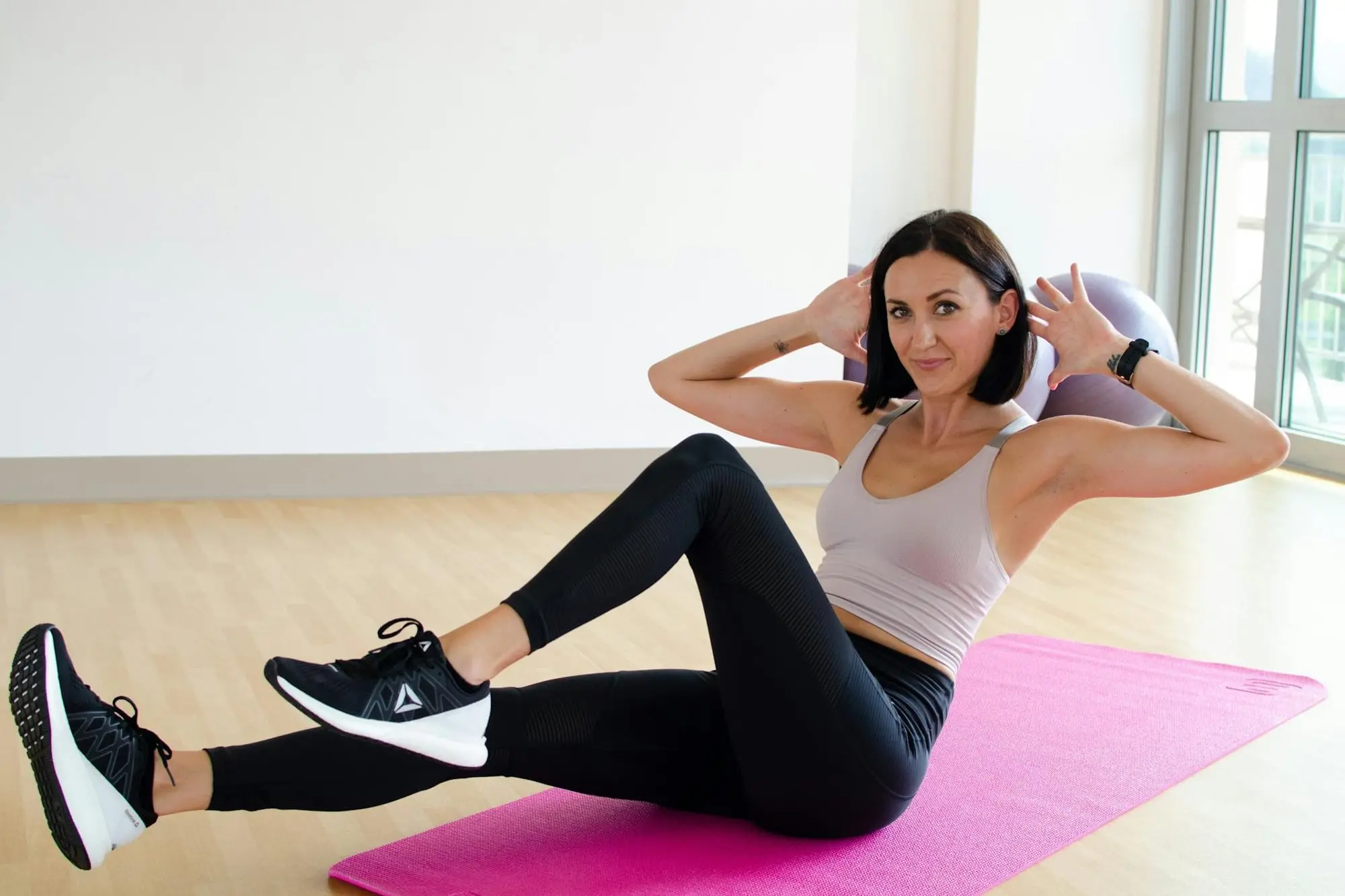
Mastering proper form remains crucial for maximizing benefits while minimizing injury risk. For crunches, begin lying on your back with knees bent and feet flat on the floor. Place hands behind your head without interlacing fingers, avoiding any pulling on the neck.
The movement should originate from the abdominal muscles, lifting only the shoulder blades off the ground. Focus on exhaling during the upward phase while maintaining a neutral neck position throughout the range of motion.
Sit-up execution requires similar starting positioning but involves a complete lifting motion to an upright seated position. Keep feet anchored and maintain control throughout both the ascending and descending phases.
Common mistakes include using momentum, pulling on the neck, and allowing the lower back to arch excessively. Celebrity trainer Gunnar Peterson, who has trained the Kardashian family and numerous NBA players, told E! News that focusing on slow, controlled movements yields better results than rapid repetitions.
According to the National Academy of Sports Medicine, proper breathing patterns enhance core activation during both exercises. Exhaling during the exertion phase helps engage the deep stabilizing muscles of the core.
Injury Prevention and Contraindications
Lower back safety concerns represent the primary consideration when choosing between these exercises. The American Physical Therapy Association notes that sit-ups place greater compressive forces on spinal discs compared to crunches.
Individuals with existing lower back issues should generally avoid traditional sit-ups in favor of modified variations or crunches. The full range of motion in sit-ups can exacerbate disc problems and create compensatory movement patterns.
Neck strain represents another common injury risk for both exercises. Proper hand placement and avoiding forward head posture help minimize this risk. Some fitness professionals recommend crossed arms over the chest to eliminate neck involvement entirely.
People with hip flexor tightness may experience lower back discomfort during sit-ups. According to research from the University of Waterloo, excessive hip flexor tension can create anterior pelvic tilt and increase lumbar extension during the exercise.
What the Experts Recommend
The fitness industry has largely evolved toward more functional core training approaches that extend beyond traditional sit-ups and crunches. However, both exercises maintain relevance when programmed appropriately.
CrossFit incorporates sit-ups as a fundamental movement in many workout formats, emphasizing their functional application. The CrossFit methodology values the hip flexor recruitment as beneficial for athletic performance.
Pilates studios typically favor crunch-style movements that align with the method’s emphasis on precise muscle control. Joseph Pilates originally designed exercises that targeted specific muscle groups with minimal compensation patterns.
For general fitness populations, many experts recommend a combination approach. According to Women’s Health, incorporating both exercises allows for comprehensive abdominal development while addressing different strength qualities.
The key factors experts consider when programming these exercises include:
- Individual injury history and physical limitations
- Specific training goals and sport requirements
- Current core strength and movement quality
- Available training time and exercise variety preferences
- Integration with overall workout programming
- Progression and regression options for long-term development

Comparing Sit-Ups vs. Crunches: The Complete Breakdown
| Factor | Sit-Ups | Crunches |
|---|---|---|
| Primary Muscles | Rectus abdominis, hip flexors, obliques | Rectus abdominis (upper focus) |
| Range of Motion | Full torso lift to seated position | Shoulder blades lift only |
| Difficulty Level | Higher (requires more strength/coordination) | Lower (more beginner-friendly) |
| Injury Risk | Higher (lower back, neck strain potential) | Lower (reduced spinal stress) |
| Functional Application | High (mimics daily movement patterns) | Moderate (isolated muscle strengthening) |
| Equipment Needed | None (optional: mat for comfort) | None (optional: mat for comfort) |
The choice between sit-ups and crunches ultimately depends on individual circumstances and training objectives. Neither exercise represents a complete core training solution, but both can contribute to a well-rounded fitness program when executed properly.
Modern fitness approaches often emphasize planks, dead bugs, and other stabilization exercises that challenge the core in multiple planes of movement. However, the simplicity and accessibility of sit-ups and crunches ensure their continued relevance in fitness programming.
Celebrity trainer Don Saladino, who has worked with Blake Lively and Ryan Reynolds, advocates for exercise variety in core training. According to People magazine, Saladino believes that combining traditional exercises like crunches with modern functional movements creates the most comprehensive approach.
The most effective strategy involves assessing your current fitness level, identifying any physical limitations, and selecting the exercise variation that best supports your long-term goals. Progressive overload principles apply to both movements, allowing for continued adaptation and strength development over time.
Are sit-ups or crunches better for getting a six-pack?
Neither exercise alone will create visible abs. Body fat reduction through proper nutrition combined with comprehensive core training yields the best results for muscle definition.
How many sit-ups or crunches should I do daily?
Quality trumps quantity. Focus on 2-3 sets of 10-20 repetitions with perfect form rather than performing hundreds of poorly executed repetitions.
Can sit-ups hurt your lower back?
Yes, particularly if performed with poor form or by individuals with existing back issues. Crunches generally present lower risk for back problems.
Should beginners start with sit-ups or crunches?
Beginners typically benefit from starting with crunches to develop basic core strength and proper movement patterns before progressing to more challenging sit-up variations.
You might also like

 Dermatologists reveal how to shield yourself from skin cancer during outdoor workouts