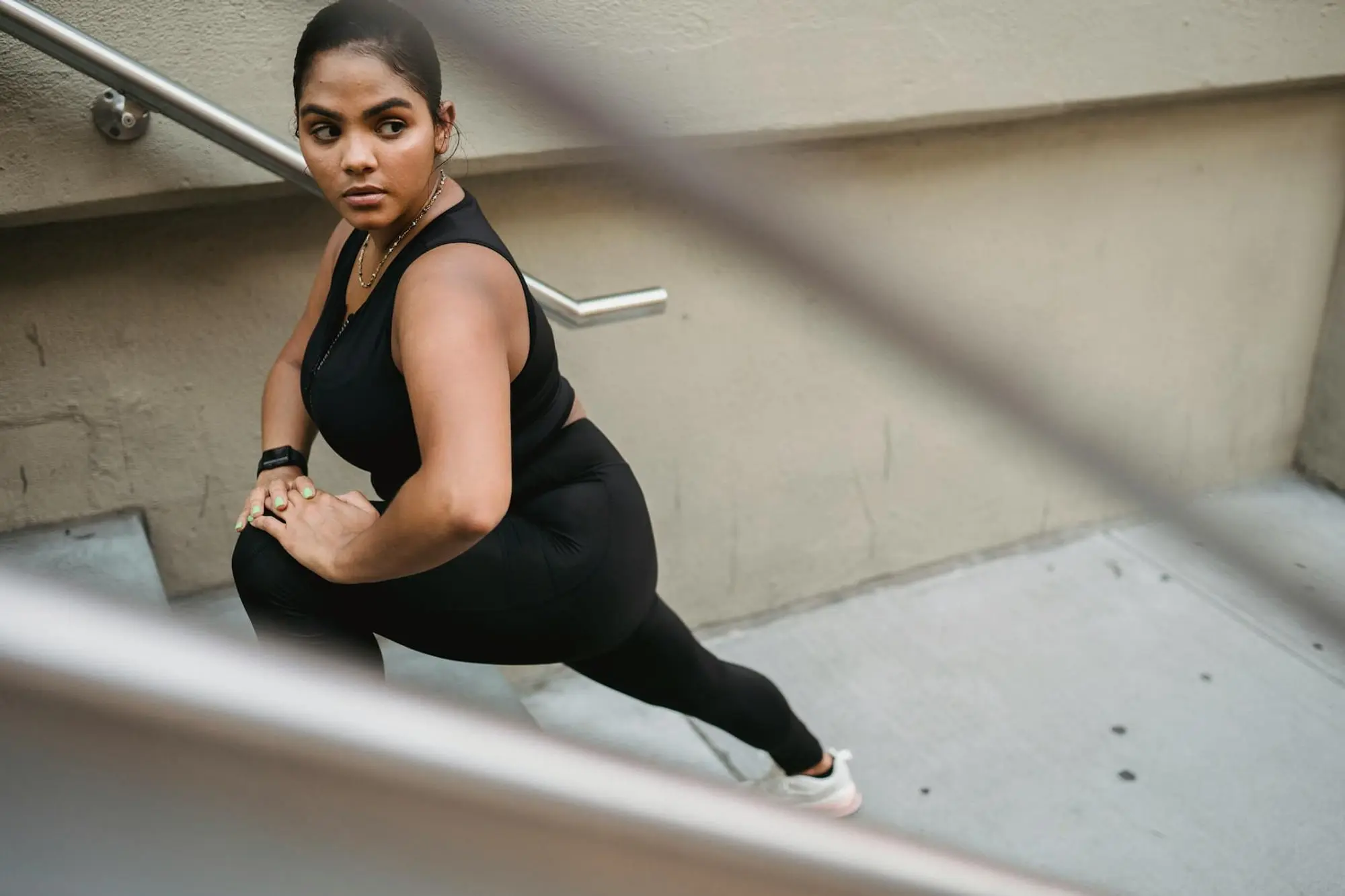
“As we age, our bones become more fragile, but high-impact exercise like jumping can actually help reverse this process,” celebrity trainer Simone De La Rue told Harper’s Bazaar in a recent interview about bone health for women over 40. The Body by Simone founder has trained A-listers like Sandra Bullock and Chrissy Teigen, and she’s passionate about helping women understand that the very exercises they fear might be exactly what their bones need most.
Yet many women entering their fifth decade instinctively shy away from jumping workouts, worried about joint pain, injury risk, or feeling foolish bouncing around. This avoidance, however well-intentioned, could be undermining one of the most effective strategies for maintaining bone density as estrogen levels decline.
The Science Behind Jumping and Bone Health
Research from the University of Missouri found that just 10-20 jumps performed twice daily can significantly improve hip bone density in women over 40. The study, published in the American Journal of Health Promotion, showed that high-impact activities create the mechanical stress bones need to trigger new bone formation.
“Bones are living tissue that respond to the demands we place on them,” explains Dr. Pamela Hinton, who led the Missouri research. When bones experience impact forces greater than those encountered in daily activities, they adapt by becoming stronger and denser.
According to the National Osteoporosis Foundation, women can lose up to 20% of their bone density in the five to seven years following menopause. This dramatic decline makes the forties a critical decade for implementing bone-building strategies, yet it’s precisely when many women begin scaling back high-impact activities.
Celebrity trainer Tracy Anderson, who has worked with Gwyneth Paltrow and Jennifer Lopez for decades, emphasizes the importance of maintaining bone-loading exercises as clients age. “The biggest mistake I see is women becoming too cautious with their bodies,” Anderson told Women’s Health. “Your bones need challenge to stay strong.”
Why Women Over 40 Skip the Jumps
The reluctance to embrace jumping exercises stems from legitimate concerns. Joint stiffness often increases with age, and many women worry about stress incontinence during high-impact movements. Research from the International Journal of Sports Physical Therapy indicates that up to 30% of female athletes experience some form of exercise-related incontinence.
Fear of injury also plays a significant role. A 2023 survey by the American Council on Exercise found that 68% of women over 40 avoid plyometric exercises due to concerns about knee, ankle, or back problems. Many associate jumping with their younger selves and feel self-conscious attempting these movements in midlife.
Past negative experiences compound these hesitations. Women who struggled with traditional gym classes or felt intimidated by high-intensity workouts often carry those feelings forward, avoiding anything that seems too aggressive or demanding.
Additionally, the fitness industry has historically marketed gentler approaches to women over 40. Yoga, walking, and light resistance training dominate the conversation around midlife fitness, inadvertently reinforcing the idea that women should dial down intensity as they age.

Simple Jumping Exercises That Deliver Results
The good news is that bone-building jumps don’t require complex choreography or extreme athleticism. Research shows that even basic jumping movements can provide significant benefits when performed consistently.
The Basic Two-Foot Jump serves as the foundation movement. Standing with feet hip-width apart, women simply jump straight up, landing softly on both feet. The key is focusing on the landing—this is where bones experience the beneficial impact forces.
Step-Ups with a Hop offer a gentler introduction for beginners. Using a sturdy step or platform, step up with one foot, then add a small hop at the top before stepping back down. This progression allows women to gradually increase impact forces as strength and confidence build.
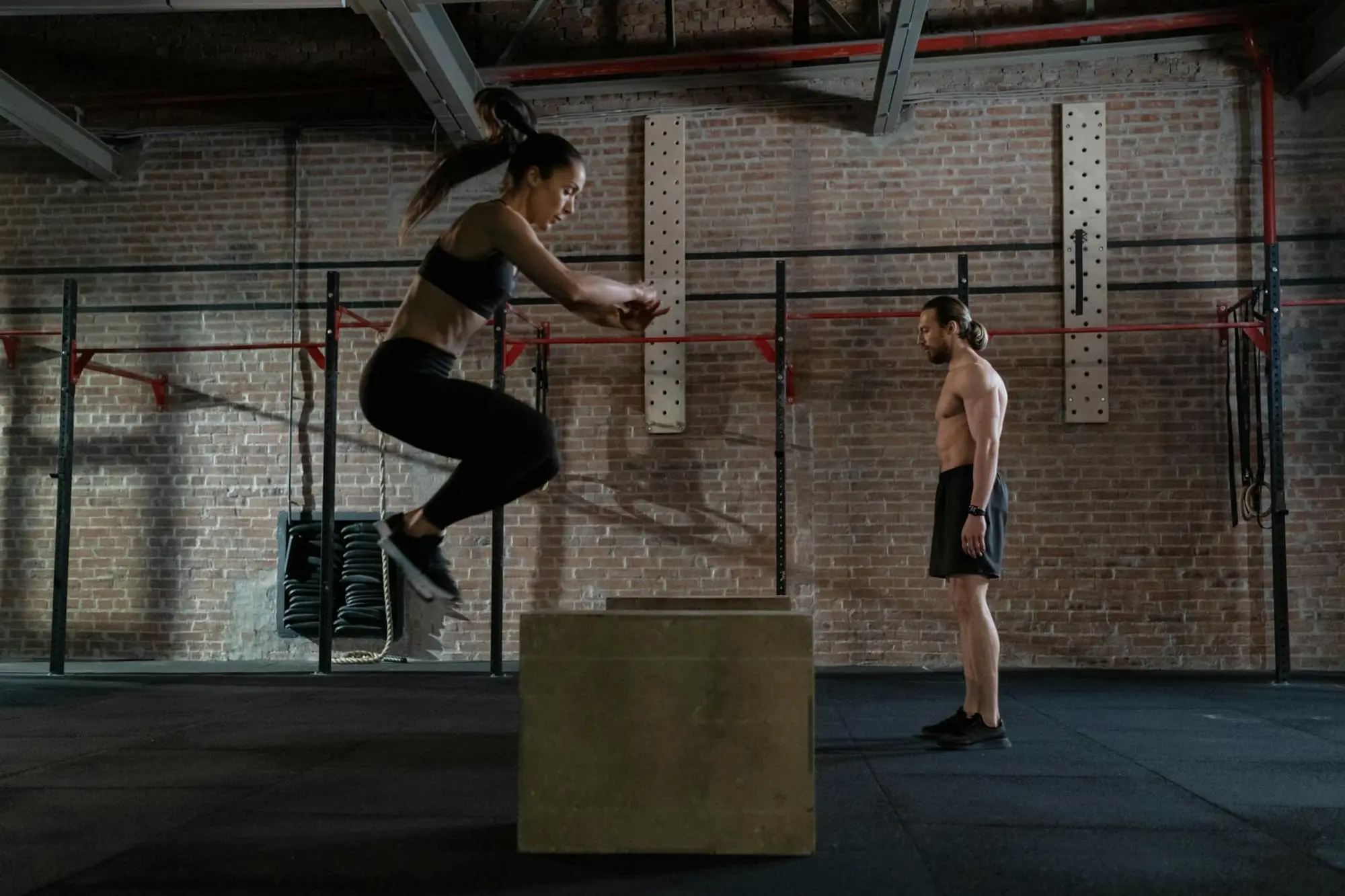
Box Jumps represent the advanced end of the spectrum. Jumping onto a raised platform challenges multiple muscle groups while providing significant bone-loading benefits. Celebrity trainer Gunnar Peterson, who has trained the Kardashians and numerous professional athletes, incorporates box jumps into many of his female clients’ routines, regardless of age.
The progression principle is crucial. Starting with 10-15 jumps twice weekly and gradually increasing frequency and intensity allows bones and joints to adapt safely. Most women can progress to 20-30 jumps within four to six weeks.
What the Experts Recommend
Leading bone health specialists and fitness professionals agree that jumping exercises should be part of most women’s fitness routines after 40, barring specific medical contraindications.
According to the American College of Sports Medicine, high-impact activities should be performed 3-5 times per week for optimal bone benefits. The organization recommends starting with 10-20 jumps and progressing based on individual tolerance and fitness level.
Dr. Miriam Nelson, author of “Strong Women, Strong Bones,” advocates for a comprehensive approach that includes jumping alongside resistance training. Her research at Tufts University demonstrated that women who combined high-impact exercises with strength training saw greater improvements in bone density than those who did only one type of exercise.
Fitness expert Jillian Michaels, known for training celebrities like Jessica Simpson, emphasizes proper form over intensity. “It’s not about jumping as high as possible,” Michaels explained in a Shape magazine interview. “It’s about consistent, controlled movements that challenge your bones without overwhelming your joints.”
The following guidelines represent expert consensus for women over 40 beginning jumping exercises:
- Start with 2-3 sessions per week, allowing rest days between jumping workouts
- Begin with 10-15 basic jumps and increase by 2-3 jumps weekly
- Focus on soft landings with bent knees to reduce joint stress
- Wear supportive athletic shoes designed for high-impact activities
- Stop if you experience joint pain and consult a healthcare provider
- Consider working with a qualified trainer for the first few sessions
- Combine jumping with calcium and vitamin D supplementation for maximum bone benefits
Addressing Common Concerns and Modifications
Women with specific health considerations don’t necessarily need to avoid jumping exercises entirely. Many concerns can be addressed through proper modifications and preparation.
For stress incontinence issues, pelvic floor strengthening exercises performed consistently for 6-8 weeks often resolve exercise-related symptoms. The American Urogynecologic Society recommends Kegel exercises and deep core strengthening as first-line treatments.
Joint concerns can often be managed through proper warm-up, appropriate footwear, and surface selection. Jumping on grass, rubber mats, or specialized flooring reduces impact forces compared to concrete or hardwood surfaces.
Women with osteoporosis should consult their physicians before beginning high-impact exercise programs. However, the International Osteoporosis Foundation notes that many women with low bone density can safely perform modified jumping exercises under proper supervision.

The table below summarizes bone density improvement from different exercise approaches:
| Exercise Type | Bone Density Improvement | Study Duration | Participant Age |
|---|---|---|---|
| Jumping only | 2.8% hip improvement | 12 months | 40-55 years |
| Resistance training only | 1.9% hip improvement | 12 months | 40-55 years |
| Combined jumping + resistance | 4.2% hip improvement | 12 months | 40-55 years |
These findings, compiled from multiple studies published in the Journal of Bone and Mineral Research, demonstrate the superior benefits of including high-impact exercises in bone health protocols.
Celebrity trainer Don Saladino, who has worked with Blake Lively and Ryan Reynolds, emphasizes the importance of viewing exercise as medicine. “We wouldn’t skip taking medication that could prevent fractures,” Saladino told Men’s Health in a discussion about training female clients over 40. “High-impact exercise is equally important for bone health.”
The key to success lies in starting gradually and remaining consistent. Women who commit to regular jumping exercises for six months or longer typically see measurable improvements in bone density markers, balance, and overall confidence in their physical capabilities.
Modern fitness programs like Peloton’s strength classes and Nike Training Club now include age-appropriate plyometric workouts specifically designed for women over 40. These programs acknowledge that intensity and safety aren’t mutually exclusive—they’re complementary when exercises are properly designed and progressively implemented.
Is it safe to start jumping exercises if I’ve been sedentary?
Yes, but start very gradually with basic movements and consider consulting a fitness professional. Begin with 5-10 small jumps and focus on proper landing technique before increasing intensity.
How quickly will I see bone density improvements?
Most research shows measurable bone density changes occur after 6-12 months of consistent high-impact exercise. However, many women notice improvements in strength and balance within 4-6 weeks.
What should I do if jumping causes knee or hip pain?
Stop the exercise and consult a healthcare provider. Pain during jumping may indicate underlying joint issues that need evaluation before continuing high-impact activities.
Can jumping exercises help prevent osteoporosis if I have a family history?
While genetics play a role in osteoporosis risk, research shows that high-impact exercise can significantly slow bone loss and may help prevent or delay osteoporosis onset, even in genetically predisposed individuals.