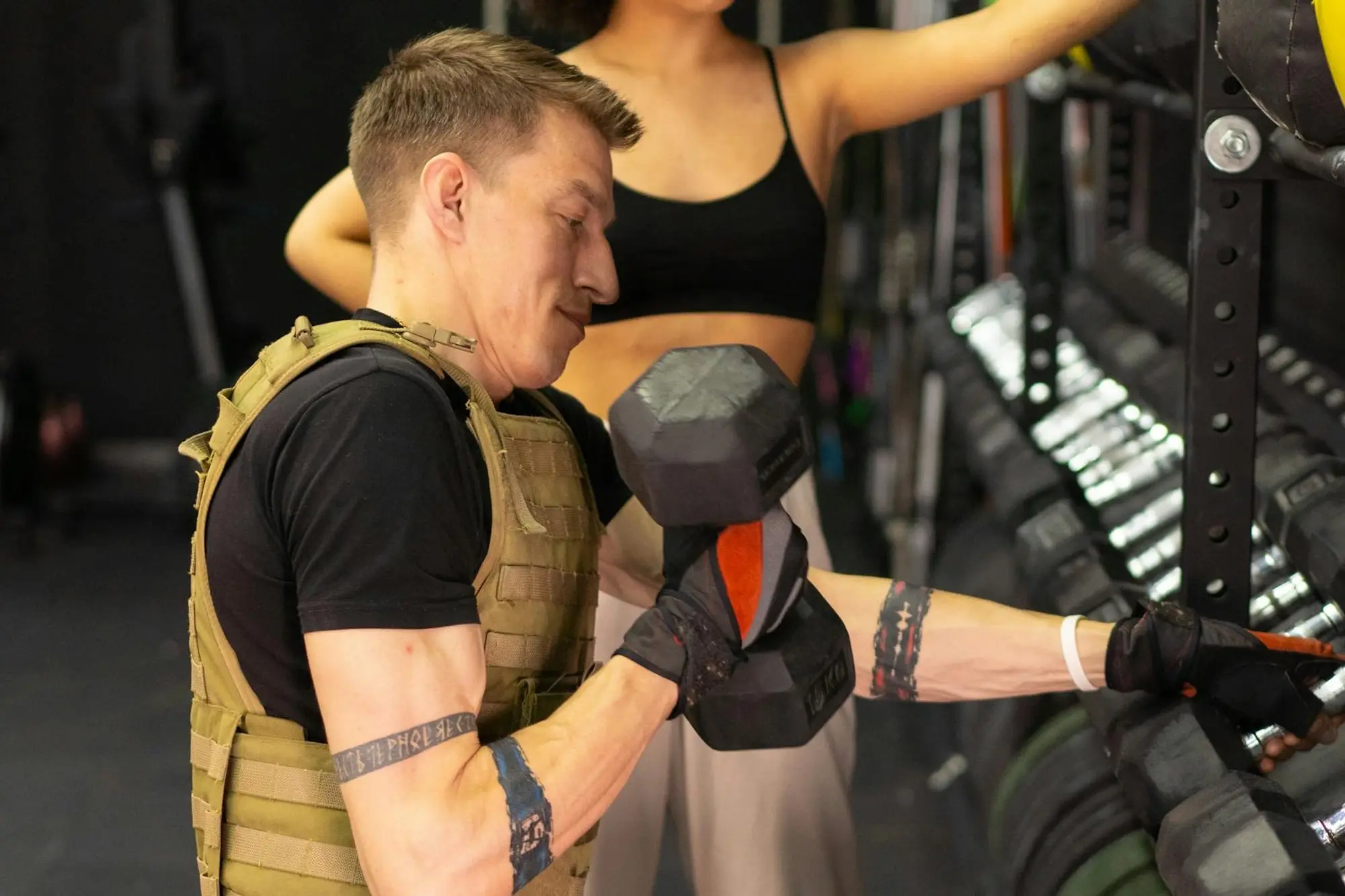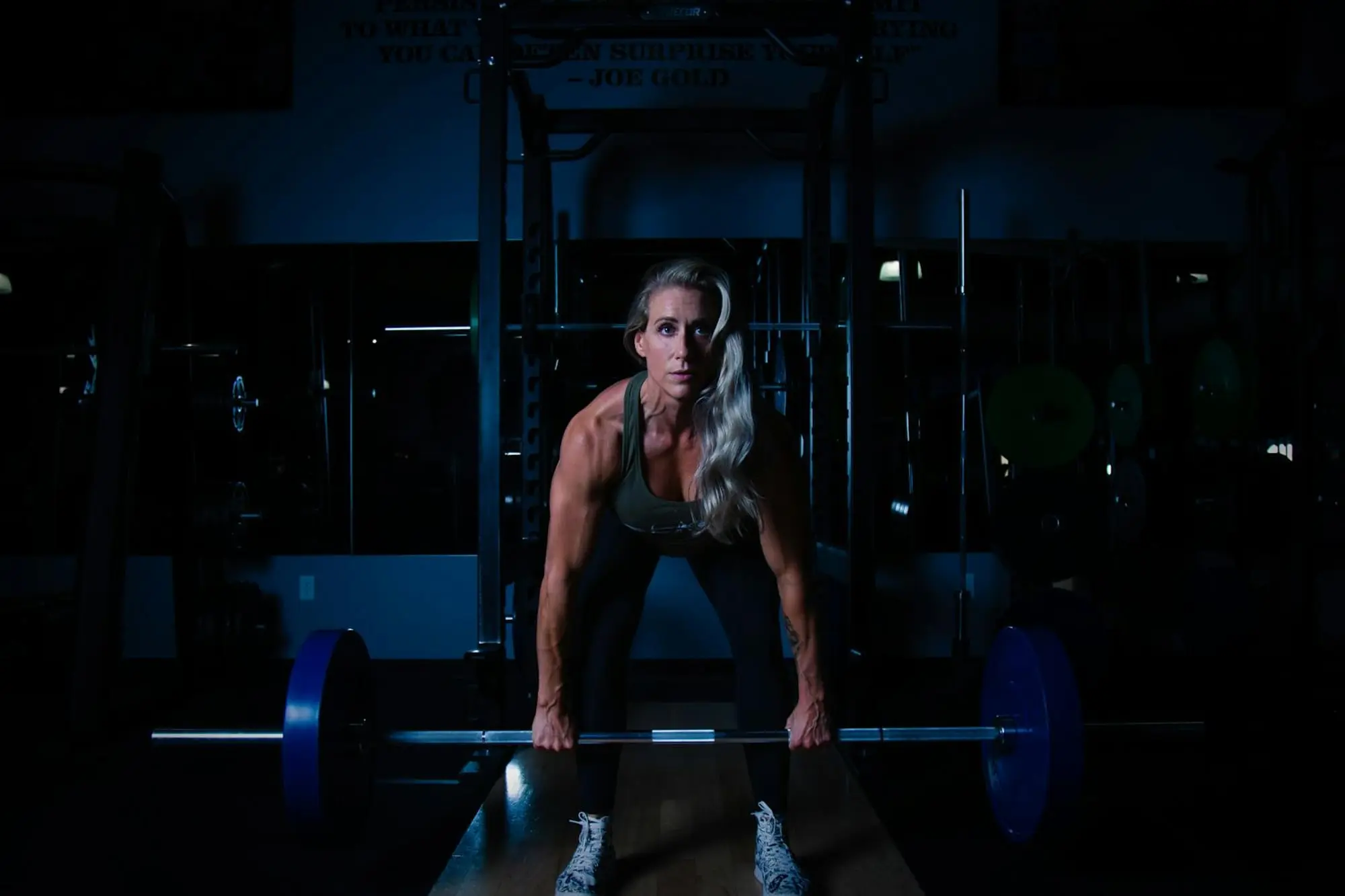
“You should start to feel stronger and notice changes in your body composition within the first four to six weeks of consistent training,” celebrity trainer Kayla Itsines told Women’s Health in a recent interview about realistic fitness expectations. The creator of the globally popular Sweat app emphasized that while initial changes happen quickly, visible transformations require patience and consistency.
When it comes to workout results, timing expectations can make or break your fitness journey. According to the American College of Sports Medicine, most people abandon their exercise routines within the first three months due to unrealistic expectations about how quickly results should appear.
The Science Behind Workout Results Timeline
Research from McMaster University reveals that physiological changes begin occurring within days of starting a new exercise routine. However, the timeline for visible results varies significantly based on what type of change you’re seeking.
According to Healthline, strength gains typically appear first, often within two to three weeks of consistent resistance training. This initial improvement stems from neuromuscular adaptations rather than actual muscle growth. Your nervous system becomes more efficient at recruiting muscle fibers, leading to improved performance before any structural changes occur.
Cardiovascular improvements follow a similar rapid timeline. A 2023 study published in the Journal of Applied Physiology found that VO2 max improvements can be detected within 10-14 days of starting aerobic exercise. Heart rate recovery and overall endurance capacity show measurable improvements within the first month.
When Physical Changes Become Visible
Celebrity trainer Harley Pasternak, who has worked with stars like Lady Gaga and Megan Thee Stallion, consistently tells his clients that visible muscle definition typically emerges between weeks six and eight of proper training. According to Shape magazine, Pasternak emphasizes that body composition changes require both exercise consistency and nutritional discipline.
Muscle hypertrophy research from the University of Alabama indicates that measurable muscle fiber growth begins around week four of resistance training. However, these microscopic changes don’t translate to visible definition until weeks six through ten, depending on starting body fat percentage and genetic factors.
Fat loss timelines vary more dramatically between individuals. The Mayo Clinic reports that sustainable fat loss occurs at approximately one to two pounds per week with proper diet and exercise combination. Visible changes in body shape typically become apparent after losing roughly 5-10% of starting body weight.

What the Experts Recommend
Tracy Anderson, founder of the Tracy Anderson Method and trainer to celebrities like Gwyneth Paltrow and Jennifer Lopez, advocates for a structured approach to fitness expectations. According to Vogue, Anderson recommends her clients commit to 90 days before making major program adjustments.
The fitness industry’s leading experts consistently emphasize these key principles for optimal results:
- Consistency trumps intensity: Training three to four times per week produces better long-term results than sporadic intense sessions
- Progressive overload is essential: Gradually increasing weight, reps, or intensity ensures continued adaptation
- Recovery periods are non-negotiable: Muscles grow during rest periods, not during workouts
- Nutrition accounts for 70-80% of visible results: Exercise alone cannot overcome poor dietary choices
- Sleep quality directly impacts results: The National Sleep Foundation recommends 7-9 hours nightly for optimal recovery
- Hydration affects performance: Even 2% dehydration can reduce workout effectiveness by up to 15%
- Realistic goal-setting prevents burnout: Focus on performance improvements rather than purely aesthetic changes
Don Saladino, personal trainer to stars like Ryan Reynolds and Blake Lively, told Men’s Health that his most successful clients focus on strength and performance metrics rather than scale weight or mirror assessments during the first eight weeks of training.
Different Workout Types, Different Timelines
High-Intensity Interval Training (HIIT) programs like those offered through Peloton or Barry’s Bootcamp can produce cardiovascular improvements within two weeks. According to research from the University of British Columbia, HIIT participants showed improved insulin sensitivity and increased fat oxidation within 14 days of starting their programs.
Strength training results follow a more predictable timeline. CrossFit athletes typically see significant strength gains within four to six weeks, according to data from CrossFit Inc. The functional movement patterns and progressive loading inherent in CrossFit methodology accelerate strength adaptations compared to traditional bodybuilding splits.
Pilates and yoga practitioners experience different types of improvements. A study from the University of Miami found that Pilates participants showed improved core strength and flexibility within three weeks, though visible muscle definition required 8-12 weeks of consistent practice.

| Workout Type | Initial Results Timeline | Visible Changes Timeline | Peak Adaptation Period |
|---|---|---|---|
| Strength Training | 2-3 weeks (strength gains) | 6-8 weeks (muscle definition) | 12-16 weeks |
| Cardiovascular Exercise | 1-2 weeks (endurance) | 4-6 weeks (body composition) | 8-12 weeks |
| HIIT Programs | 1-2 weeks (performance) | 4-6 weeks (fat loss) | 6-10 weeks |
| Pilates/Yoga | 2-3 weeks (flexibility/balance) | 6-10 weeks (posture/tone) | 12-20 weeks |
Factors That Accelerate or Delay Results
Gunnar Peterson, celebrity trainer who has worked with the Kardashian family and numerous professional athletes, emphasizes that individual factors significantly impact results timelines. According to People magazine, Peterson identifies age, training history, and genetics as the primary variables affecting workout response rates.
Beginners typically see faster initial improvements compared to experienced exercisers. The phenomenon, known as “newbie gains,” allows untrained individuals to build muscle and lose fat simultaneously during their first 12-16 weeks of consistent exercise.
Hormonal factors also play crucial roles in results timing. Research from Harvard Medical School indicates that cortisol levels, sleep quality, and nutritional status can either accelerate or significantly delay visible changes from exercise programs.
Nike Training Club data suggests that users who combine strength training with cardiovascular exercise see comprehensive results approximately 25% faster than those focusing on single exercise modalities.
Maintaining Realistic Expectations
Celebrity trainer Jillian Michaels consistently advises clients to focus on non-scale victories during the first month of training. According to Women’s Health, Michaels emphasizes improvements in energy levels, sleep quality, and daily functional movements as early indicators of program effectiveness.
The fitness tracking company Fitbit analyzed data from over 10 million users and found that individuals who maintained consistent workout schedules for 12 weeks had a 78% likelihood of continuing their programs long-term. Those who expected rapid results and became discouraged had abandonment rates exceeding 60% within the first six weeks.
Professional athletes and celebrities maintain their physiques through long-term consistency rather than quick fixes. According to Vogue, stars like Jennifer Aniston and Reese Witherspoon have worked with the same trainers for years, focusing on sustainable habits rather than dramatic transformations.
The key to workout success lies in understanding that meaningful results require time, consistency, and realistic expectations. While initial improvements in strength and endurance can appear within weeks, the visible transformations that most people seek typically emerge after 6-8 weeks of dedicated effort.
How long before I see muscle definition from strength training?
Most people begin seeing muscle definition between weeks 6-8 of consistent resistance training, though strength gains appear much earlier around weeks 2-3.
Why am I not losing weight despite regular workouts?
Weight loss depends heavily on creating a caloric deficit through diet. Exercise alone may build muscle while losing fat, causing weight to remain stable even as body composition improves.
Should I change my workout routine if I don’t see results in 4 weeks?
Four weeks is too early to make major program changes. Focus on consistency, proper nutrition, and adequate recovery before modifying your exercise routine.
How often should I work out to see optimal results?
Most fitness experts recommend 3-4 workout sessions per week, allowing for adequate recovery time between sessions while maintaining consistent stimulus for adaptation.
You might also like