Anna stared into her fridge at 7:30 PM on a Tuesday, feeling that familiar wave of exhaustion wash over her. After a long day of back-to-back meetings and a rushed workout, the last thing she wanted was to spend an hour cooking dinner. The leftover pizza from Sunday was calling her name, but she knew her body needed something more substantial—something with actual protein to help her recover and feel satisfied.
Like millions of busy professionals, Anna had fallen into the trap of thinking that high-protein meals required elaborate meal prep or complicated recipes. She’d tried the Sunday prep routine, but life kept getting in the way. What she didn’t realize was that nutritious, protein-packed meals could be just as quick and easy as ordering takeout.
Research shows that adults need approximately 0.8 grams of protein per kilogram of body weight daily, yet nearly 42% of Americans don’t meet their daily protein requirements. The problem isn’t lack of knowledge—it’s the misconception that healthy, protein-rich meals are time-consuming to prepare.
The 5-Minute Protein Revolution

Anna’s breakthrough came when she discovered that some of the most nutritious meals could be assembled in less time than it takes to scroll through food delivery apps. Nutritionists emphasize that quick doesn’t mean compromising on quality—it’s about smart ingredient choices and strategic preparation.
“The key is having versatile, high-protein ingredients that can be combined in multiple ways,” explains registered dietitian Sarah Chen. A 2023 study published in the Journal of Nutrition Education found that people who kept five or fewer high-protein staples on hand were 60% more likely to prepare homemade meals during busy weekda

ys.
The magic happens when you think of meals as protein + vegetables + healthy fats rather than complex recipes. This simple formula transforms cooking from a chore into an efficient, almost automatic process.
Morning Protein Powerhouses That Beat the Clock
Mornings set the tone for Anna’s entire day, and she learned that starting with adequate protein—about 20-25 grams—helped stabilize her energy levels until lunch. The secret wasn’t elaborate breakfast spreads but rather strategic combinations that took minutes to assemble.
Greek yogurt became her morning MVP, offering 20 grams of protein per cup. Mixed with berries and a tablespoon of almond butter, it provided sustained energy without the mid-morning crash. On days when she craved something warm, scrambled eggs with spinach and feta took exactly three minutes in the microwave.
Experts estimate that people who eat high-protein breakfasts consume 400 fewer calories throughout the day compared to those who start with carb-heavy meals. Anna noticed this difference within her first week—she stopped reaching for the office vending machine by 10 AM.
Lunch Solutions That Actually Satisfy
The afternoon slump used to hit Anna like clockwork at 2 PM, leaving her reaching for coffee and whatever snacks were within arm’s reach. She discovered that the culprit wasn’t just lack of sleep—it was lunches that left her blood sugar on a roller coaster.
Her game-changing lunch formula became protein + complex carbs + vegetables, assembled in under 10 minutes. Canned salmon mixed with avocado and served over greens provided 35 grams of protein and healthy omega-3 fatty acids. On days when she wanted something warm, rotisserie chicken (pre-shredded on Sunday) with quinoa and roasted vegetables took five minutes to heat and combine.
Research shows that meals containing at least 25 grams of protein trigger satiety hormones more effectively than lower-protein alternatives. Anna’s energy levels stabilized, and she found herself naturally eating smaller portions without feeling deprived.
Dinner: The Art of Strategic Simplicity
Dinner had always been Anna’s biggest challenge—arriving home tired and hungry, with limited mental energy for decision-making. She learned that preparation wasn’t about spending hours on Sunday but rather about having the right ingredients and a few reliable formulas.
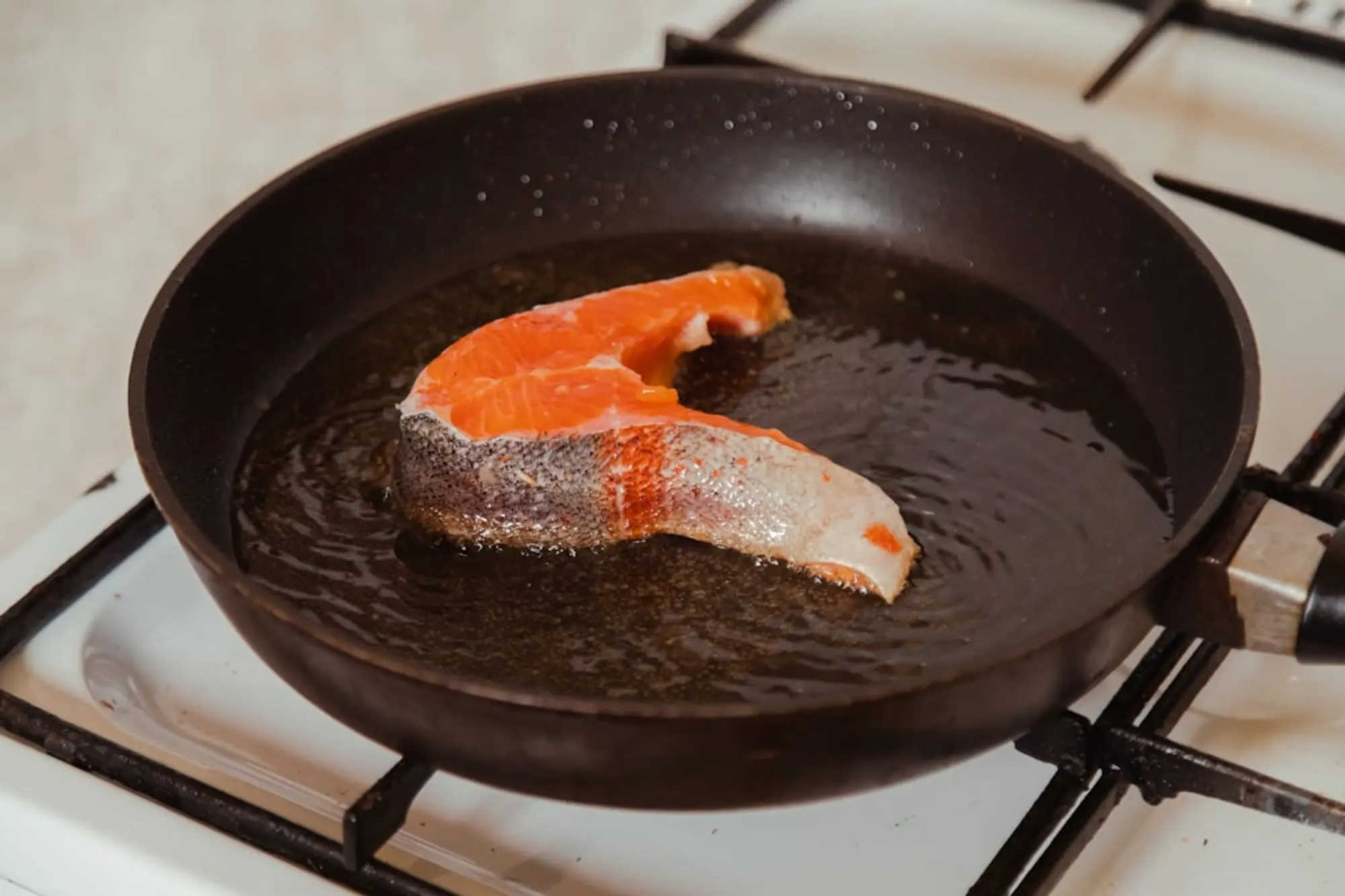
Sheet pan meals became her secret weapon. Protein (chicken thighs, salmon, or tofu) paired with seasonal vegetables, drizzled with olive oil and seasonings, then roasted for 20-25 minutes. While dinner cooked, she could decompress, respond to texts, or prepare tomorrow’s lunch.
The variety came from changing seasonings and vegetables rather than completely different cooking methods. Mediterranean one night (herbs, lemon, olives), Asian-inspired the next (ginger, soy sauce, sesame oil), Mexican-flavored midweek (cumin, paprika, lime).
Quick-Assembly Protein Combinations That Work
Anna’s nutritionist helped her identify foolproof combinations that required minimal cooking skills but delivered maximum nutritional impact. These became her go-to options when decision fatigue struck:
- The Mediterranean Bowl: Hummus, grilled chicken strips, cucumber, cherry tomatoes, olives, and feta over greens (28g protein)
- The Breakfast-for-Dinner: Scrambled eggs with black beans, salsa, avocado, and cheese in a whole wheat tortilla (24g protein)
- The Asian Fusion: Edamame, shredded rotisserie chicken, shredded carrots, and peanut sauce over brown rice (32g protein)
- The Protein Smoothie Bowl: Greek yogurt blended with protein powder, topped with nuts, seeds, and berries (35g protein)
- The Italian Quick Fix: White beans, cherry tomatoes, mozzarella, and basil with olive oil and balsamic (22g protein)
- The Mexican-Inspired: Black beans, scrambled eggs, cheese, and salsa over quinoa (26g protein)
Making It Sustainable: Anna’s Weekly System
After three months of experimenting, Anna developed a system that worked with her lifestyle rather than against it. She realized that consistency mattered more than perfection, and having backup options prevented her from defaulting to less nutritious choices.
Her approach involved keeping five high-protein staples always stocked: Greek yogurt, eggs, rotisserie chicken, canned beans, and protein powder. These ingredients could be combined in dozens of ways, preventing boredom while ensuring she always had options.
A 2023 survey found that people who maintained three or fewer “go-to” meal templates were 70% more likely to stick with healthy eating habits long-term compared to those who constantly tried new recipes.
| Meal Type | Prep Time | Protein Content | Key Strategy |
|---|---|---|---|
| Breakfast | 2-5 minutes | 20-25g | Greek yogurt or egg-based combinations |
| Lunch | 5-10 minutes | 25-30g | Pre-cooked proteins with fresh additions |
| Dinner | 15-25 minutes | 30-35g | Sheet pan meals or strategic assembly |
The transformation wasn’t just about nutrition—Anna’s relationship with food shifted from stressful to sustainable. She stopped viewing meal preparation as another item on her overwhelming to-do list and started seeing it as a few minutes of intentional self-care.
Her energy levels stabilized, her gym performance improved, and she found herself naturally craving nutritious foods rather than fighting against processed food impulses. The ripple effects extended beyond meals—better sleep, improved mood, and increased confidence in her ability to take care of herself even during busy periods.
Most importantly, Anna discovered that taking care of her nutritional needs didn’t require sacrificing other priorities or spending hours in the kitchen. It simply required shifting her perspective from complicated to strategic, from perfect to consistent.
—
How much protein do I actually need per meal?
Most adults should aim for 20-30 grams of protein per meal, with active individuals potentially needing closer to 35-40 grams. Spreading protein intake throughout the day helps with muscle synthesis and satiety.
Can I meal prep these high-protein meals in advance?
Absolutely. Many components can be prepped ahead—cook grains and proteins in batches, wash and chop vegetables, and store in individual containers. Assembly takes just minutes when components are ready.
Are plant-based proteins as effective as animal proteins?
Plant proteins can be just as effective when combined properly. Beans with rice, quinoa with nuts, or protein powder with nut butter provide complete amino acid profiles similar to animal proteins.
What if I don’t have time for any meal prep at all?
Focus on shelf-stable and convenience options: canned beans, rotisserie chicken, Greek yogurt, protein powder, and frozen vegetables. These require zero prep but still create nutritious, high-protein meals in minutes.