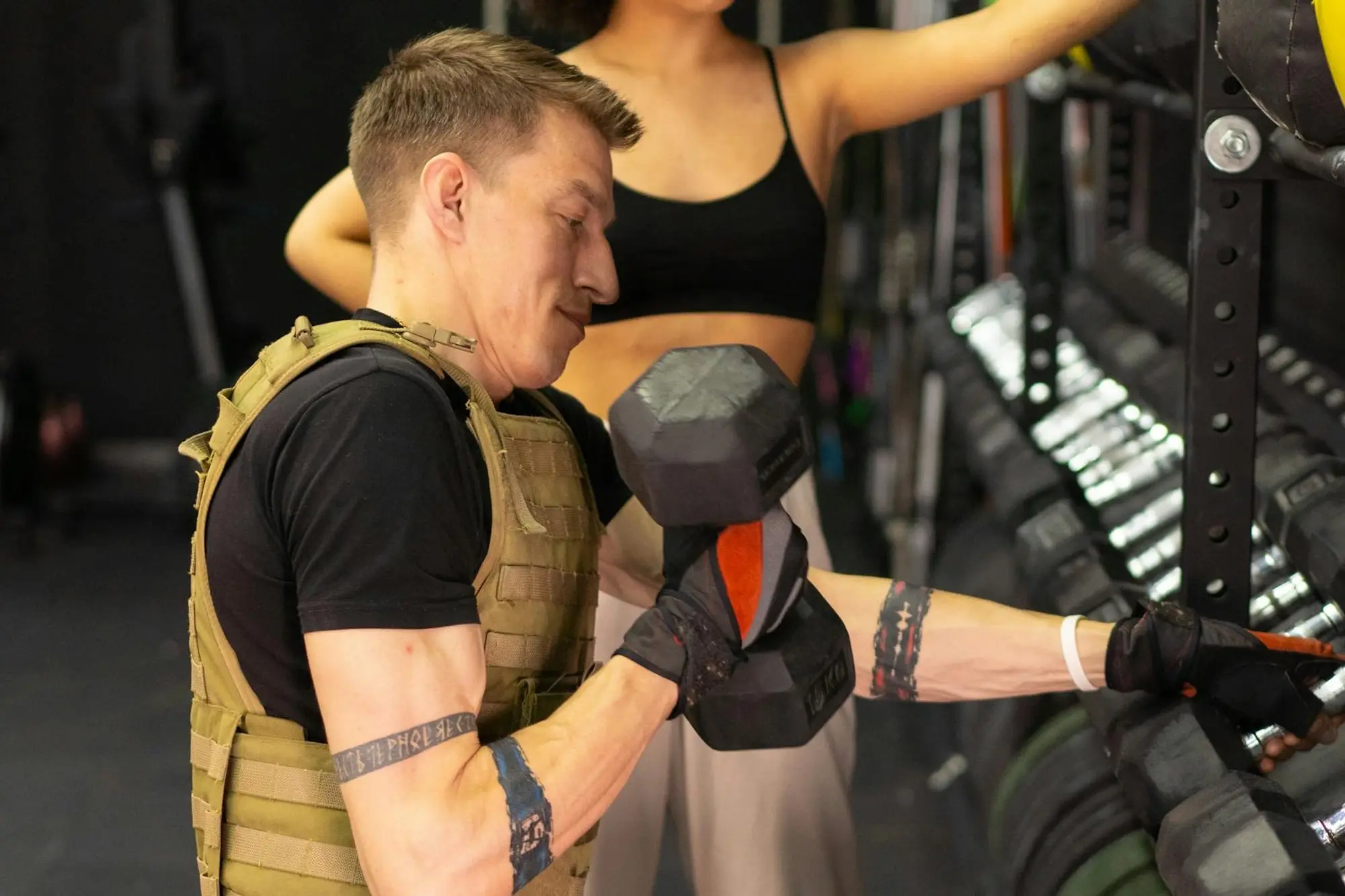
“Adding weight to bodyweight exercises is one of the most effective ways to increase intensity and build functional strength,” celebrity trainer Harley Pasternak told Shape magazine. The fitness expert, who has worked with stars like Jessica Simpson and Megan Thee Stallion, emphasizes that weighted vests offer a unique advantage over traditional weights by keeping hands free while challenging the entire body.
Weighted vests have become increasingly popular among female fitness enthusiasts, from CrossFit athletes to Pilates practitioners looking to intensify their workouts. According to the American Council on Exercise, adding external load through weighted vests can increase caloric burn by 12-15% during aerobic activities while improving bone density and functional strength.
Understanding Weighted Vest Benefits for Women
Research from the University of New Mexico shows that weighted vest training can significantly improve bone mineral density in postmenopausal women, making it particularly valuable for long-term health. The study found that participants who used weighted vests during walking exercises showed 1.5% greater bone density improvements compared to those who walked without additional weight.
Celebrity trainer Gunnar Peterson, who trains the Kardashian family and numerous professional athletes, advocates for weighted vests in functional training. According to Peterson’s interview with Women’s Health, weighted vests force the core to engage constantly, creating better stability and posture throughout daily activities.
The versatility of weighted vests makes them ideal for women’s varied fitness routines. Unlike barbells or dumbbells, weighted vests allow for natural movement patterns during activities like walking, running, bodyweight exercises, and even yoga modifications.
Key Features to Consider When Choosing a Weighted Vest
Adjustable weight systems prove essential for progressive training. The best weighted vests for women typically offer weight ranges from 8-20 pounds, allowing gradual increases as strength improves. According to fitness equipment reviews in Prevention magazine, vests with removable weight packets provide the most flexibility for different exercise types.
Fit and comfort rank as primary concerns for female users. Research published in the Journal of Sports Sciences indicates that poorly fitting weighted vests can alter running mechanics and increase injury risk. Look for vests with adjustable torso straps and chest panels designed for women’s anatomy.
Material quality and breathability become crucial during intense workouts. Leading fitness brands like Hyperwear and CAP Barbell use moisture-wicking fabrics and mesh panels to prevent overheating during extended training sessions.

What the Experts Recommend
Celebrity trainer Tracy Anderson, known for her work with Gwyneth Paltrow and Jennifer Lopez, specifically recommends weighted vests for her signature bodyweight sequences. According to Anderson’s methodology published in Vogue, the even weight distribution helps maintain proper form while increasing resistance.
Top fitness professionals consistently recommend these weighted vest features:
- Adjustable weight range of 10-20 pounds for progressive overload
- Women-specific sizing with adjustable chest and waist straps
- Removable weight packets for exercise-specific customization
- Breathable mesh construction to prevent overheating
- Secure closure systems that won’t shift during movement
- Reflective elements for outdoor training visibility
- Machine-washable materials for easy maintenance
Don Saladino, personal trainer to Blake Lively and Ryan Reynolds, emphasizes the importance of proper weight progression. In his interview with Men’s Health, Saladino noted that women should start with 8-10% of their body weight and gradually increase by 2-3 pounds every 2-3 weeks.
Top-Rated Weighted Vests Based on Professional Testing
Professional trainers and fitness equipment reviewers have extensively tested weighted vests across multiple categories. According to comprehensive reviews from Good Housekeeping and Shape magazine, these models consistently rank highest for women’s specific needs.
| Brand/Model | Weight Range | Key Features | Best For |
|---|---|---|---|
| Hyperwear Hyper Vest PRO | 10-20 lbs | Thin profile, women’s cut | Running, cardio |
| CAP Barbell Adjustable | 12-20 lbs | Removable weights, budget-friendly | Strength training |
| Weighted Evolution Body Vest | 8-16 lbs | Ultra-comfortable fit | Beginners, walking |
The Hyperwear Hyper Vest PRO consistently receives top ratings from fitness professionals for its slim profile and women-specific design. According to testing by Runner’s World, this vest maintains comfort during runs up to 10 miles without causing chafing or movement restriction.
CrossFit trainers particularly favor the CAP Barbell model for its durability during high-intensity workouts. The removable weight system allows quick adjustments between different exercise phases, making it ideal for circuit training and functional fitness routines.

Incorporating Weighted Vests into Your Fitness Routine
Celebrity trainer Jillian Michaels, former star of “The Biggest Loser,” advocates for weighted vest integration in her published workout programs. According to Michaels’ training philosophy outlined in Prevention, weighted vests should complement existing routines rather than replace traditional strength training entirely.
Progressive integration proves crucial for safety and effectiveness. Fitness experts recommend starting with 10-minute sessions twice weekly, gradually increasing duration and frequency as the body adapts. Research from the American College of Sports Medicine suggests limiting weighted vest training to 3-4 sessions per week to prevent overuse injuries.
Exercise modifications become necessary when adding weighted resistance. According to biomechanical studies published in the Journal of Strength and Conditioning Research, weighted vests can alter movement patterns, requiring attention to form and technique throughout all exercises.
Popular weighted vest applications include walking, bodyweight circuits, Pilates modifications, and functional training movements. Nike Training Club has incorporated weighted vest options into several of their premium workout programs, recognizing the growing demand for this training method.
Safety Considerations and Best Practices
Medical professionals emphasize proper progression when introducing weighted vest training. According to the Mayo Clinic’s exercise guidelines, women with joint issues or osteoporosis should consult healthcare providers before beginning weighted vest programs.
Proper warm-up protocols become even more critical when training with additional weight. Sports medicine research indicates that weighted vest training requires extended warm-up periods to prepare joints and muscles for increased load demands.
Load management prevents overuse injuries and ensures consistent progress. The National Academy of Sports Medicine recommends starting with weights representing 5-8% of body weight for cardiovascular activities and 8-12% for strength-focused training.
Regular form assessment helps maintain exercise quality under additional load. Many fitness professionals recommend recording workout videos or working with qualified trainers when first incorporating weighted vests into training routines.
FAQ Section:
How much weight should beginners start with in a weighted vest?
Begin with 5-8% of your body weight for cardiovascular activities and 8-10% for strength training. For a 140-pound woman, this means starting with 7-11 pounds and progressing gradually every 2-3 weeks.
Can weighted vests help with bone density in women?
Yes, research from the University of New Mexico demonstrates that weighted vest training can improve bone mineral density by 1.5% compared to unweighted exercise, making it particularly beneficial for women over 30.
Are weighted vests safe for running and high-impact activities?
Weighted vests can be safe for running when properly fitted and gradually introduced. Start with walking before progressing to jogging, and ensure the vest doesn’t exceed 10% of your body weight for high-impact activities.
How often should women train with weighted vests?
Limit weighted vest training to 3-4 sessions per week, allowing recovery days between intense sessions. This frequency prevents overuse injuries while maximizing strength and conditioning benefits.
You might also like