
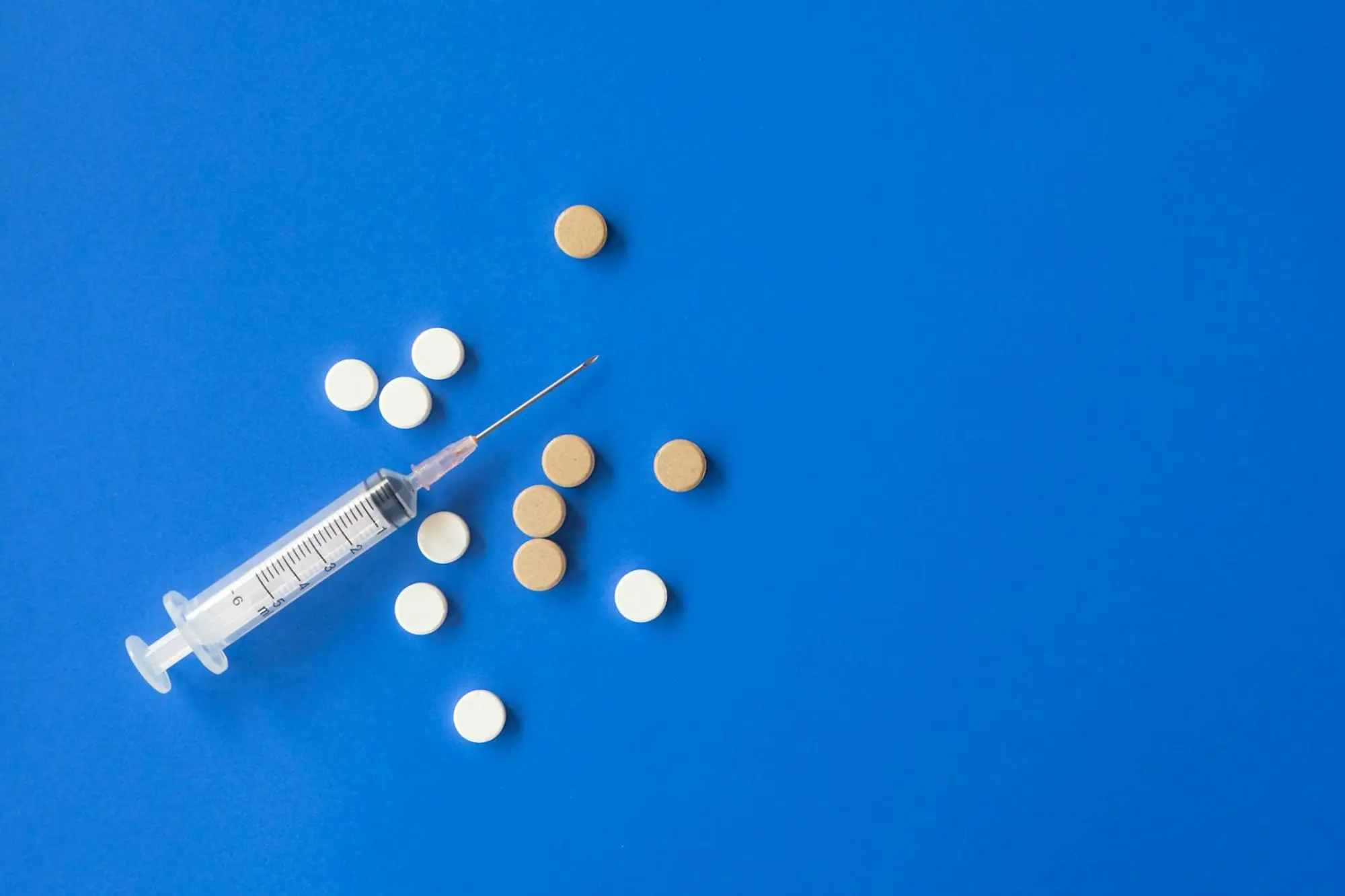
When Elon Musk appeared noticeably slimmer at a 2022 Met Gala afterparty, Twitter exploded with speculation about his transformation. The tech billionaire later revealed he’d been using Wegovy, a weekly injection that had helped him shed significant weight. His candid admission sparked a global conversation about the new generation of weight loss treatments flooding the market.
But Musk’s journey highlights a dilemma facing millions today: with both pills and injections promising dramatic results, which path actually delivers? The answer isn’t as straightforward as you might think, and the choice could dramatically impact your health, wallet, and long-term success.
The celebrity endorsements keep rolling in, from Kim Kardashian’s rumored use of weight loss injections to Rebel Wilson’s documented transformation journey. Yet behind the glamorous before-and-after photos lies a complex medical landscape that deserves a closer look.
The Science Behind Weight Loss Pills vs. Injections
Traditional weight loss pills have dominated the market for decades, but recent breakthroughs in injectable medications have revolutionized the field. According to research published in The New England Journal of Medicine, participants using semaglutide injections (like Ozempic and Wegovy) lost an average of 15% of their body weight over 68 weeks.
Weight loss pills typically work through appetite suppression, fat absorption blocking, or metabolism boosting. Popular FDA-approved options include orlistat (Alli), phentermine, and newer combinations like naltrexone-bupropion (Contrave). These medications generally produce more modest results, with users losing 5-10% of their starting weight.
Injectable treatments operate differently, mimicking hormones that regulate blood sugar and slow gastric emptying. This creates a powerful feeling of fullness that can last for days. Celebrity trainer Harley Pasternak, who has worked with Megan Fox and Jessica Simpson, notes that his clients using prescription injections report significantly reduced food cravings compared to those taking oral medications.

The mechanism matters because it affects sustainability. A 2024 study found that people using GLP-1 injections maintained their weight loss better than those using traditional pills, though both groups regained some weight after discontinuing treatment.
Real-World Results: What Celebrities and Patients Experience
Rebel Wilson’s weight loss journey provides insight into the pill approach. The actress documented using a combination of diet changes, exercise, and what she described as “pharmaceutical assistance” during her “Year of Health” in 2020. While she never specified exact medications, her gradual 77-pound transformation over 12 months aligns with typical pill-based results.
Contrast this with the rapid changes seen in celebrities rumored to use injections. Sharon Osbourne openly discussed her experience with Ozempic, revealing she lost 42 pounds but had to stop due to side effects. Her experience illustrates both the power and potential drawbacks of injectable treatments.
According to People magazine, Hollywood trainer Gunnar Peterson has observed distinct patterns between clients using different approaches. Those on injections often see faster initial results but may struggle more with lifestyle integration, while pill users tend to develop more sustainable habits alongside their medication.
The side effect profiles differ significantly too:
- Pills: Digestive issues, dry mouth, insomnia, increased heart rate
- Injections: Nausea, vomiting, diarrhea, potential pancreatitis
- Both: Mood changes, fatigue, hair thinning (temporary)
- Pills only: Potential dependency issues with stimulant-based options
- Injections only: Injection site reactions, gastroparesis risk
- Cost considerations: Pills generally $50-200/month, injections $800-1,500/month
- Convenience factors: Pills daily, injections weekly or monthly
The Cost Reality Check
Here’s where the conversation gets uncomfortable. Elon Musk can afford $1,200 monthly Wegovy treatments without blinking, but most people face serious financial considerations. Insurance coverage remains spotty, with many plans covering pills but not injections unless you have diabetes.
Tracy Anderson, who has trained Gwyneth Paltrow and Madonna, emphasizes that sustainable weight loss requires long-term commitment regardless of pharmaceutical assistance. The question becomes whether you can maintain your chosen treatment financially for months or years.
Generic versions of older weight loss pills cost as little as $30 monthly, while brand-name injections rarely drop below $800 even with manufacturer coupons. This price gap significantly impacts who can access different treatment options.

According to Shape magazine, the total cost of weight loss treatment should include medical monitoring, potential side effect management, and the inevitable plateau-breaking strategies that most people need after 6-12 months.
Making the Right Choice for Your Situation
The decision between pills and injections isn’t just medical—it’s deeply personal. Dr. Fatima Cody Stanford, an obesity medicine physician at Massachusetts General Hospital, told Women’s Health that the best treatment is the one patients can stick with long-term.
Consider your lifestyle honestly. Pills require daily commitment and often work best with structured meal timing. Injections offer convenience but may produce side effects that interfere with work or social activities. Some people find the weekly injection ritual easier to remember than daily pills.
Your medical history matters enormously. People with eating disorder histories may respond differently to treatments that dramatically suppress appetite. Those with diabetes might find injections provide dual benefits, while others prefer the psychological simplicity of taking a daily pill.
Comparison Summary
| Factor | Weight Loss Pills | Injectable Medications |
|---|---|---|
| Average Weight Loss | 5-10% body weight | 10-20% body weight |
| Time to See Results | 4-8 weeks | 2-4 weeks |
| Monthly Cost | $30-200 | $800-1,500 |
| Side Effect Severity | Moderate | Moderate to Severe |
| Long-term Data | Extensive (20+ years) | Limited (5-10 years) |
| Insurance Coverage | Often covered | Rarely covered |
Both options require medical supervision and work best combined with lifestyle changes. The celebrities who succeed long-term—like Adele with her gradual transformation—typically use medication as part of a comprehensive approach including nutrition counseling and regular exercise.
The choice ultimately comes down to your individual circumstances, risk tolerance, and financial situation. Neither option is inherently superior; they’re different tools suited for different people and situations.
Remember that behind every dramatic celebrity transformation lies months of consistent effort, medical monitoring, and often multiple treatment adjustments. The medication is rarely the whole story, but it can be a powerful chapter in your health journey when chosen thoughtfully and used responsibly.
Are weight loss injections safer than pills?
Both have FDA approval and safety profiles, but injections have newer long-term data. The safety depends more on your individual health conditions and proper medical supervision than the delivery method.
How long do I need to take weight loss medication?
Most people require 6-12 months minimum to see substantial results, with many staying on treatment longer. Stopping typically leads to some weight regain regardless of whether you used pills or injections.
Can I switch from pills to injections or vice versa?
Yes, under medical supervision. Many doctors start with pills due to cost and move to injections if results are insufficient. The transition requires careful monitoring and dosage adjustments.
Do celebrities really use these medications or just claim they do?
While some are open about pharmaceutical assistance, others likely use treatments privately. The dramatic transformations often seen suggest medical intervention beyond diet and exercise alone.
You might also like


 Bath & Body Works x Vera Bradley’s peachy collaboration is selling out fast