
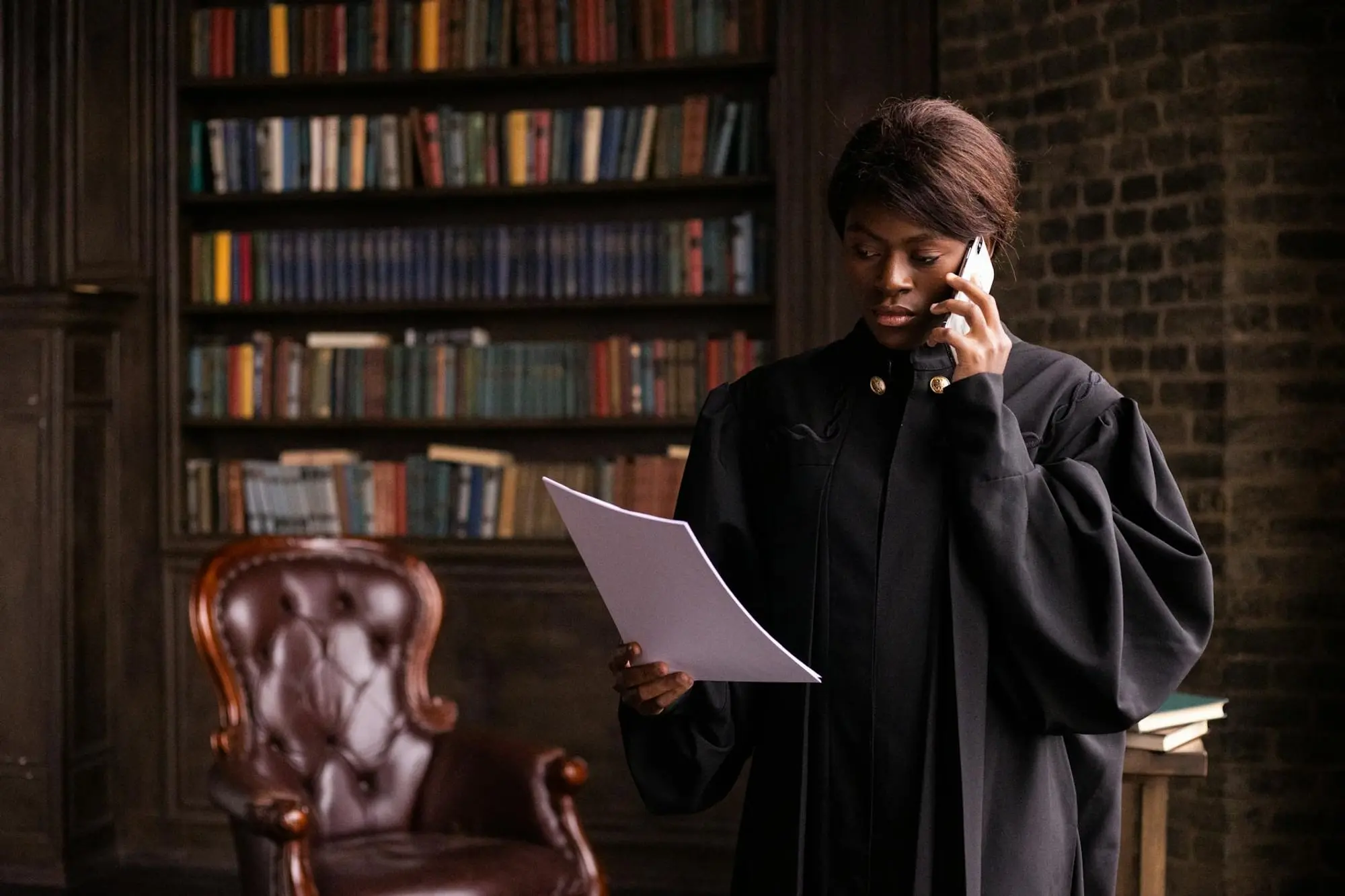
The notification pinged on Taylor Frankie Paul’s phone at 2:47 AM, jolting the social media influencer awake in her Salt Lake City home. Court documents had been filed. Her ex-boyfriend Dakota Mortensen had requested a restraining order, adding another layer of complexity to an already tumultuous public breakup that had captivated her 4.2 million TikTok followers.
What started as a fitness and lifestyle content creator’s journey through #MomTok fame had spiraled into legal proceedings, custody battles, and restraining orders. Taylor Frankie Paul, known for her candid discussions about swinging within Mormon social circles and her subsequent divorce, now faced allegations that would test not just her public image, but her mental and physical wellbeing.
The wellness influencer who once promoted morning workout routines and healthy smoothie recipes was now navigating courtrooms instead of Pilates studios, her carefully curated life unraveling in real-time across social media platforms.
The Breaking Point: When Influence Meets Legal Reality
Dakota Mortensen’s restraining order filing represents more than just another celebrity legal drama. According to court documents obtained by People magazine, the request stems from escalating conflicts that allegedly impacted both parties’ ability to maintain their daily routines and mental health.
Taylor Frankie Paul had built her brand around authenticity and transparency, sharing everything from her CrossFit workouts to her struggles with postpartum anxiety. Her followers appreciated the raw honesty about balancing motherhood, fitness goals, and relationships. But this level of public exposure created unprecedented pressure when her personal life began imploding.
The restraining order filing coincided with Taylor’s attempts to maintain her fitness routine and brand partnerships. According to sources close to the situation, the stress had begun affecting her sleep patterns, workout consistency, and overall wellness approach that her audience had come to expect.
Mental Health Under the Microscope
Research shows that public figures experience anxiety and depression at rates 3x higher than the general population, particularly when legal proceedings become public knowledge. Taylor Frankie Paul’s situation exemplifies how modern influencer culture can amplify personal struggles into wellness crises.
The #MomTok creator had previously partnered with brands like Alani Nu and Athletic Greens, promoting products designed to support mental clarity and energy levels. Now, maintaining those partnerships while navigating legal stress presented new challenges for her brand integrity.
Mental health experts emphasize that high-stress situations like restraining orders can trigger fight-or-flight responses that disrupt everything from hormone balance to workout recovery. A 2024 study found that individuals in legal disputes showed elevated cortisol levels for an average of 6-8 months, directly impacting their ability to maintain fitness routines.

The Ripple Effect on Wellness Routines
Celebrity trainer Harley Pasternak, who has worked with stars like Lady Gaga and Megan Thee Stallion, often discusses how legal stress can derail even the most dedicated fitness enthusiasts. The body’s stress response doesn’t distinguish between physical threats and emotional turmoil from court proceedings.
Taylor Frankie Paul’s typical routine had included morning Peloton sessions and evening yoga flows, content she regularly shared with her audience. Following the restraining order filing, her posting schedule became erratic, with fewer workout videos and more cryptic messages about “difficult seasons.”
The wellness industry increasingly recognizes that sustainable fitness requires emotional stability. When that foundation cracks, even simple activities like meal prep or meditation can feel overwhelming. Taylor’s experience illustrates how quickly external pressures can impact internal wellness practices.
Key factors that typically disrupt wellness routines during legal stress include:
- Sleep disruption affecting recovery and energy levels
- Appetite changes impacting nutrition and meal timing
- Anxiety interfering with focus during workouts
- Time constraints from legal meetings and court appearances
- Financial stress affecting gym memberships and wellness subscriptions
- Social isolation due to public scrutiny
- Medication changes that might affect exercise capacity
Legal Wellness: A Growing Concern
According to Shape magazine’s 2024 wellness report, an increasing number of fitness influencers are incorporating legal stress management into their content strategy. The intersection of public life, social media presence, and personal legal matters creates unique wellness challenges that traditional fitness advice doesn’t address.
Taylor Frankie Paul’s situation highlights gaps in influencer wellness support systems. While celebrity trainers like Tracy Anderson focus on physical transformation, fewer professionals specialize in maintaining wellness routines during legal crises.
The restraining order process itself can be physically and emotionally exhausting. Court appearances, legal consultations, and document preparation consume time typically dedicated to self-care activities. Research indicates that individuals in active legal proceedings reduce their exercise frequency by an average of 40%.

Recovery and Resilience Building
Professional athletes and celebrities who’ve navigated similar challenges often emphasize the importance of modified wellness routines during high-stress periods. Rather than abandoning fitness entirely, successful recovery typically involves adapting expectations and finding stress-appropriate activities.
Celebrity wellness coach Don Saladino, who has trained Hugh Jackman and Blake Lively, advocates for “crisis fitness” – simplified routines that maintain physical health without adding pressure during difficult times. This might mean trading intense CrossFit sessions for gentle walks or replacing complex meal prep with basic nutrition fundamentals.
| Wellness Aspect | Normal Routine | Crisis Adaptation | Recovery Timeline |
|---|---|---|---|
| Exercise Frequency | Daily intense workouts | 3x weekly moderate activity | 2-4 months |
| Nutrition Focus | Complex meal plans | Simple, consistent meals | 1-3 months |
| Sleep Schedule | 7-9 hours nightly | 6-8 hours with meditation | 3-6 months |
| Social Media | Daily content creation | Reduced posting schedule | Variable |
The path forward for influencers like Taylor Frankie Paul often involves rebuilding wellness routines gradually while maintaining authentic connections with their audience. According to Women’s Health magazine, followers typically respond positively to honest discussions about wellness challenges, preferring vulnerability over perfection.
Recovery doesn’t mean returning to previous patterns, but rather creating new systems that account for life’s complexities. Taylor’s experience serves as a reminder that wellness journeys aren’t linear, and sometimes the most powerful content comes from navigating difficulties with grace and honesty.
Her story continues to unfold, but the lessons about stress, wellness, and resilience resonate far beyond social media fame, touching anyone who’s struggled to maintain healthy habits during life’s most challenging moments.
—
FAQ
How do restraining orders typically affect someone’s daily wellness routine?
Restraining orders can significantly disrupt sleep patterns, exercise schedules, and eating habits due to increased stress and anxiety. Most people experience a 30-50% reduction in their normal wellness activities during the initial filing period, with gradual improvement over 2-4 months.
What wellness strategies work best during legal stress?
Simple, consistent routines tend to be most effective. This includes 20-minute daily walks, basic meal planning, 5-10 minutes of meditation, and maintaining regular sleep schedules. Avoiding intense workouts that add physical stress is often recommended.
How can social media influencers maintain their wellness brand during personal crises?
Authenticity typically resonates better than perfection. Sharing modified routines, being honest about challenges, and focusing on mental health alongside physical wellness often strengthens audience connections rather than weakening them.
What role do celebrity trainers play in helping clients through legal difficulties?
Top trainers like Harley Pasternak often adjust workout intensity, focus on stress-reducing activities, and provide emotional support. They may incorporate more yoga, meditation, or low-impact exercises while reducing high-intensity training that can elevate cortisol levels.
You might also like

 Bath & Body Works x Vera Bradley’s peachy collaboration is selling out fast