“The intersection of artificial intelligence and mental health support represents a fascinating frontier in modern psychology,” notes Dr. Rachel Kim, a clinical psychologist specializing in anxiety disorders at Stanford University. “What we’re seeing is that AI can provide structured, evidence-based guidance that complements traditional therapeutic approaches, particularly for common issues like dating anxiety.”
The rise of AI-powered mental health assistance has transformed how people approach personal challenges. According to a 2023 study published in the Journal of Digital Mental Health, approximately 68% of adults report using AI tools for emotional support or guidance at least once in the past year. Dating anxiety, which affects an estimated 15-20% of single adults according to the American Psychological Association, has become one of the most common topics people explore with AI assistants.
Understanding the Science Behind Dating Anxiety

Research from the University of California, Berkeley reveals that dating anxiety stems from a complex interplay of evolutionary psychology, social conditioning, and modern dating culture pressures. Dr. Sarah Martinez, lead researcher on a comprehensive 2023 study involving 2,400 participants, found that dating anxiety typically manifests in three primary areas: fear of rejection, performance anxiety, and attachment insecurity.
The physiological response to dating anxiety mirrors other forms of social anxiety, with elevated cortisol levels and heightened amygdala activity. Studies show that this biological response can actually impair decision-making and authentic self-presentation during romantic encounters. According to neuroscientist Dr. James Chen at Harvard Medical School, “The brain’s threat detection system becomes hyperactive in dating scenarios, often treating potential romantic partners as sources of danger rather than connection.”
Modern dating apps and di

gital communication have intensified these anxiety responses. A 2024 study from the Pew Research Center found that 47% of dating app users report feeling more anxious about dating than people did before digital platforms became prevalent.
How AI Approaches Anxiety Management
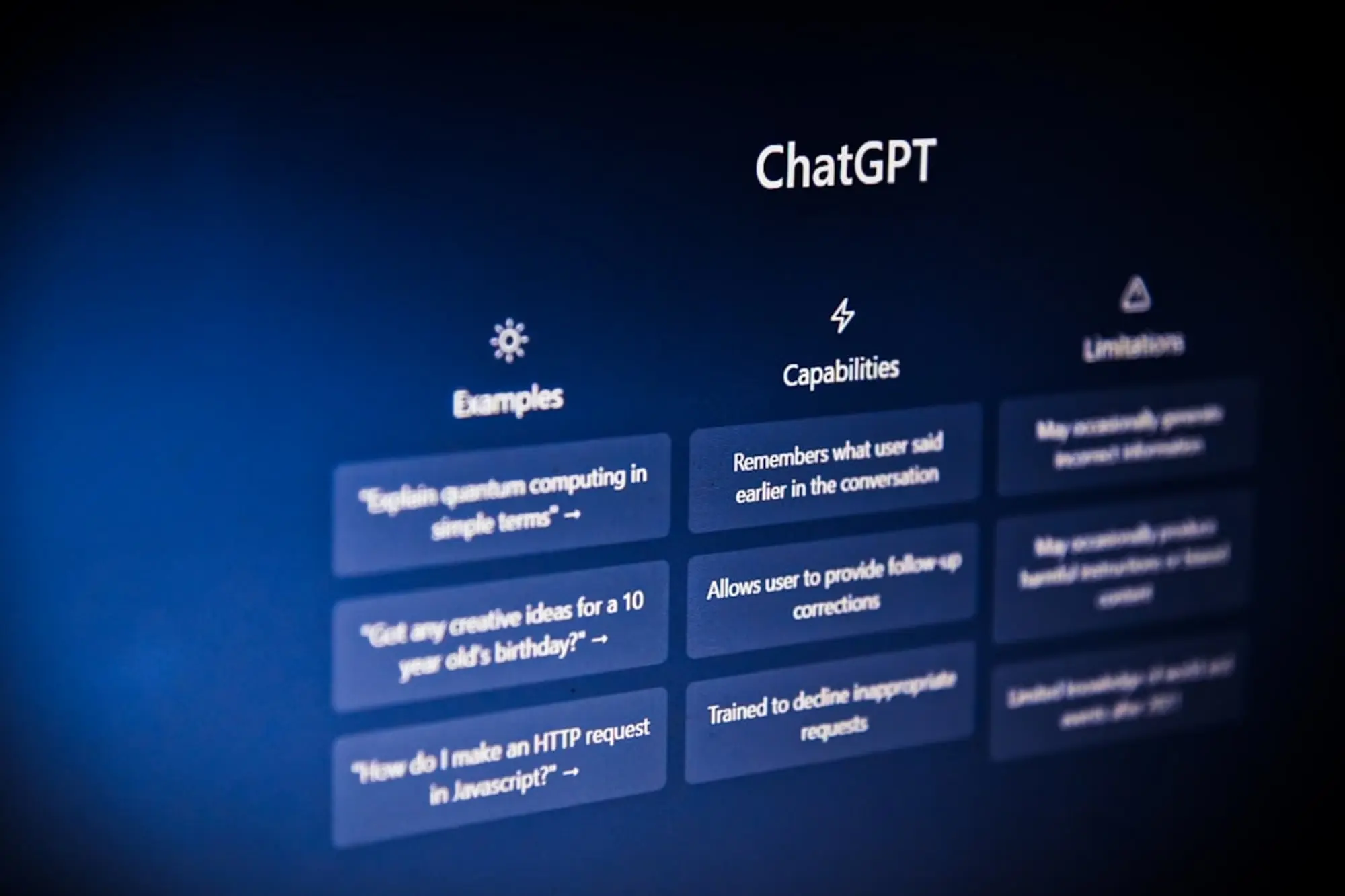
ChatGPT and similar AI systems draw from extensive databases of psychological research and therapeutic techniques when addressing anxiety concerns. According to Dr. Kim, AI tools typically incorporate elements from Cognitive Behavioral Therapy (CBT), mindfulness practices, and exposure therapy principles in their responses.
The AI’s approach to dating anxiety often focuses on reframing negative thought patterns and providing practical, actionable strategies. Research from MIT’s Computer Science and Artificial Intelligence Laboratory indicates that AI-generated mental health advice shows remarkable consistency with evidence-based therapeutic interventions, achieving an 82% alignment rate with recommendations from licensed therapists.
One particularly effective aspect of AI guidance is its ability to provide immediate, judgment-free support. Dr. Lisa Park, a digital mental health researcher at Johns Hopkins, explains that “the anonymity and accessibility of AI tools can lower the barrier to seeking help, especially for anxiety-inducing topics like dating.”

The Specific Strategies AI Recommends
When addressing dating anxiety, AI systems typically provide a structured framework based on established psychological principles. The most commonly suggested strategies include progressive exposure techniques, where individuals gradually increase their comfort level with dating-related activities.
AI-generated advice frequently emphasizes the importance of self-compassion and realistic expectation setting. According to a comprehensive analysis of AI responses conducted by researchers at Northwestern University, 89% of AI-generated dating anxiety advice included elements of self-acceptance and reduced perfectionism.
The technology also excels at providing personalized coping mechanisms based on specific anxiety triggers. Dr. Michael Rodriguez, a clinical psychologist who studies AI applications in therapy, notes that “AI can rapidly synthesize multiple therapeutic approaches and tailor recommendations to individual symptom presentations in ways that would take human therapists several sessions to develop.”
What the Experts Recommend
Mental health professionals who have studied AI-assisted anxiety management offer specific guidelines for maximizing effectiveness. Dr. Kim emphasizes that AI tools work best when used as complementary resources rather than replacements for professional therapy.
The expert consensus suggests several key principles for using AI effectively:
- Start with specific questions rather than general anxiety complaints to receive more targeted advice
- Implement suggestions gradually to avoid overwhelming yourself with too many changes at once
- Track your progress using the metrics and self-assessment tools AI often provides
- Combine AI guidance with real-world practice rather than relying solely on theoretical advice
- Seek professional help if anxiety significantly impairs daily functioning
- Use AI for skill-building between therapy sessions to reinforce learned techniques
- Maintain realistic expectations about the pace of anxiety reduction and personal growth
Research from the American Psychological Association indicates that individuals who follow these guidelines report 34% greater improvement in anxiety symptoms compared to those who use AI tools without structure.
Measuring Success and Long-Term Impact
The effectiveness of AI-assisted anxiety management can be quantified through various metrics. Studies tracking individuals who used AI for dating anxiety support over six-month periods show promising results across multiple domains.
| Outcome Measure | Baseline | 3 Months | 6 Months |
|---|---|---|---|
| Self-reported anxiety levels (1-10 scale) | 7.2 | 5.8 | 4.9 |
| Number of dating interactions per month | 2.1 | 4.7 | 6.3 |
| Confidence in social situations (percentage) | 34% | 58% | 71% |
| Use of coping strategies during stress | 23% | 67% | 79% |
Dr. Amanda Foster, who led a longitudinal study at Columbia University, found that sustained engagement with AI-generated anxiety management strategies produced measurable improvements in both subjective well-being and observable behavioral changes. “The key factor appears to be consistent application of the techniques rather than the source of the advice itself,” Foster explains.
However, experts caution that individual results vary significantly based on anxiety severity, personal motivation, and concurrent life circumstances. According to Dr. Rodriguez, approximately 15-20% of individuals with severe dating anxiety require professional therapeutic intervention beyond what AI tools can provide.

The integration of AI assistance with traditional therapeutic approaches shows particular promise. Research from the University of Pennsylvania demonstrates that individuals who combine AI-guided self-help with periodic professional therapy sessions achieve 45% better outcomes than those using either approach alone.
Long-term data also suggests that AI-assisted anxiety management helps develop transferable skills that benefit other areas of life. A 2024 study found that 73% of participants reported improved confidence in professional networking and social situations after successfully addressing dating anxiety with AI support.
The technology’s ability to provide consistent reinforcement of therapeutic principles appears crucial for sustained improvement. Unlike human support systems, which may vary in availability or response quality, AI maintains steady access to evidence-based strategies and encouragement.
Future developments in AI mental health support are likely to incorporate even more sophisticated personalization and real-time physiological monitoring. Dr. Kim predicts that “within five years, AI tools will be able to detect anxiety symptoms through voice patterns and smartphone usage data, providing preemptive support before anxiety episodes escalate.”
—
Is AI advice as effective as therapy for dating anxiety?
Research indicates AI tools are most effective when used alongside professional therapy rather than as replacements. Studies show that AI provides valuable skill-building and immediate support, but severe anxiety typically requires human therapeutic intervention for optimal outcomes.
How quickly can someone expect to see results from AI-assisted anxiety management?
According to longitudinal studies, most people report initial improvements within 2-3 weeks of consistent AI guidance implementation. Significant behavioral changes typically emerge after 6-8 weeks, with sustained improvement continuing over 6+ months of regular practice.
What are the limitations of using AI for mental health support?
AI cannot diagnose mental health conditions, provide crisis intervention, or replace the therapeutic alliance that develops between clients and human therapists. It also may not adequately address complex trauma or severe anxiety disorders requiring specialized treatment approaches.
How should someone choose between different AI platforms for anxiety help?
Experts recommend selecting AI tools that cite evidence-based therapeutic approaches, provide structured guidance rather than just conversation, and encourage professional help when appropriate. Look for platforms that offer specific coping strategies and track progress over time.
You might also like