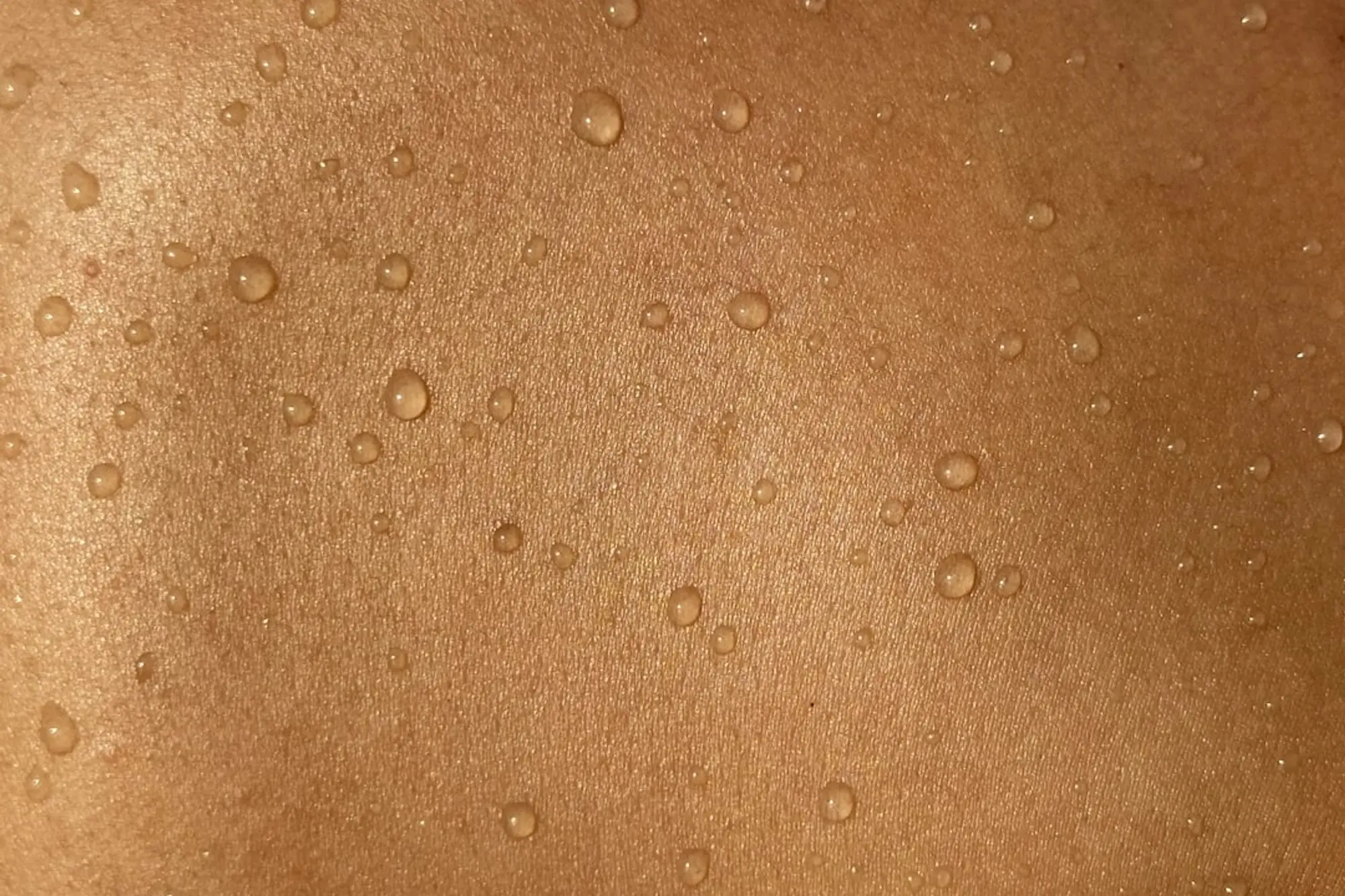
“When patients come to me with new skin rashes, their biggest concern is usually identifying what they’re dealing with,” says Dr. David Okonkwo, a board-certified dermatologist with over 15 years of experience treating skin conditions. “Visual identification is crucial, but it’s only the first step in proper diagnosis and treatment.”
According to the American Academy of Dermatology, skin rashes affect approximately 20% of Americans annually, with many cases going undiagnosed due to misidentification. Research from the Journal of Dermatological Science indicates that early visual recognition can significantly improve treatment outcomes and prevent complications.
Common Inflammatory Skin Conditions
Studies show that inflammatory rashes represent nearly 60% of all dermatological complaints in primary care settings. According to experts, these conditions typically present with characteristic patterns that can help distinguish between different diagnoses.
Eczema, or atopic dermatitis, affects an estimated 31.6 million Americans and typically appears as red, scaly patches with intense itching. Research from the National Eczema Association reveals that this condition most commonly develops in childhood but can persist into adulthood.
Contact dermatitis presents differently, usually appearing 24-48 hours after exposure to an irritant or allergen. A 2023 study published in Contact Dermatitis journal found that poison ivy, nickel, and fragrances account for 70% of allergic contact dermatitis cases.
Seborrheic dermatitis typically affects oil-rich areas of the body, presenting as yellowish, greasy scales. According to dermatological research, this condition affects approximately 6% of the population and is more common in individuals with compromised immune systems.
Infectious Skin Rashes and Warning Signs
Infectious rashes require immediate medical attention, according to infectious disease specialists. Research indicates that bacterial, viral, and fungal infections can present with distinct visual characteristics that aid in rapid identification.
Cellulitis appears as a spreading area of redness, warmth, and swelling, often with a clearly defined border. Studies from the American Journal of Emergency Medicine show that untreated cellulitis can lead to serious complications in 15-20% of cases.
Shingles (herpes zoster) presents as a painful, blistering rash following nerve pathways, typically on one side of the body. According to the Centers for Disease Control and Prevention, approximately 1 in 3 people will develop shingles during their lifetime.
Ringworm, despite its name being a fungal infection, appears as circular patches with raised, scaly borders and central clearing. Research shows that this highly contagious condition affects millions of Americans annually, particularly in warm, humid climates.

Autoimmune and Chronic Skin Conditions
According to rheumatology experts, autoimmune conditions often manifest with characteristic skin changes that can serve as early diagnostic clues. A 2023 study in the Journal of Autoimmune Diseases found that skin symptoms precede other systemic symptoms in 40% of autoimmune cases.
Psoriasis affects approximately 7.5 million Americans, presenting as thick, silvery-scaled patches typically on elbows, knees, and scalp. Research from the National Psoriasis Foundation indicates that this condition significantly impacts quality of life and is associated with increased cardiovascular risk.
Lupus can present with a distinctive butterfly-shaped rash across the cheeks and nose bridge. According to the Lupus Foundation of America, skin manifestations occur in approximately 70% of lupus patients and can fluctuate with disease activity.
Vitiligo appears as patches of depigmented skin and affects about 1% of the global population. Studies show that this autoimmune condition can have significant psychological impacts, particularly when it affects visible areas.
Emergency Rashes Requiring Immediate Care
Medical experts emphasize that certain rashes constitute dermatological emergencies requiring immediate medical intervention. According to emergency medicine research, delayed treatment of these conditions can result in permanent complications or death.
Stevens-Johnson Syndrome and Toxic Epidermal Necrolysis are severe drug reactions that initially present as widespread red patches before progressing to blistering and skin detachment. Research indicates these conditions have mortality rates ranging from 10-40% depending on severity.
Meningococcal rash appears as small purple or red spots that don’t fade when pressed with a glass. According to infectious disease specialists, this rash indicates potential meningitis and requires emergency treatment within hours.
Purpura presents as purple spots caused by bleeding under the skin and can indicate serious underlying conditions including blood disorders or vasculitis. Studies show that new-onset purpura requires immediate medical evaluation to rule out life-threatening causes.

What the Experts Recommend
Dr. Okonkwo and other dermatology specialists provide clear guidelines for managing new skin rashes. According to professional dermatology organizations, proper documentation and timely medical consultation are essential for optimal outcomes.
Medical experts recommend the following approach when evaluating new rashes:
- Document the timeline: Record when the rash first appeared and how it has changed
- Identify triggers: Note any new medications, foods, or environmental exposures
- Assess associated symptoms: Monitor for fever, pain, or systemic symptoms
- Photograph the rash: Take clear photos to track progression and share with healthcare providers
- Avoid self-treatment: Resist the urge to apply over-the-counter treatments before diagnosis
- Seek prompt care: Contact healthcare providers within 24-48 hours for new, concerning rashes
- Monitor for red flags: Watch for signs of infection, rapid spreading, or systemic symptoms
Research from dermatology practices shows that patients who follow these guidelines have significantly better outcomes and shorter resolution times compared to those who delay seeking care.
| Rash Type | Typical Timeline | Key Visual Features | Urgency Level |
|---|---|---|---|
| Eczema | Days to weeks | Red, scaly, itchy patches | Low to moderate |
| Cellulitis | Hours to days | Red, warm, spreading area | High |
| Drug reaction | Hours to days | Widespread red patches, possible blistering | High to emergency |
| Psoriasis | Weeks to months | Thick, silvery-scaled plaques | Low to moderate |
| Shingles | Days | Painful blisters following nerve distribution | Moderate to high |
According to treatment outcome studies, early intervention within the first 72 hours of symptom onset results in 40% faster resolution times and significantly reduced complication rates across all rash types.
Healthcare experts stress that while visual identification tools can be helpful, they should never replace professional medical evaluation. A 2023 survey of dermatologists found that misdiagnosis rates decrease by 60% when patients seek professional care rather than relying solely on self-diagnosis methods.
When should I see a doctor for a new rash?
Seek medical care within 24-48 hours for any new rash, especially if accompanied by fever, rapid spreading, or severe symptoms. Emergency care is needed for rashes with blistering, purple spots, or signs of infection.
Can I use over-the-counter treatments before seeing a doctor?
Medical experts recommend avoiding self-treatment until you have a proper diagnosis, as inappropriate treatments can worsen certain conditions or mask important diagnostic features that help healthcare providers identify the underlying cause.
How can I document my rash for my healthcare provider?
Take clear, well-lit photographs showing the entire affected area and close-up details. Record when it started, any triggers you noticed, and how it has changed over time. This documentation helps healthcare providers make accurate diagnoses.
Are online rash identification tools reliable?
While visual guides can be educational, research shows they should never replace professional medical evaluation. Studies indicate that accurate rash diagnosis requires consideration of multiple factors beyond appearance, including medical history and physical examination.
You might also like